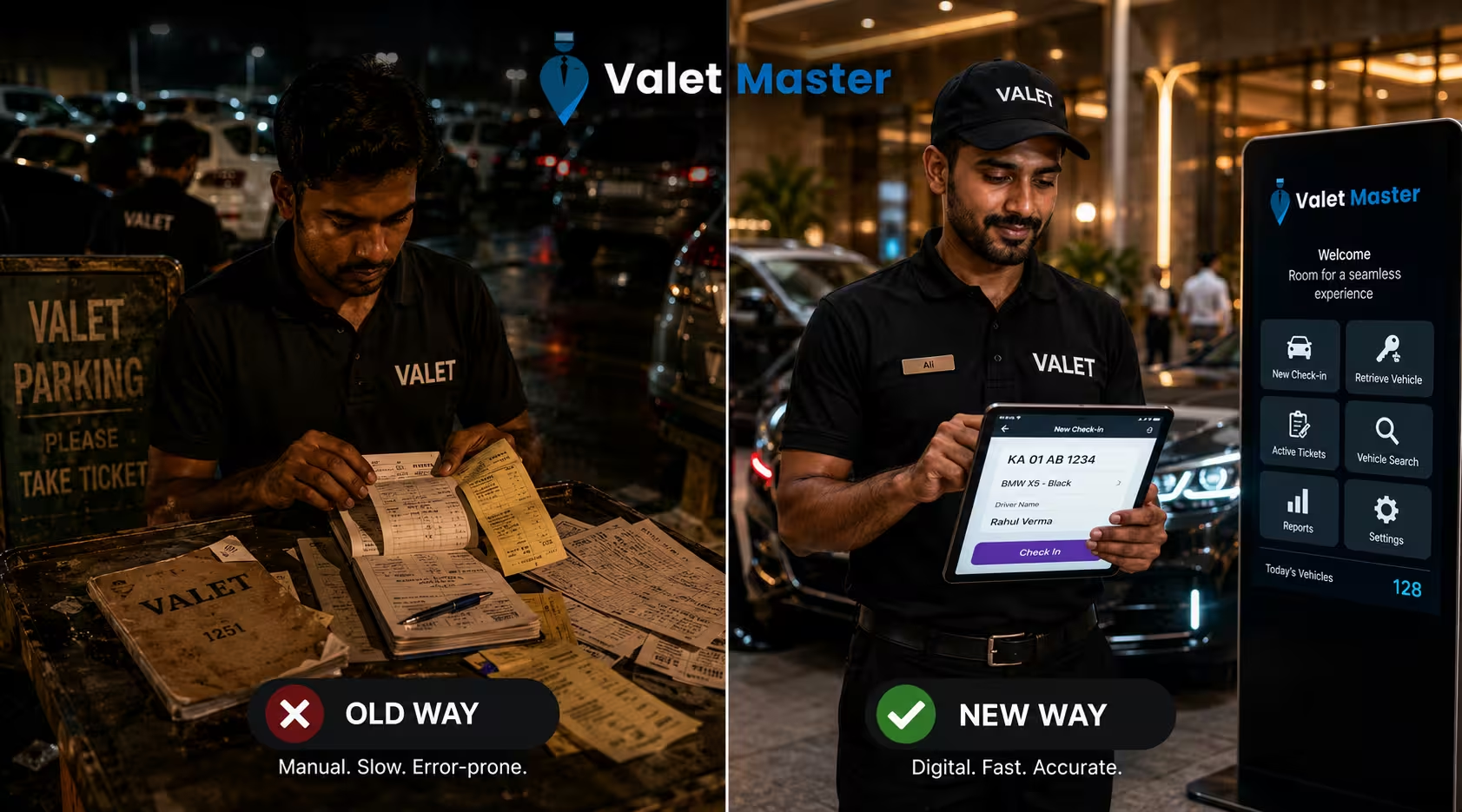
Manual vs Digital Valet Parking: Which Is Better?
Every valet operation runs on one of two systems: the traditional manual approach — paper tickets, walkie-talkies, and handwritten logs — or a digital system built to track vehicles, staff, and tickets automatically. Both can technically get a car parked and retrieved. The real question is which one holds up as your business grows, your volume increases, and guest expectations rise.
Here’s a side-by-side look at manual vs digital valet parking, and where each one actually stands up in practice.
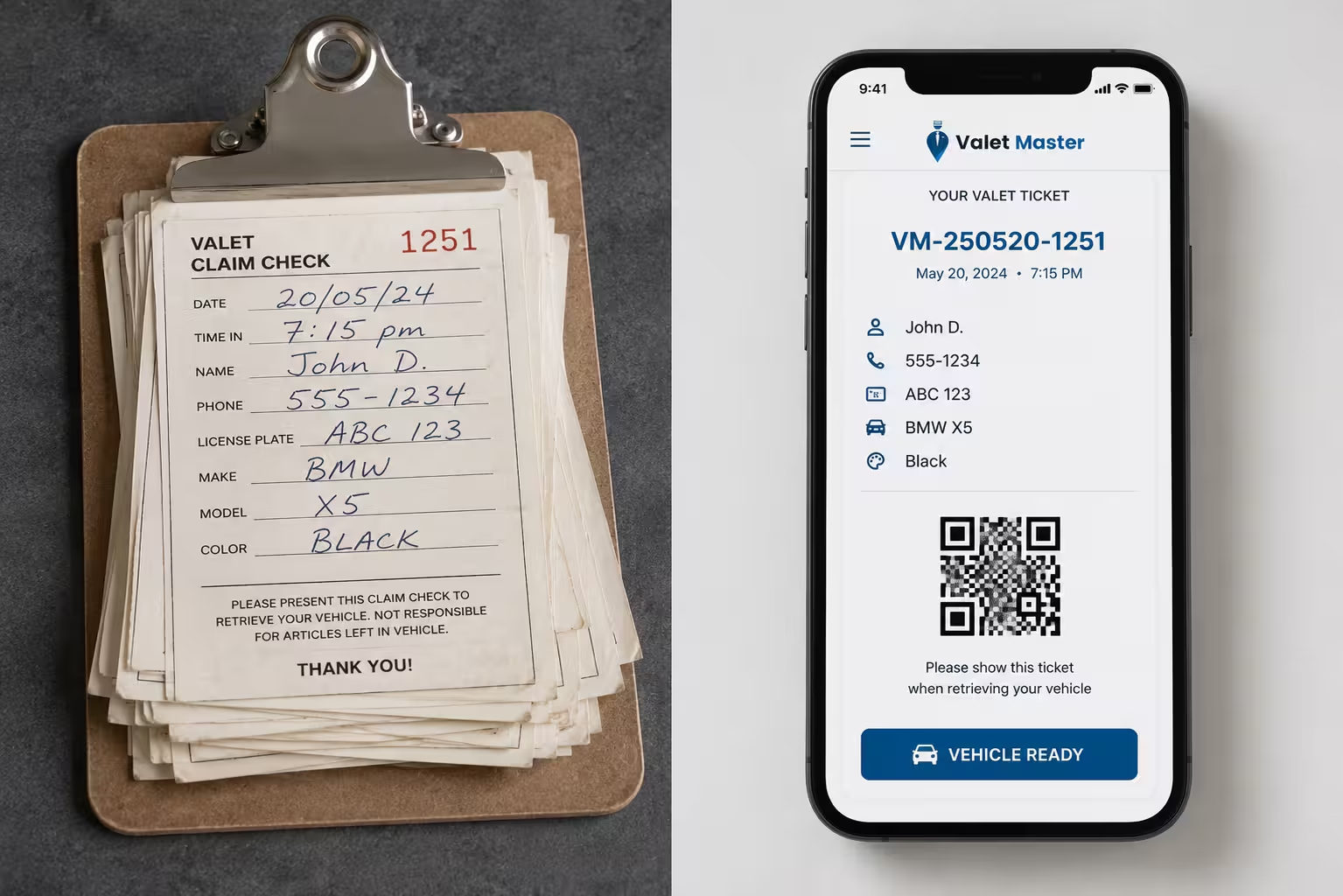
Manual vs Digital Valet Parking: Quick Comparison
| Factor | Manual Valet Parking | Digital Valet Parking |
|---|---|---|
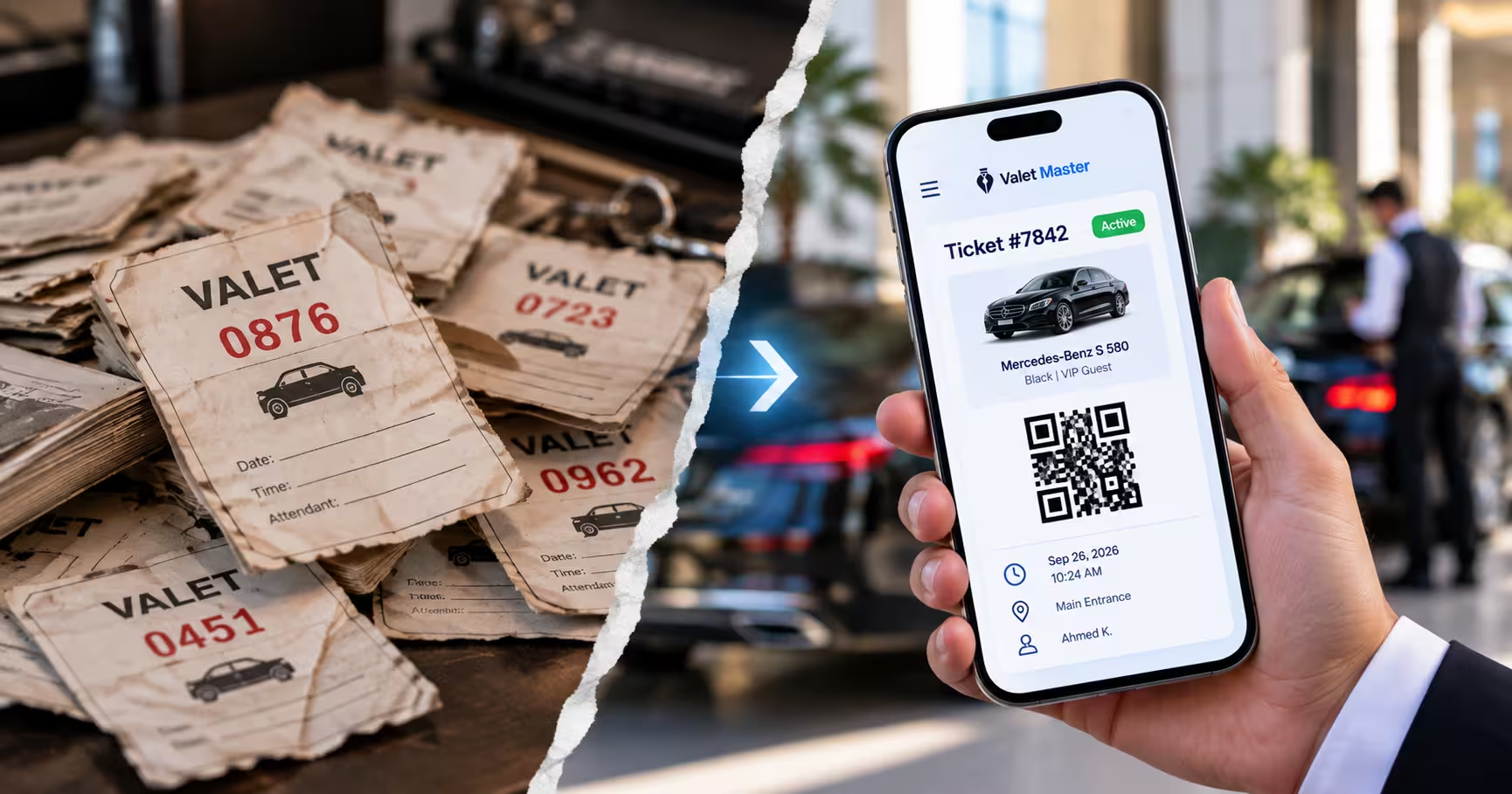
| Ticketing | Paper tickets, easy to lose or damage | Secure digital tickets with QR codes |
| Vehicle tracking | Relies on memory or physical search | Real-time location tracking |
| Retrieval speed | Slower, especially during peak hours | Faster with live vehicle location |
| Error rate | Higher — handwriting, misplaced tickets | Lower — automated, structured data entry |
| Customer communication | Manual, often delayed | Automated notifications |
| Reporting | Little to no data captured | Detailed analytics on every check-in and retrieval |
| Multi-location oversight | Difficult, requires separate manual logs per site | Centralized dashboard across all branches |
| Scalability | Breaks down as volume increases | Scales with business growth |
Where Manual Valet Parking Still Works
Manual systems aren’t without their place. For very small operations with low vehicle volume — a small restaurant with a handful of valet spots, for example — a simple paper-ticket process can function without major issues. The lower the volume, the smaller the margin for error, and the less noticeable any inefficiency becomes.
Where Manual Systems Start to Break Down
The problems with manual valet become obvious the moment volume increases. A busy weekend, a large event, or a hotel with back-to-back check-ins exposes exactly where paper-based systems struggle:
- Lost or duplicated tickets during rush periods
- Attendants wasting time searching for vehicles
- No visibility for managers into what’s actually happening on the ground
- Zero historical data to identify recurring problems
- Inconsistent service quality across shifts or locations
How Digital Valet Parking Solves These Problems
Structured, Searchable Records
Every vehicle checked in through a digital ticketing system creates a structured, searchable record instead of a handwritten note that can be lost or misread.
Live Location Tracking
Instead of relying on an attendant’s memory, digital systems track every vehicle’s parking zone in real time, cutting down search time significantly.
Centralized Oversight
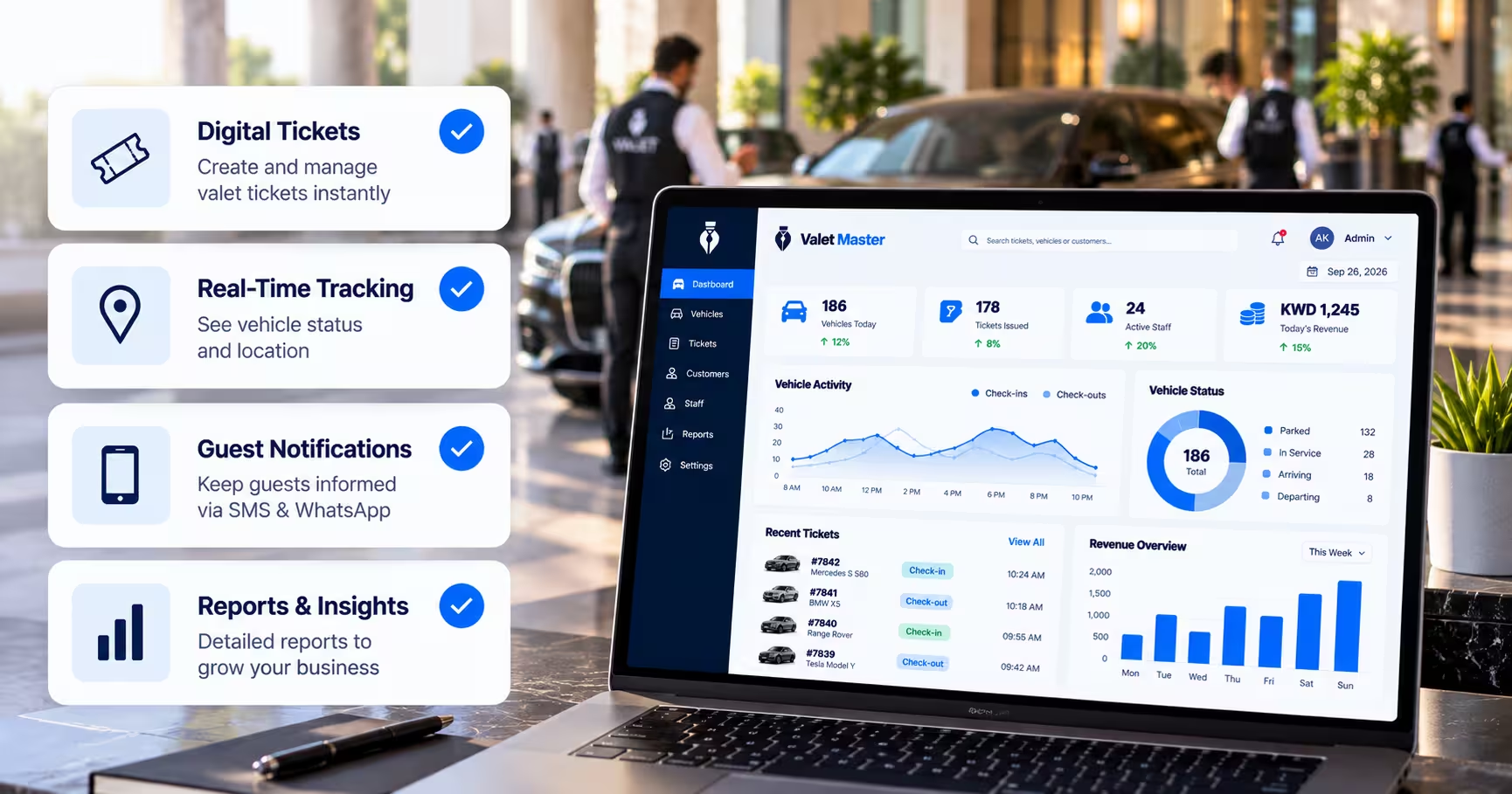
Managers get a real-time view of everything happening through live operations monitoring and a single cloud dashboard, rather than piecing together what happened after the fact.
Actual Performance Data
Digital systems generate reports and analytics on retrieval times, staff activity, and daily volume — data that simply doesn’t exist in a manual system.

Cost Considerations
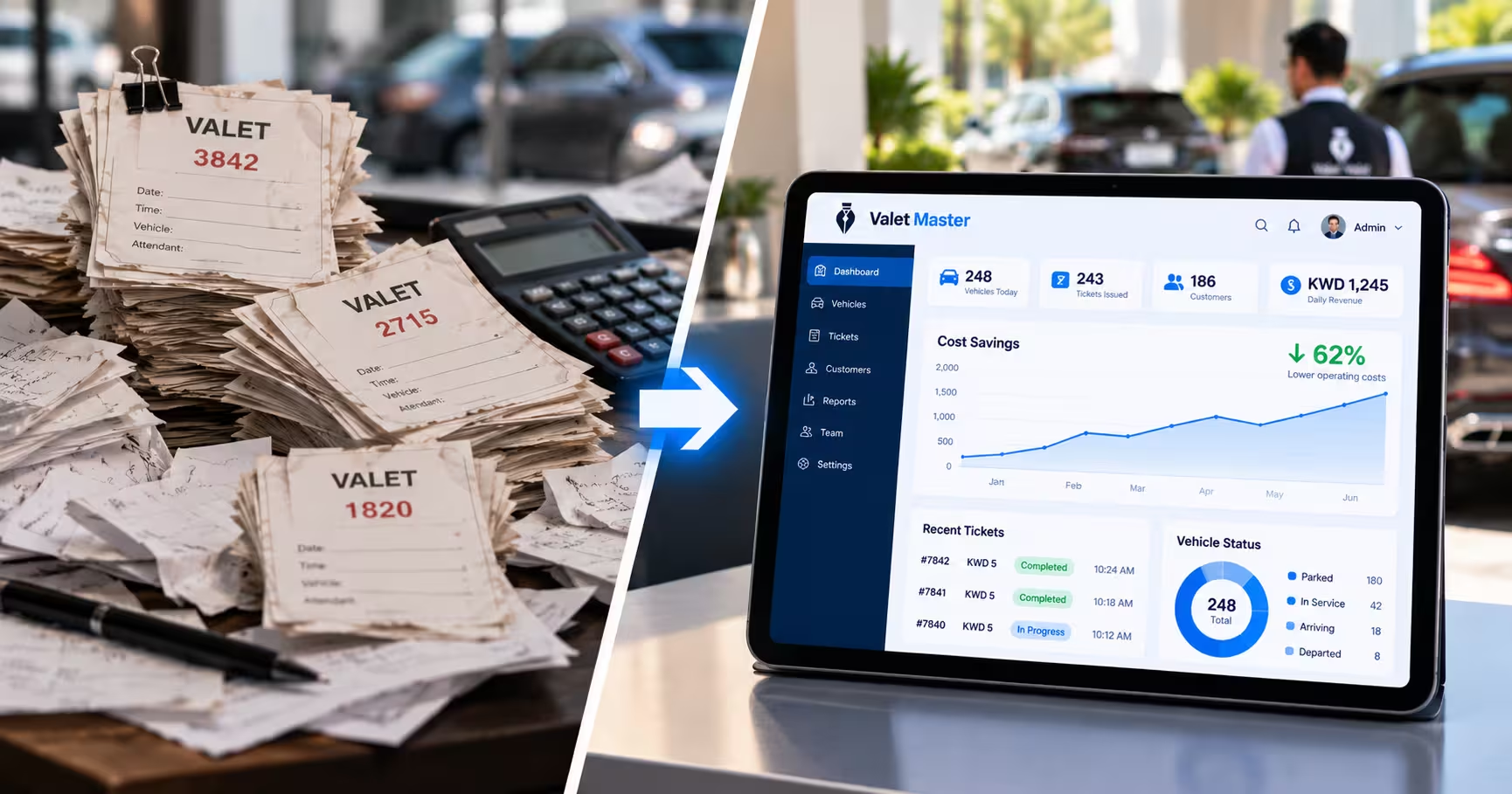
Manual valet appears cheaper upfront since it requires no software investment. But the hidden costs add up over time: longer wait times affecting guest satisfaction, staff inefficiency during peak periods, lost tickets creating disputes, and zero data to identify where operations are breaking down. Digital valet parking software has a licensing or subscription cost, but it typically pays for itself through faster service, fewer errors, and better staff utilization — especially for any business handling meaningful vehicle volume.
Which One Is Actually Better?
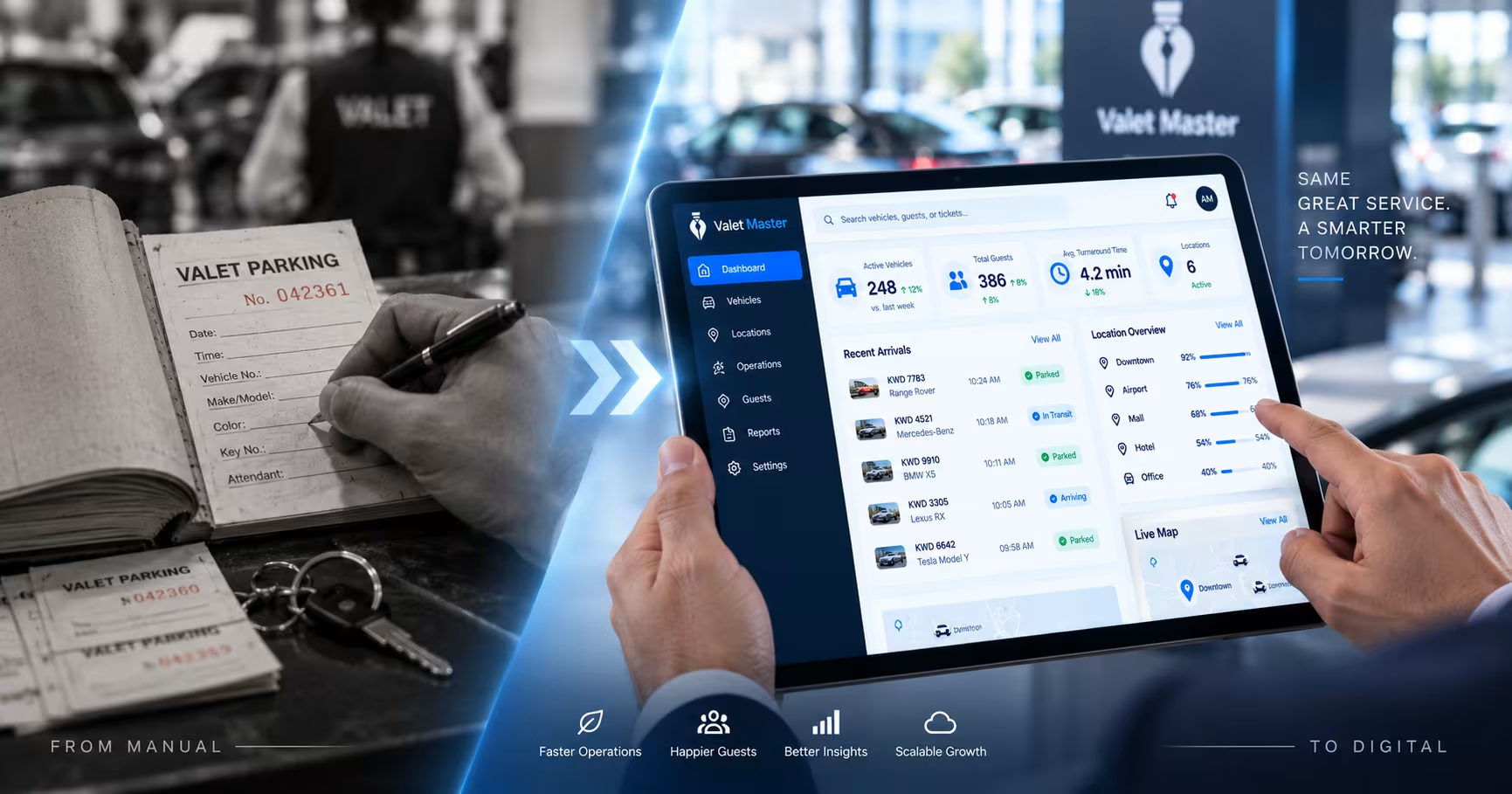
For very low-volume, single-location operations, manual valet can still function adequately. But for any business that handles more than a handful of vehicles a day, operates across multiple locations through multi-branch management, or cares about consistent guest experience and real operational data, digital valet parking is the clear upgrade — and increasingly, the industry standard.
Final Thoughts
Manual valet parking gets the job done at a small scale, but it doesn’t hold up under volume, and it leaves managers with no real data to improve operations. Digital valet parking software solves both problems, giving businesses faster retrieval times, fewer errors, and full visibility into how their valet team is actually performing.
Curious how the switch would work for your business? Request a free demo of Valet Master and see the dashboard, digital ticketing, and live tracking features in action.