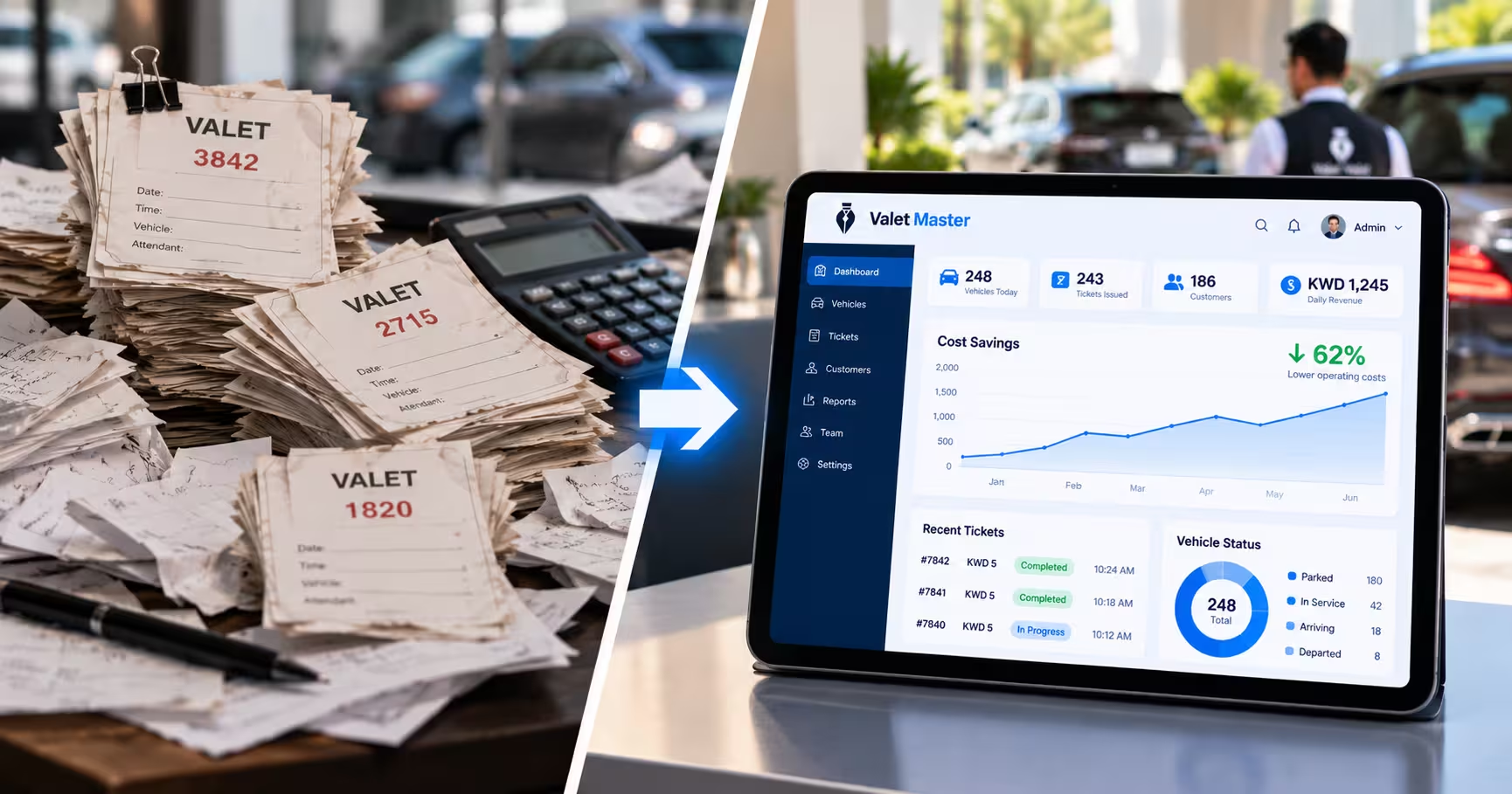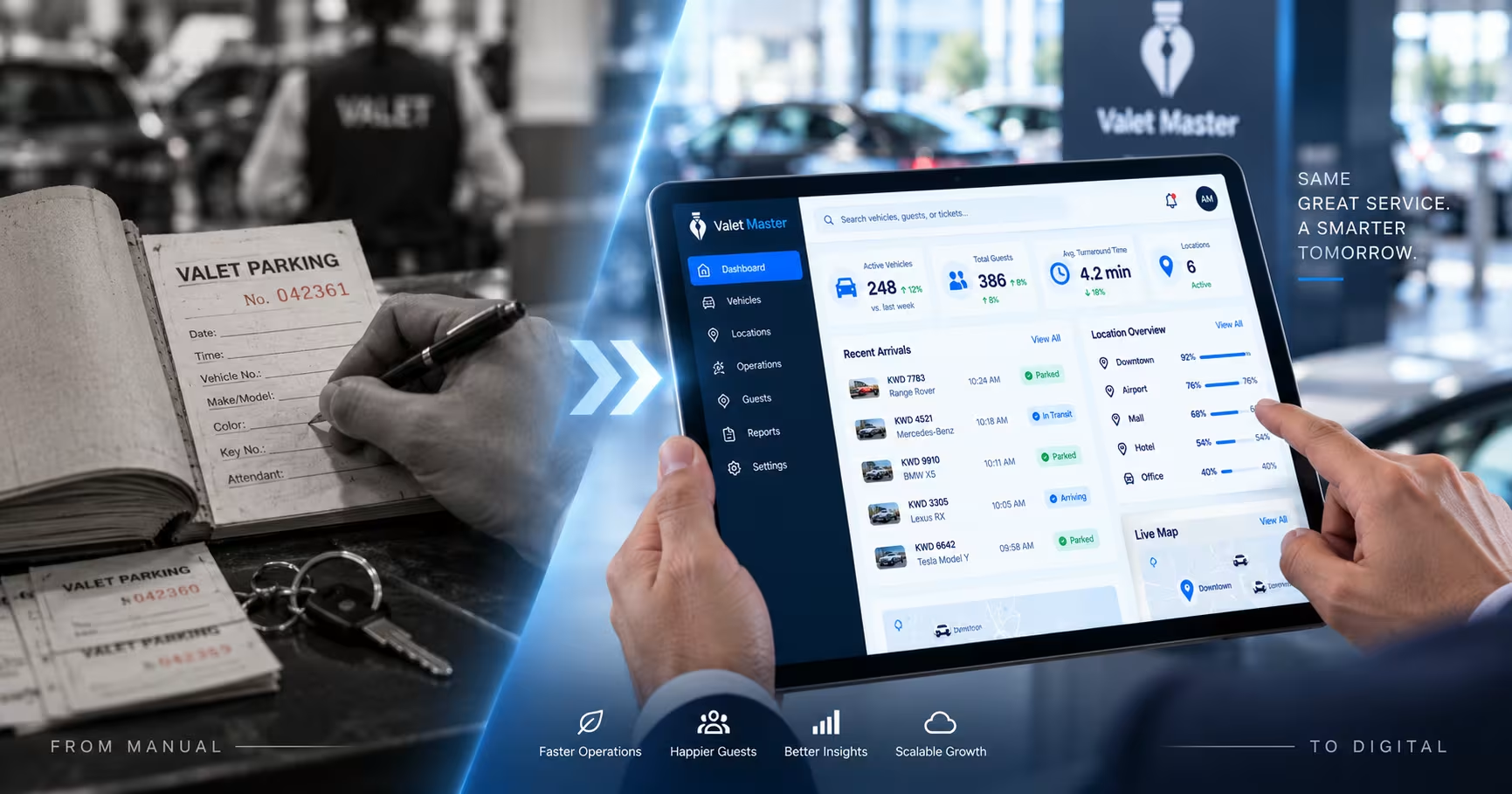
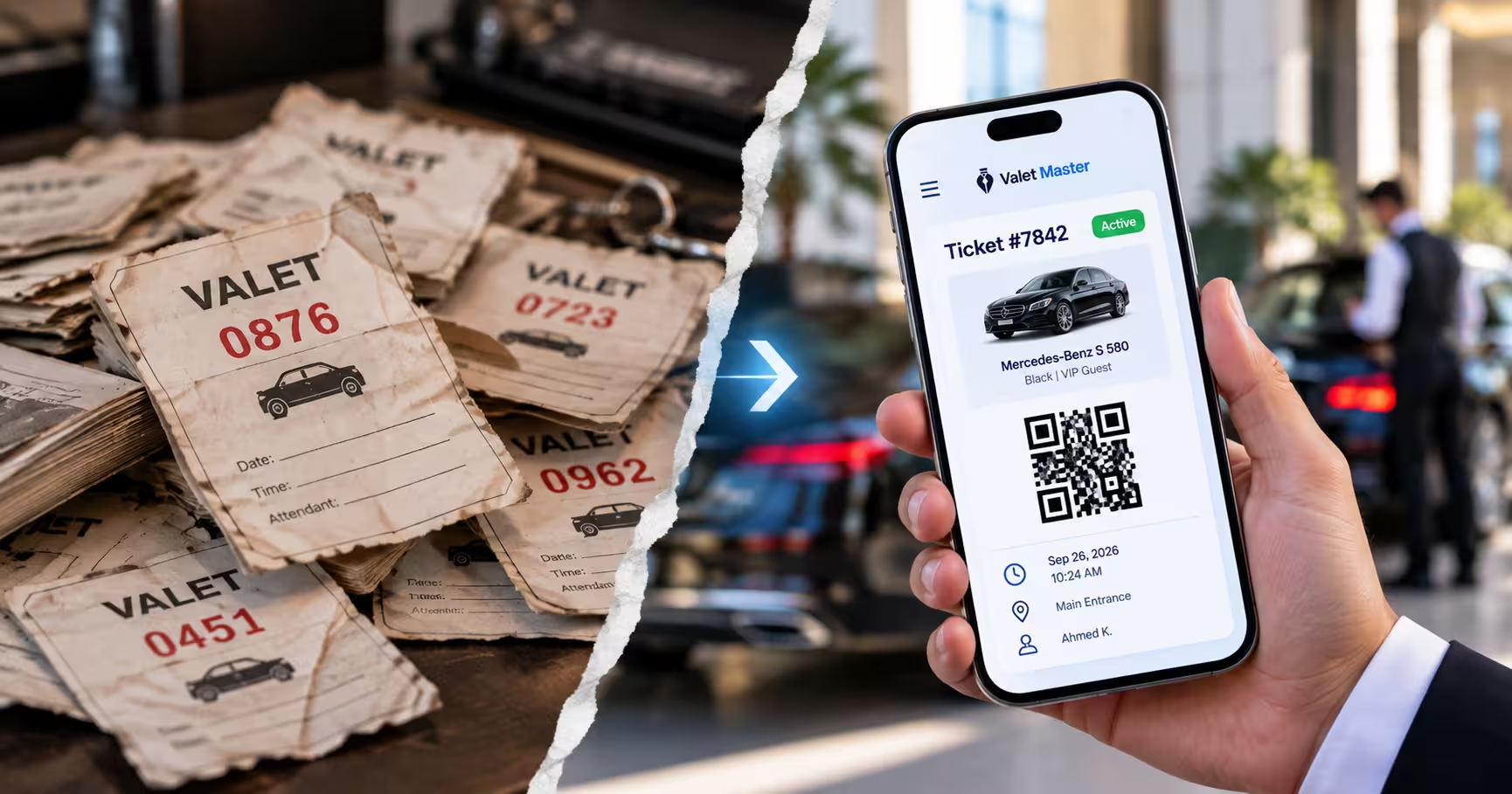
Paperless valet operations are becoming the standard rather than the exception, and the shift isn’t just about looking modern. Paper tickets, handwritten logs, and manual reports create real operational risk—lost records, illegible handwriting, and zero usable data. Paperless valet operations remove that risk entirely, replacing physical paperwork with a digital system that’s faster, more secure, and far easier to manage at scale.
Here’s why businesses across hotels, malls, hospitals, and restaurants are making the switch.

What Paperless Valet Operations Actually Look Like
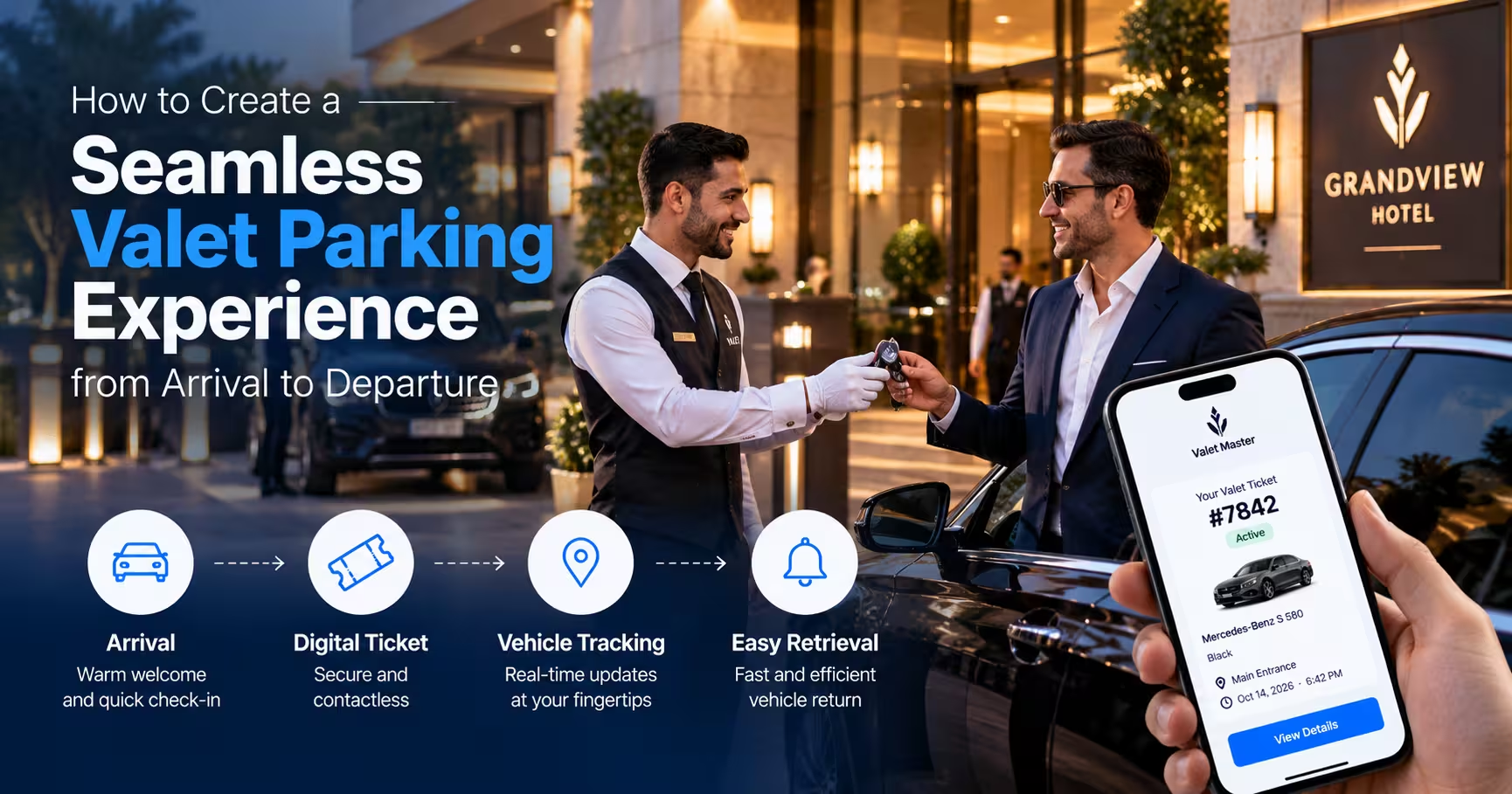
Paperless valet operations replace every physical document in the valet process — check-in slips, ticket stubs, shift logs — with digital equivalents. Digital ticketing with QR codes, digital vehicle records, and cloud-based reporting together eliminate the need for paper at any stage.
Eliminating the Lost-Ticket Problem
Paper tickets are easy to lose, damage, or misplace, and a lost ticket almost always creates delays and awkward verification steps. Paperless valet operations remove this risk by tying every vehicle to a secure digital record instead of a physical slip that depends on a guest keeping track of it.
Faster, More Accurate Check-In and Retrieval
Handwritten tickets take time to write and can be misread later. Paperless valet operations speed up both check-in and retrieval, since attendants can log and verify vehicle information digitally in seconds through the cloud dashboard.

Real-Time Vehicle Tracking Without Manual Logs
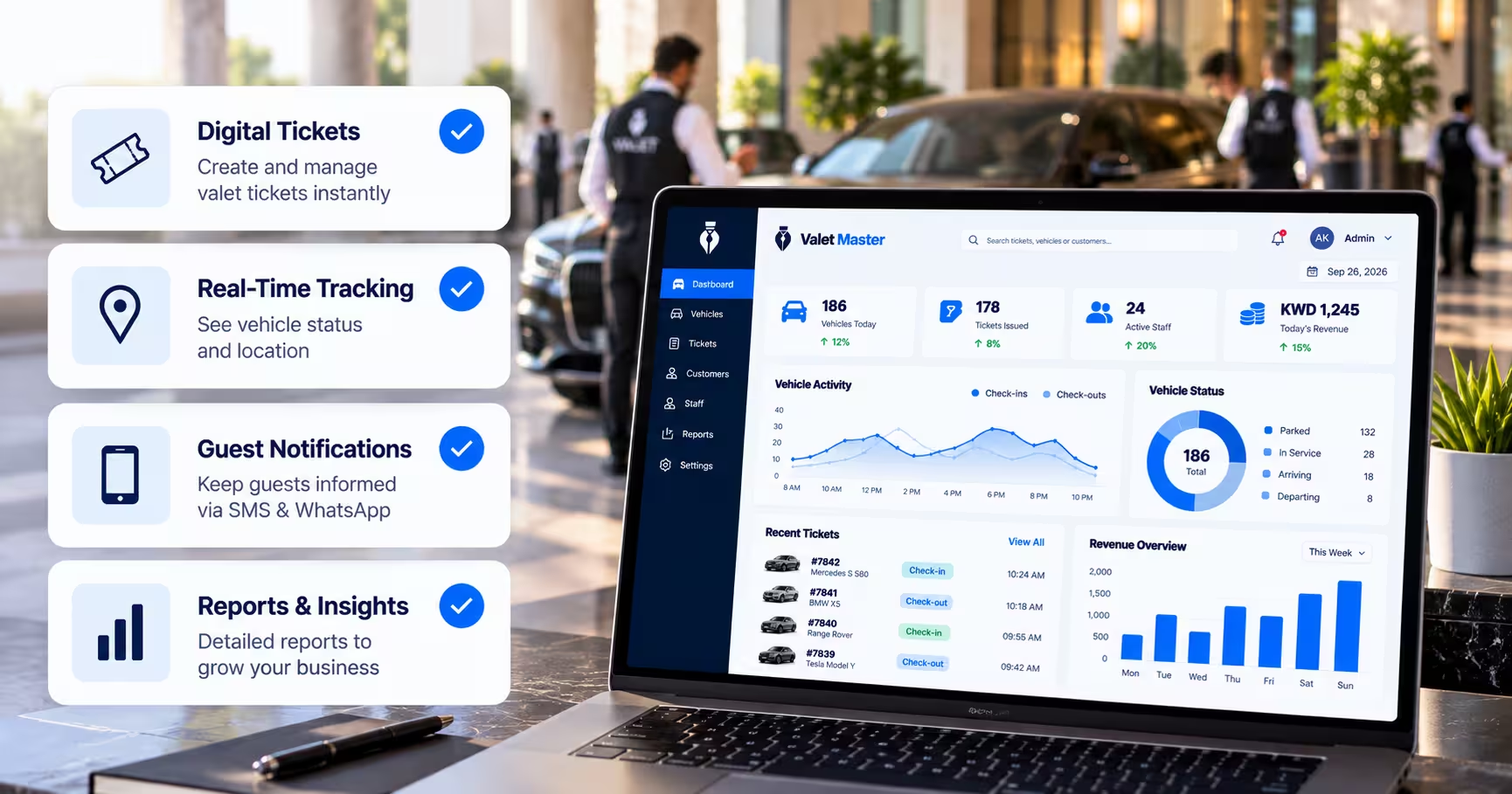
Manual logs can’t tell an attendant where a car is parked in real time — only paperless, digital tracking can. Live parking zone tracking gives attendants instant location data, something a paper log simply can’t provide.
Better Data Through Paperless Reporting
Paper logs generate no usable data for management. Paperless valet operations feed every check-in and retrieval into reports and analytics, giving managers visibility into retrieval times, volume, and staff performance that paper simply cannot capture.
Environmental and Cost Benefits
Beyond operational speed, paperless valet operations reduce the ongoing cost of printing tickets and maintaining physical logbooks, while also cutting down on paper waste — a small but meaningful benefit for properties focused on sustainability initiatives.
Guidance from the International Parking & Mobility Institute points to digital, paperless processes as a key driver of both operational efficiency and reduced administrative overhead across the broader parking industry.
Improved Security and Record Accuracy
Physical tickets and logs can be damaged, altered, or lost entirely, leaving no reliable record if a dispute arises. Paperless valet operations keep every record securely backed up in the cloud, giving businesses a dependable, tamper-resistant history of every vehicle handled.
Easier to Scale Across Multiple Locations
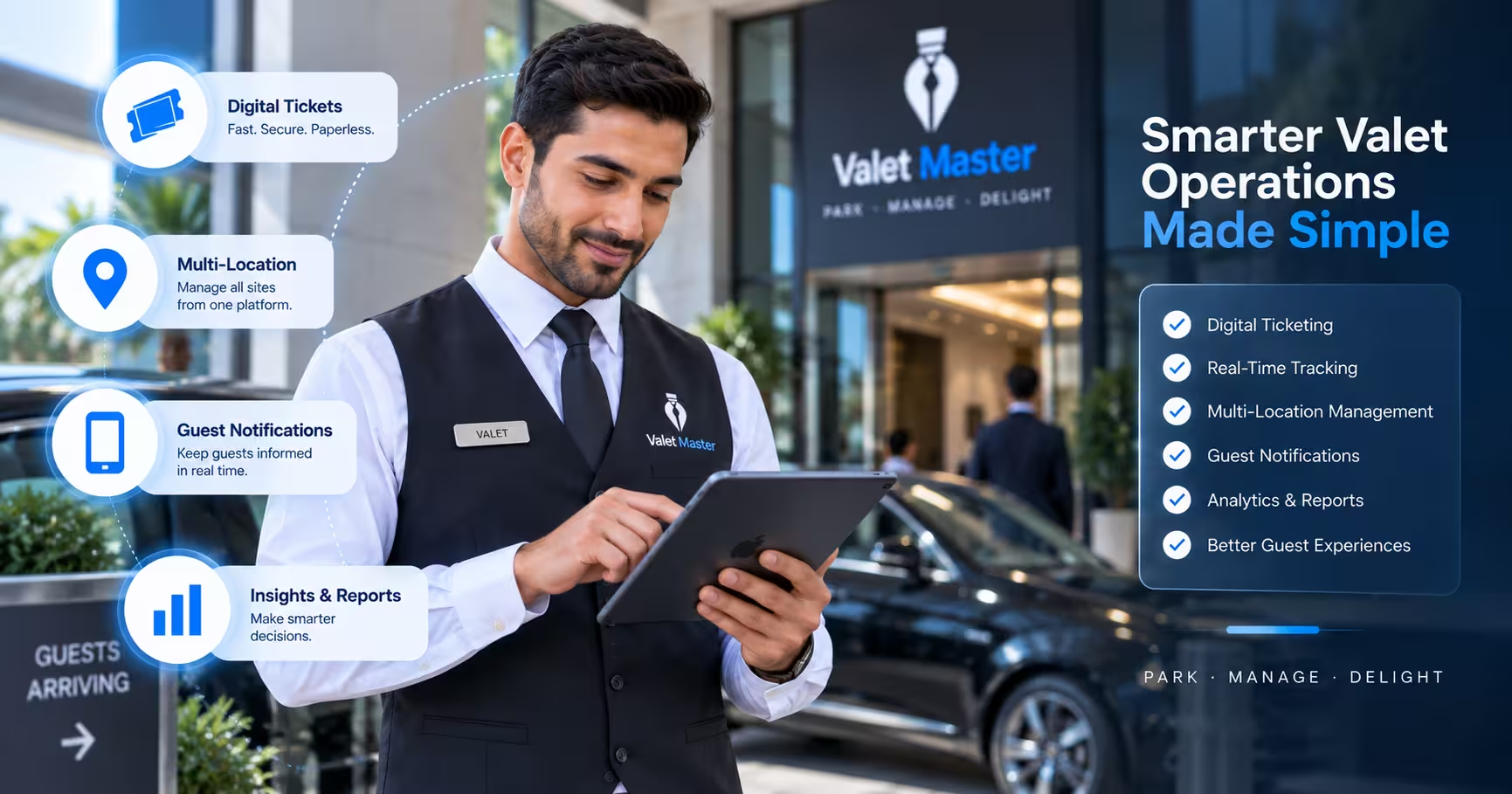
Coordinating paper processes across several properties is genuinely difficult — each site tends to develop its own habits. Paperless valet operations, supported by multi-branch management, keep every location running the same standardized digital process instead.
Final Thoughts
Paperless valet operations solve real, persistent problems that paper-based systems have always struggled with — lost tickets, slow verification, and zero usable data. For businesses handling any meaningful volume of vehicles, going paperless isn’t just a modernization effort; it’s a practical upgrade that improves speed, security, and management visibility all at once.
Want to see paperless valet operations in action? Request a free demo of Valet Master and explore the dashboard, digital ticketing, and live tracking features firsthand.