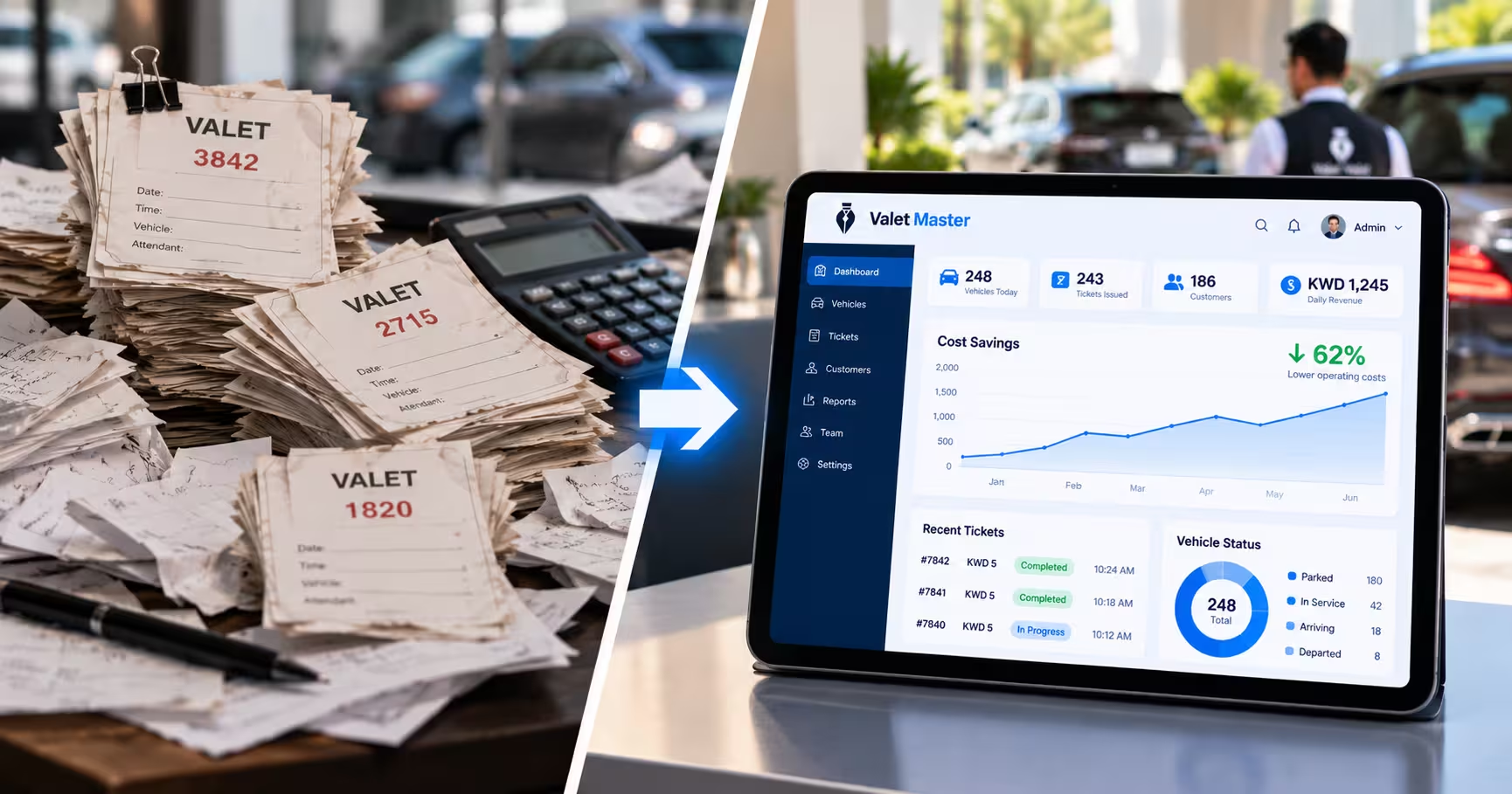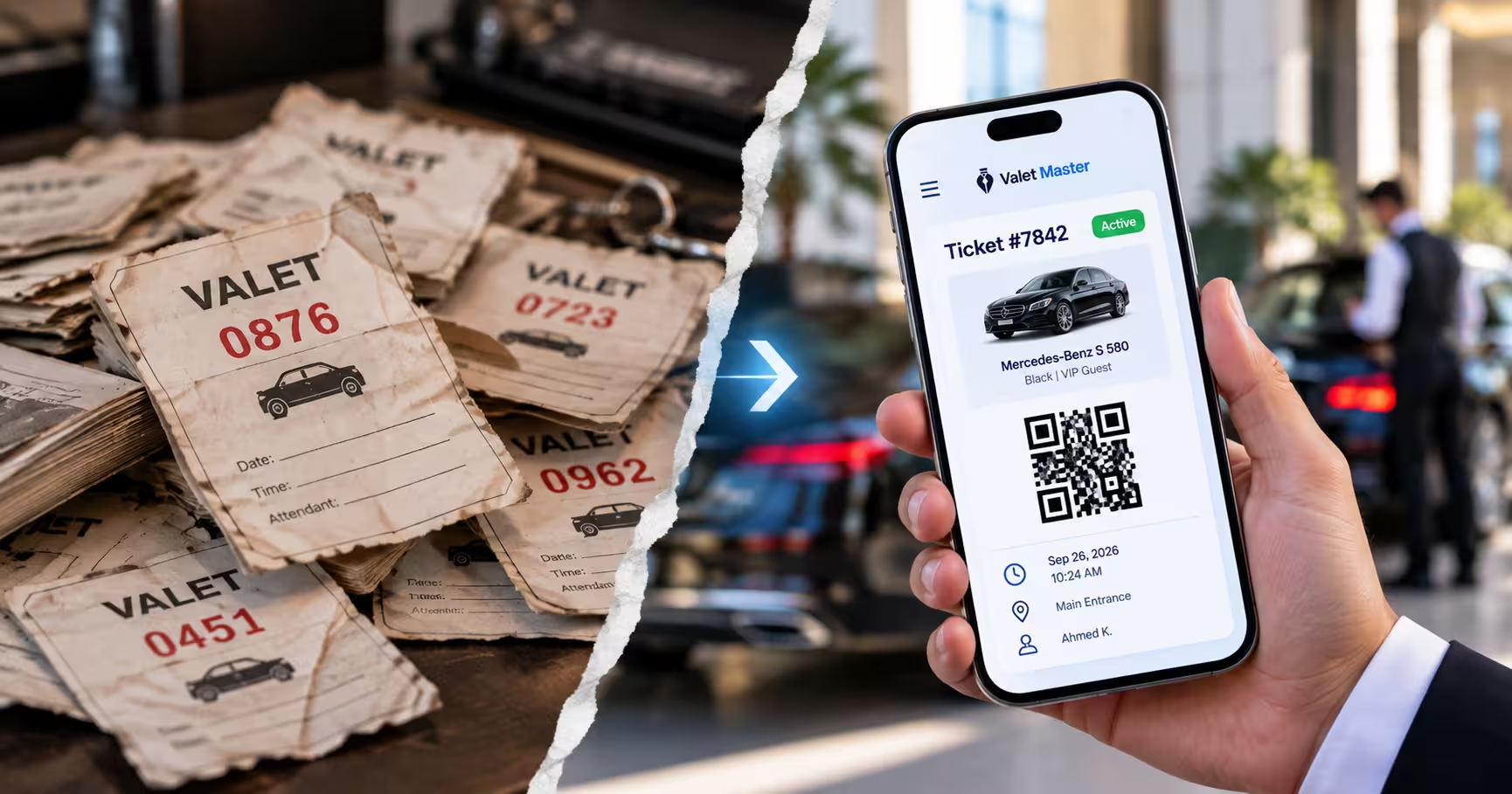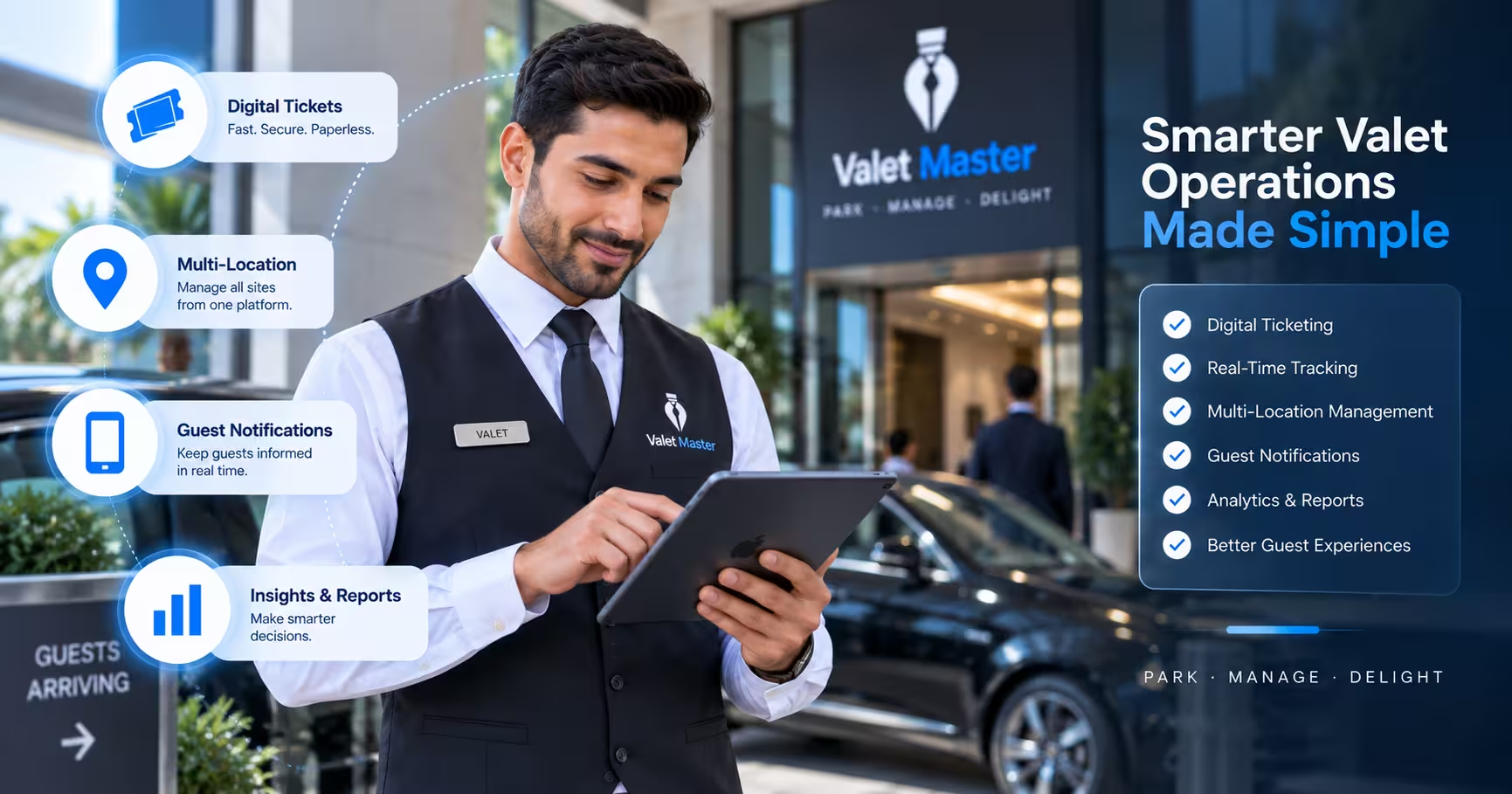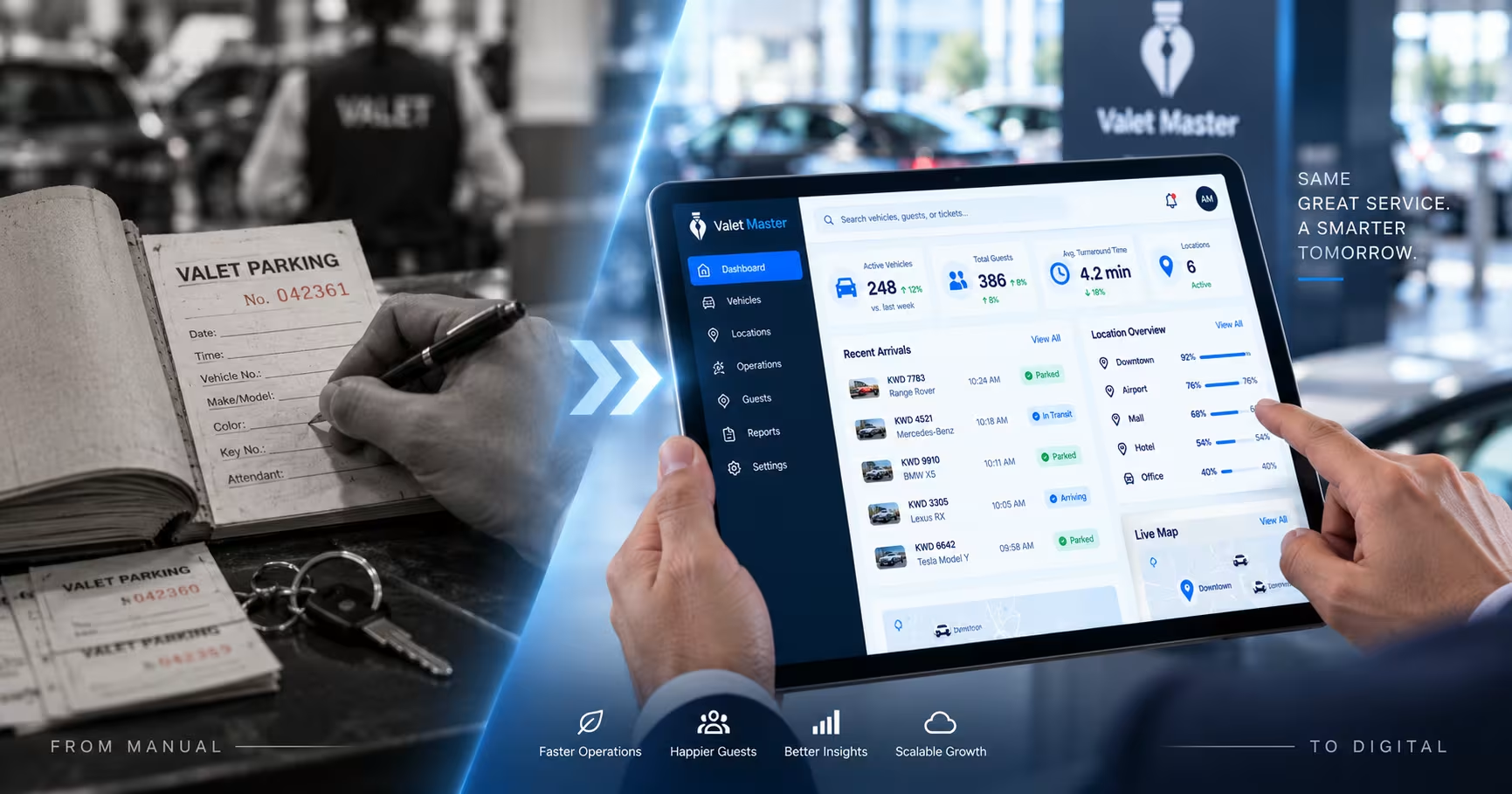
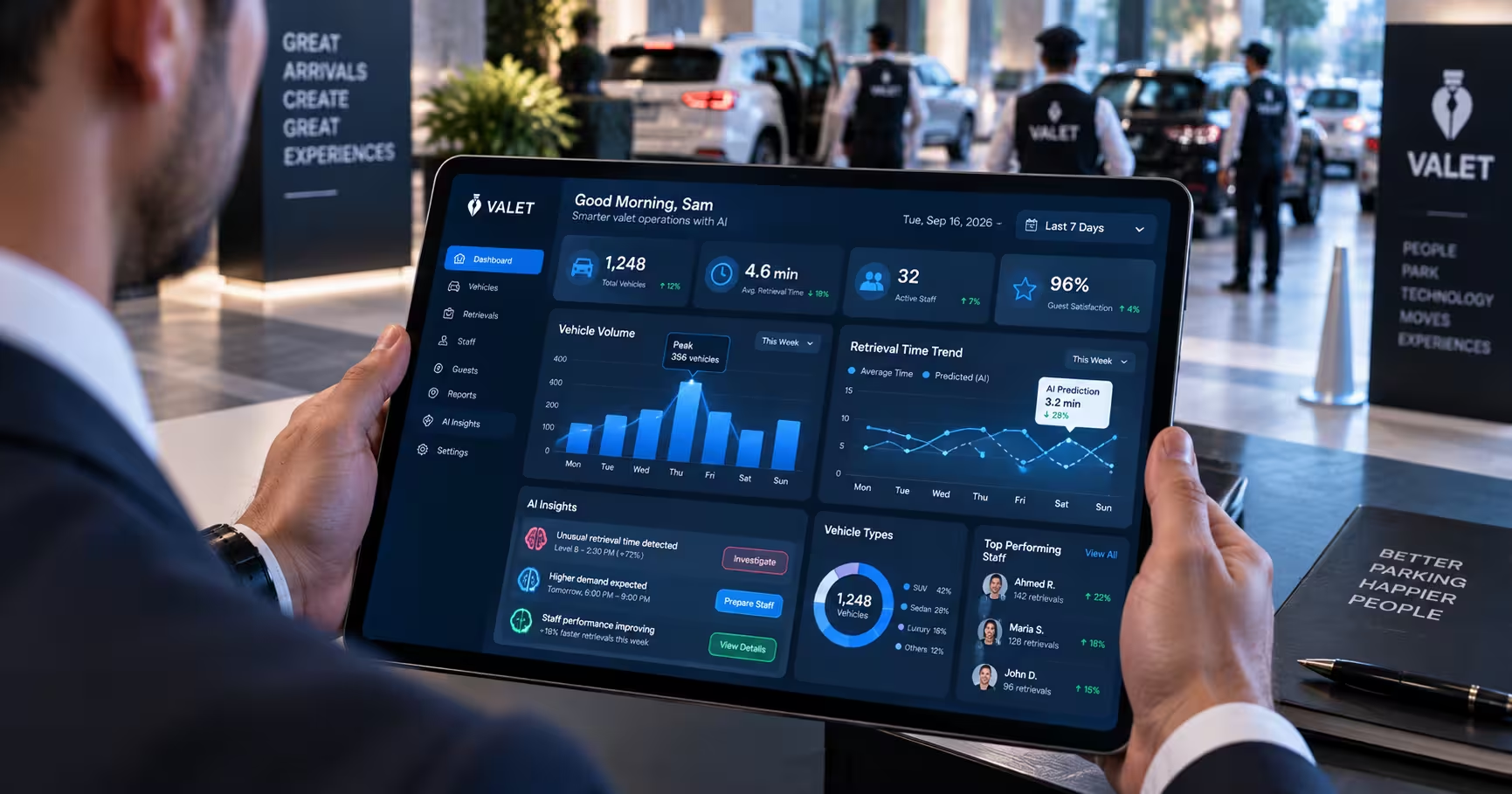
AI and automation in valet parking is moving the industry beyond simple digital tracking toward systems that can anticipate problems before they happen. Digital ticketing and real-time tracking solved the “where is the car” problem. AI and automation in valet parking management are now starting to solve a harder one: how to predict volume, optimize staffing, and catch inefficiencies automatically, without a manager having to dig through reports manually.
Here’s where AI and automation are already showing up in valet operations and where they’re headed next.
What AI and Automation Actually Look Like in Valet Today
AI and automation in valet parking aren’t science fiction—much of it is already built into the digital tools many operations use daily. Automated notifications, structured parking zone assignment, and centralized reporting are all early forms of automation replacing manual decision-making.
Automated Notifications Remove Manual Communication
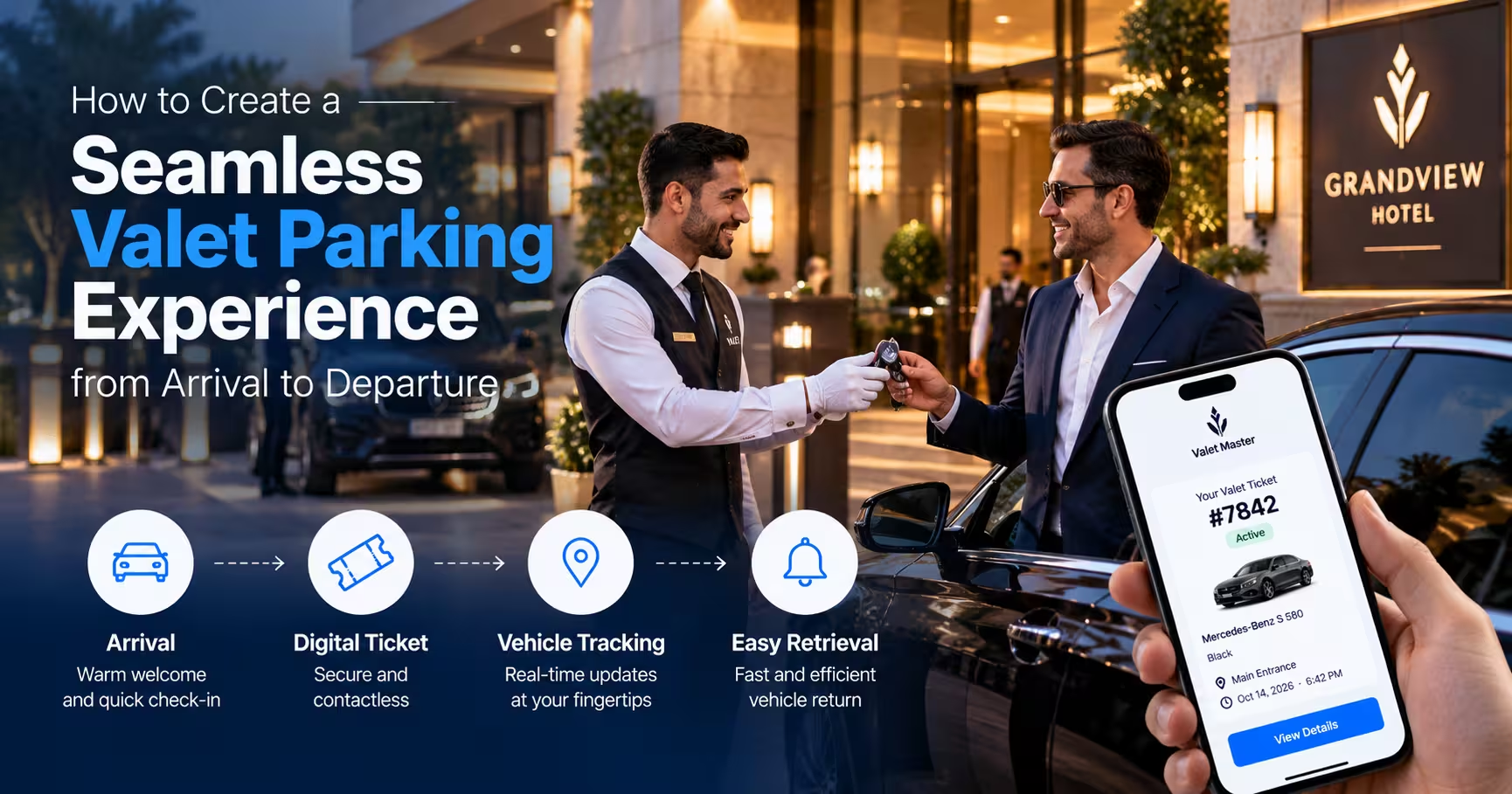
One of the simplest but most effective applications of automation is guest communication. Instead of an attendant manually calling or texting a guest, automated systems trigger notifications the moment a retrieval request is logged and again when the vehicle is ready, removing an entire manual step from the process.
AI-Driven Staffing Predictions
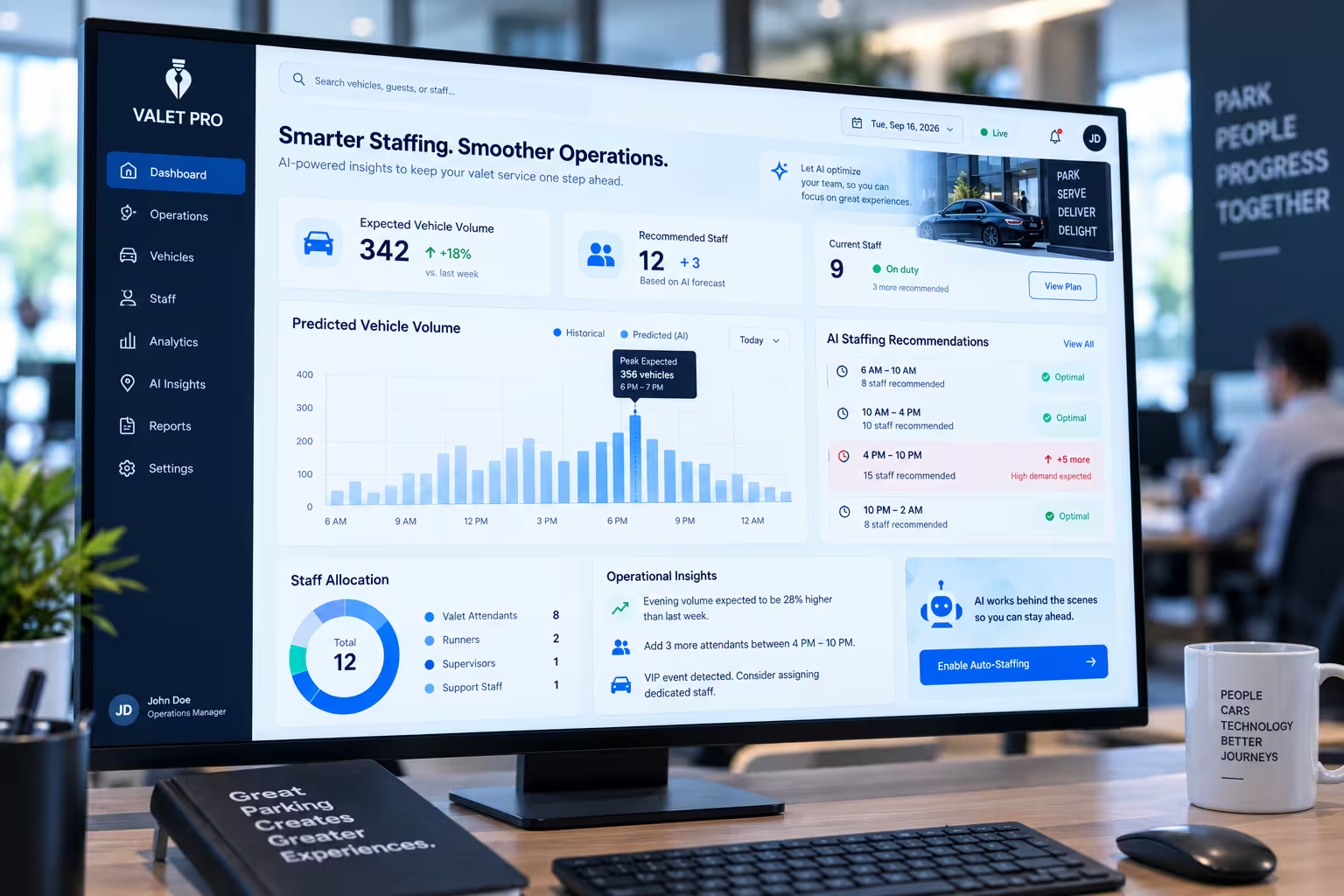
AI and automation in valet parking management are increasingly being used to analyze historical volume data and predict staffing needs automatically, rather than requiring a manager to manually review past reports to plan for an upcoming busy weekend or event.
Smarter Vehicle Zone Assignment
Instead of an attendant simply picking the nearest open parking zone, automated systems can assign vehicles based on retrieval likelihood, guest priority, or expected length of stay, optimizing the lot layout in ways manual assignment can’t consistently replicate.
Automated Anomaly Detection in Operations
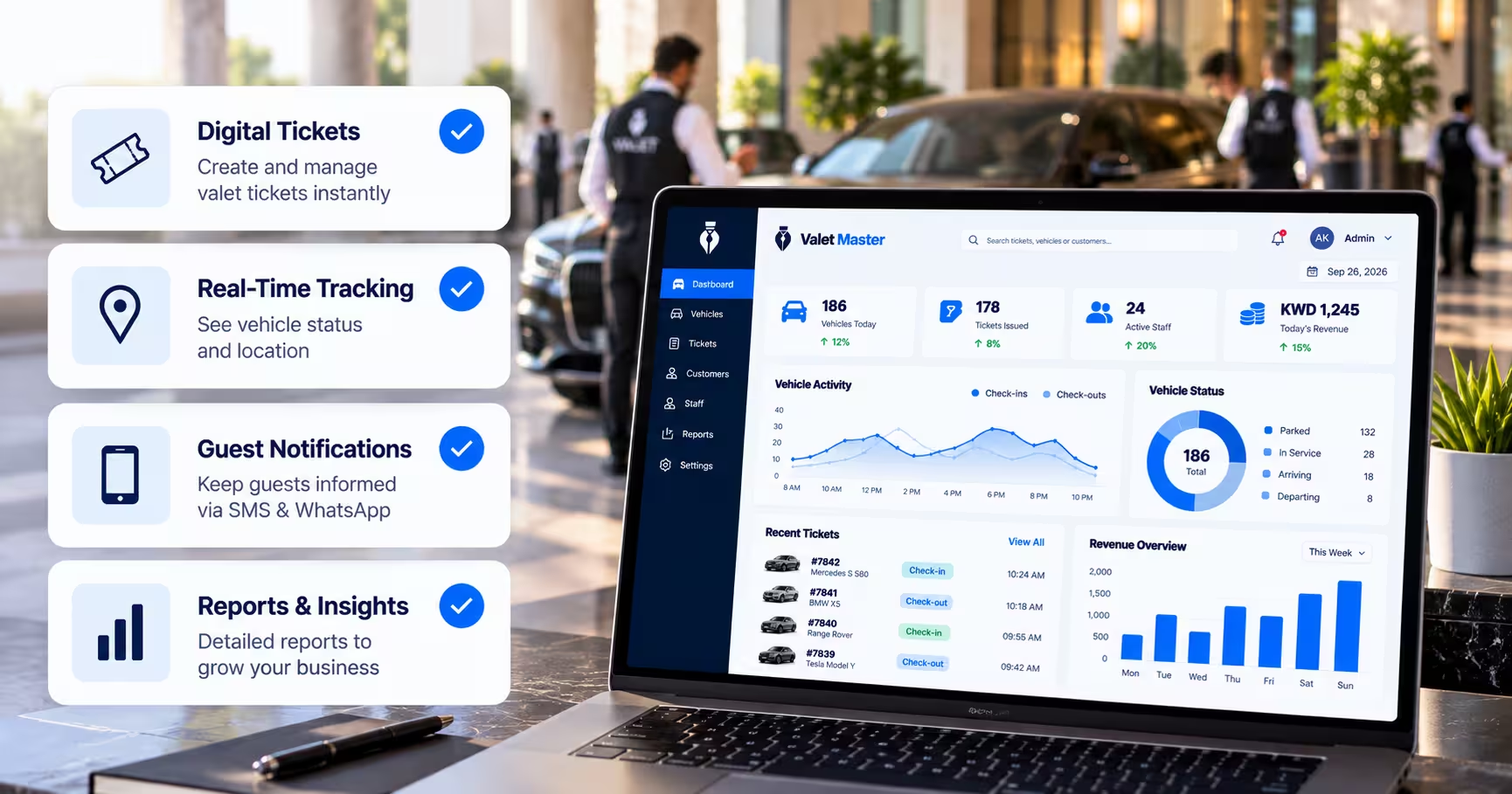
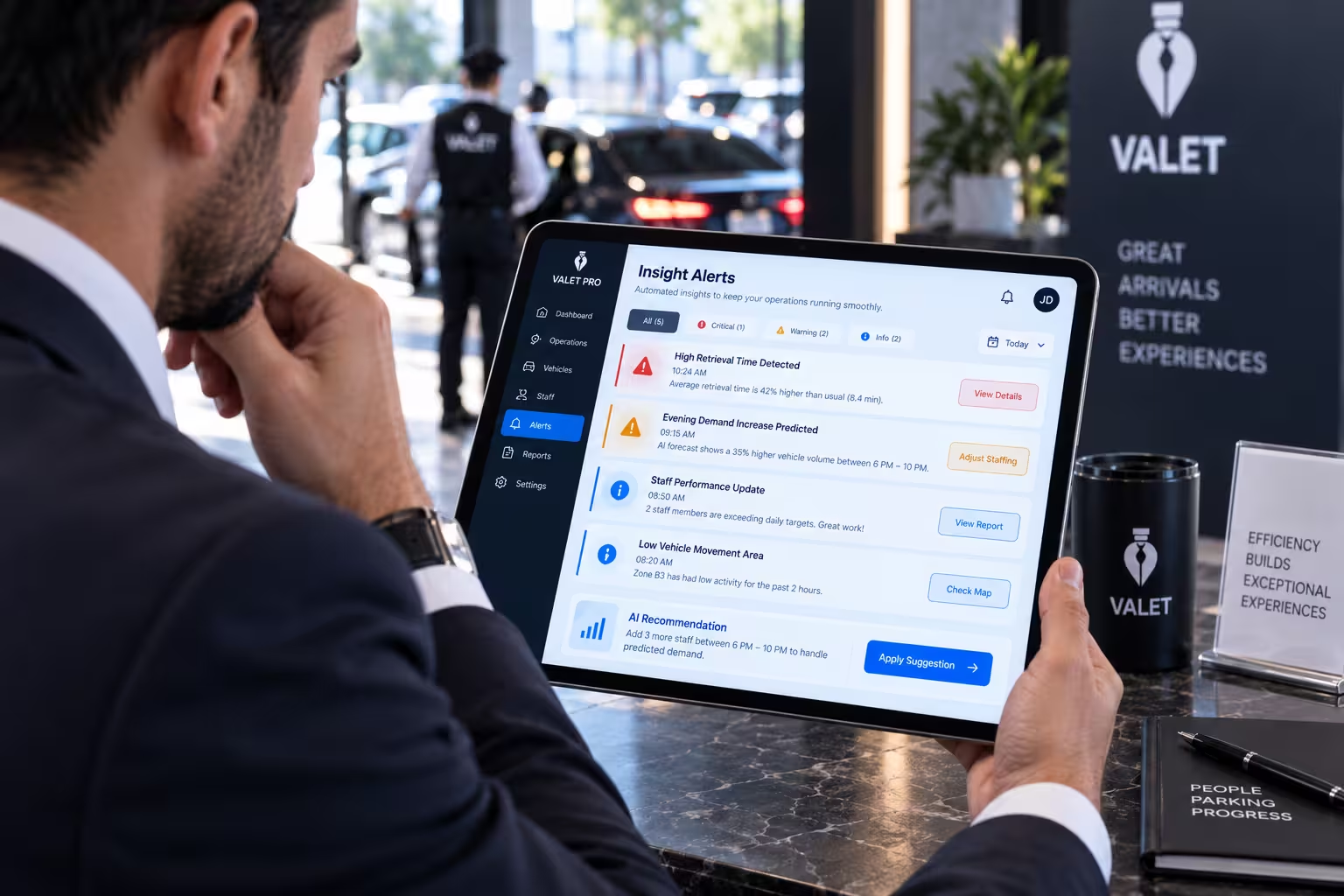
As more data flows through live operations monitoring, automated systems can start flagging unusual patterns on their own — a specific shift with unusually long retrieval times, or a zone that’s consistently causing delays — before a manager would otherwise notice.
AI Support for Multi-Location Oversight
For businesses managing several properties, AI and automation in valet parking management extend naturally into multi-branch management, automatically surfacing which locations are underperforming rather than requiring manual comparison across separate reports.
Industry analysis from McKinsey & Company notes that AI-driven demand forecasting and automated staffing tools are becoming standard across service industries broadly, a trend that’s steadily extending into specialized operations like valet parking.
What AI and Automation Don’t Replace
Despite the growing role of automation, valet remains a fundamentally human-facing service. AI and automation in valet parking management are best understood as tools that remove repetitive manual work—searching for cars, cross-checking paper logs, manually predicting staffing—so attendants and managers can focus more on the guest interaction itself, not less.
What Businesses Can Do Now
Adopting core digital tools today—digital ticketing, real-time tracking, and structured reporting—builds the data foundation that AI and automation depend on. Businesses running on paper tickets have no data for automation to work with, which is exactly why the shift to digital valet management is the necessary first step before any of these more advanced capabilities become useful.
Final Thoughts
AI and automation in valet parking management are steadily moving the industry from reactive to predictive—automating notifications, staffing decisions, and anomaly detection instead of leaving them to manual guesswork. For businesses that have already digitized their core valet processes, these capabilities are a natural next step rather than a distant possibility.
Want to see how automation fits into a modern valet system? Request a free demo of Valet Master and explore the dashboard, digital ticketing, and live tracking features firsthand.