Digital valet systems reduce operational costs in ways that aren’t always obvious at first glance. The upfront cost of software is easy to see, but the hidden costs of manual valet—wasted staff time, lost tickets, damage disputes, and lost revenue from frustrated guests—rarely show up on a single line item. Once those are counted, digital valet systems reduce operational costs across nearly every part of the operation, often paying for themselves faster than businesses expect.
Here’s a breakdown of exactly where the savings come from.
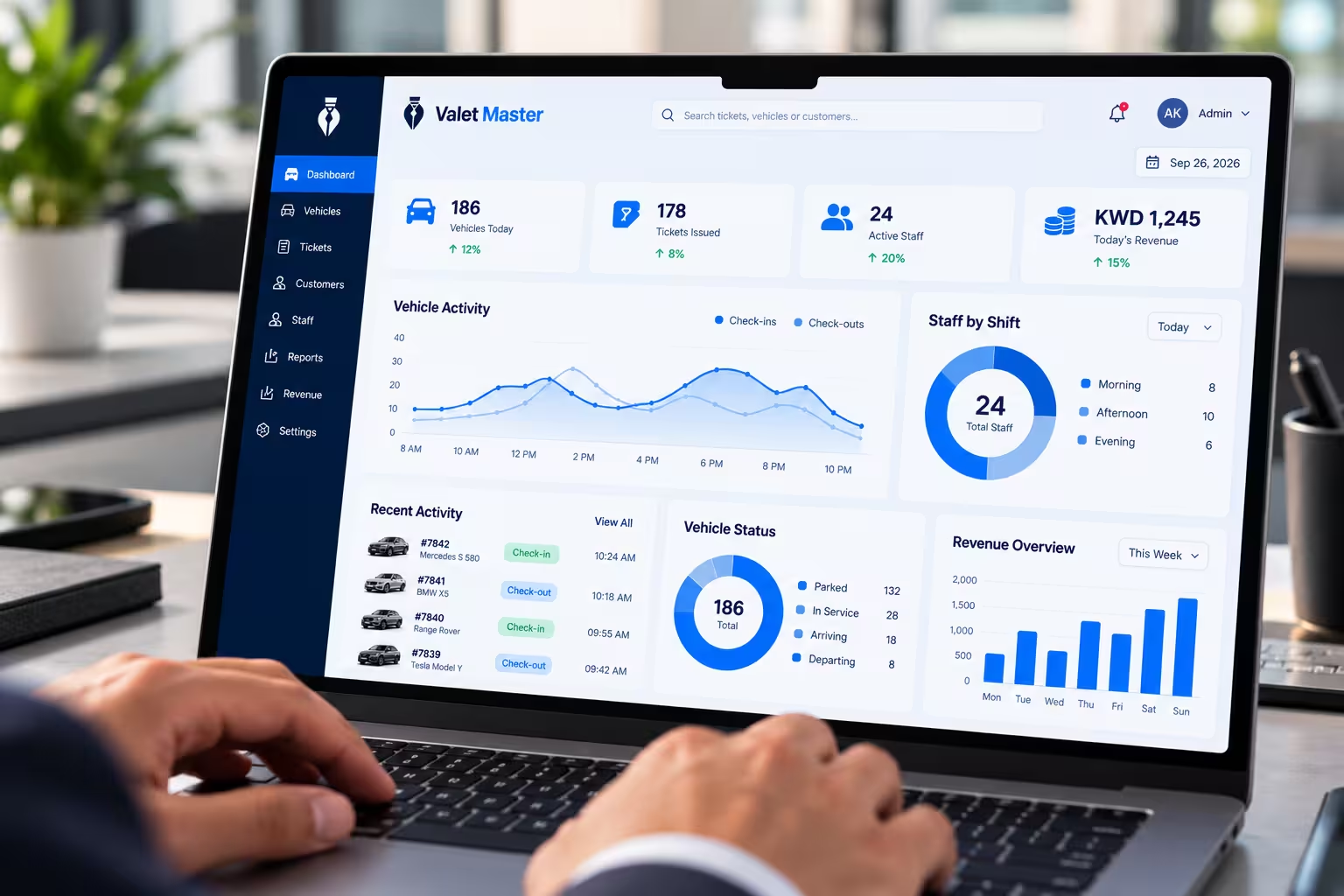
The Hidden Costs of Manual Valet Operations
Manual valet looks cheap because it requires no software. But the real costs accumulate quietly: attendants spending extra time searching for cars, paper tickets that need printing and replacing, disputes over vehicle condition, and staffing decisions made without any data. Digital valet systems reduce operational costs by addressing each of these directly.
Less Staff Time Wasted on Searching and Coordinating
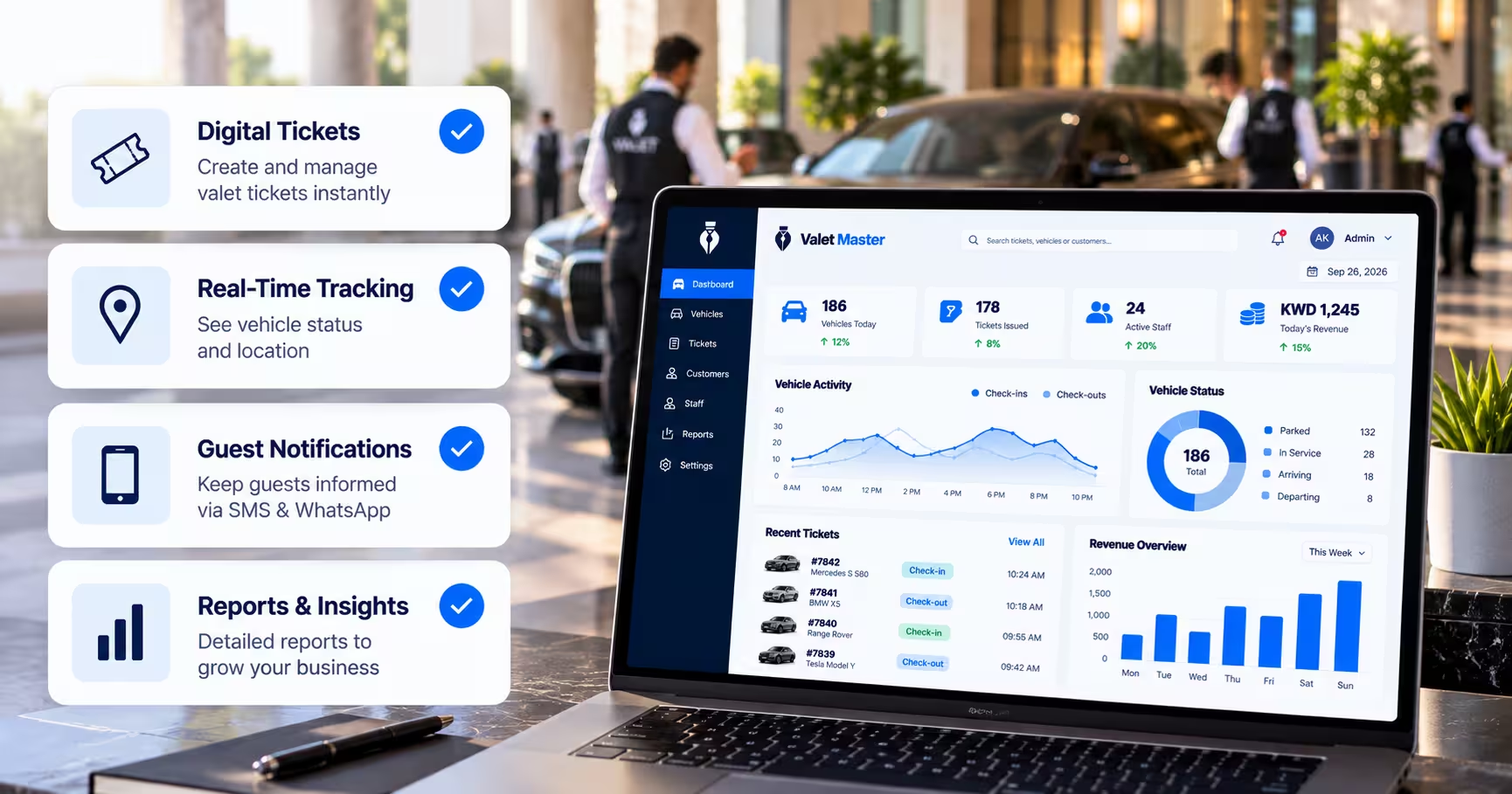
One of the biggest cost drivers in valet is labor spent on tasks that add no value — walking rows searching for a car, radioing back and forth, or returning to a podium to log information. Real-time parking zone tracking and a mobile app cut this wasted time significantly, letting the same team handle more vehicles per shift.
Smarter Staffing Reduces Overtime and Overstaffing
Without data, managers tend to either overstaff to be safe or understaff and pay overtime to catch up during rushes. Reports and analytics on historical volume let managers staff based on actual demand, which is one of the clearest ways digital valet systems reduce operational costs over time.
Fewer Lost-Ticket Incidents and Disputes
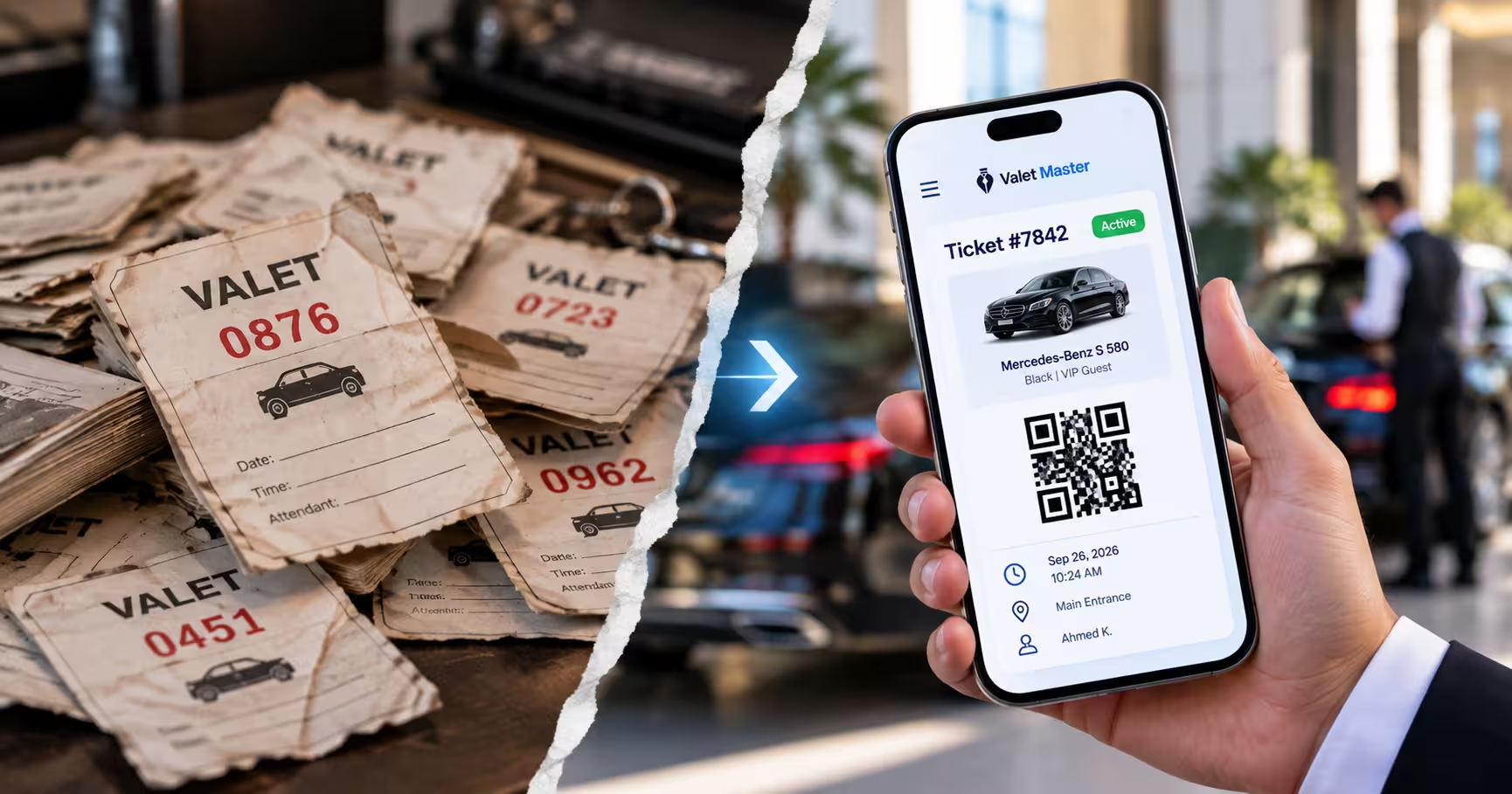
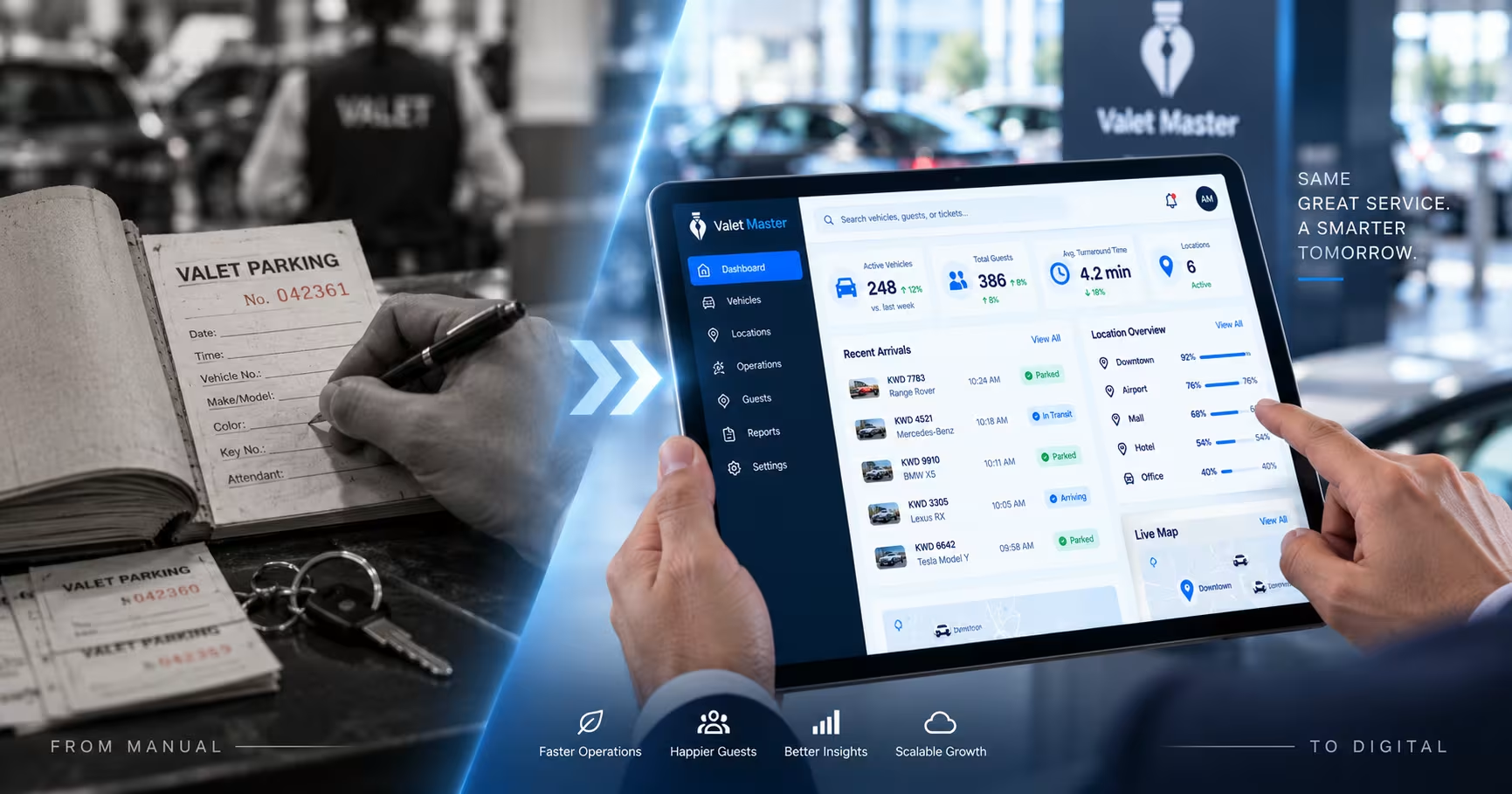
Lost tickets create delays, extra verification steps, and sometimes real customer service costs. Digital ticketing removes this problem by tying every vehicle to a secure digital record instead of a slip of paper that can disappear.

Lower Liability from Vehicle Damage Claims
Disputes over pre-existing vehicle damage can be expensive, both in direct claims and in staff time spent resolving them. Digital vehicle management, with condition photos and notes logged at check-in, gives businesses a clear record that helps resolve disputes quickly and protects against unwarranted claims.
Reduced Printing and Administrative Costs
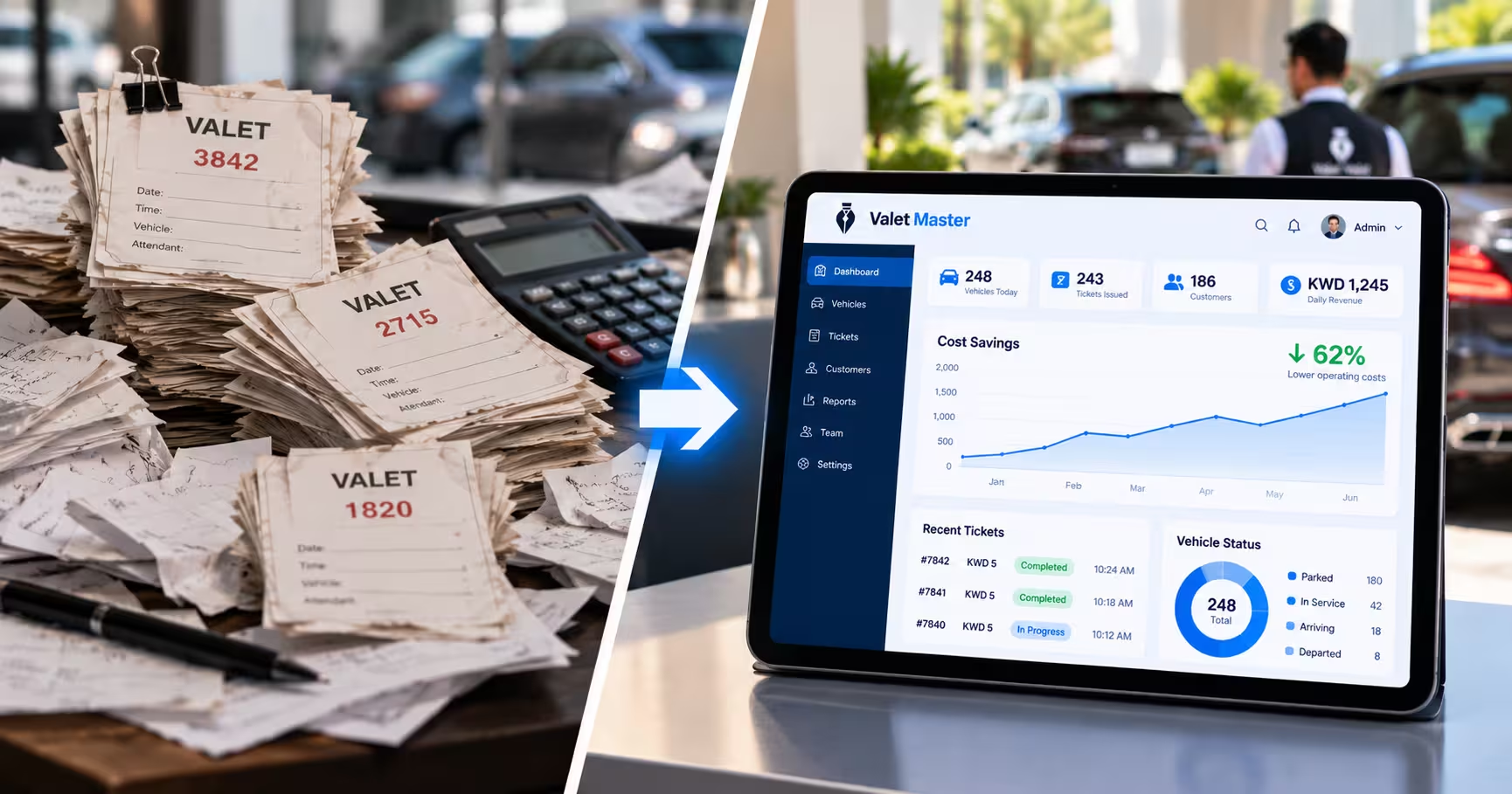
Paper tickets, logbooks, and manual end-of-day reports all carry ongoing costs — printing, storage, and the staff time required to compile and review them. Digital valet systems reduce operational costs here by replacing all of it with automated, cloud-based records and reporting.
Managing Multiple Locations More Cheaply
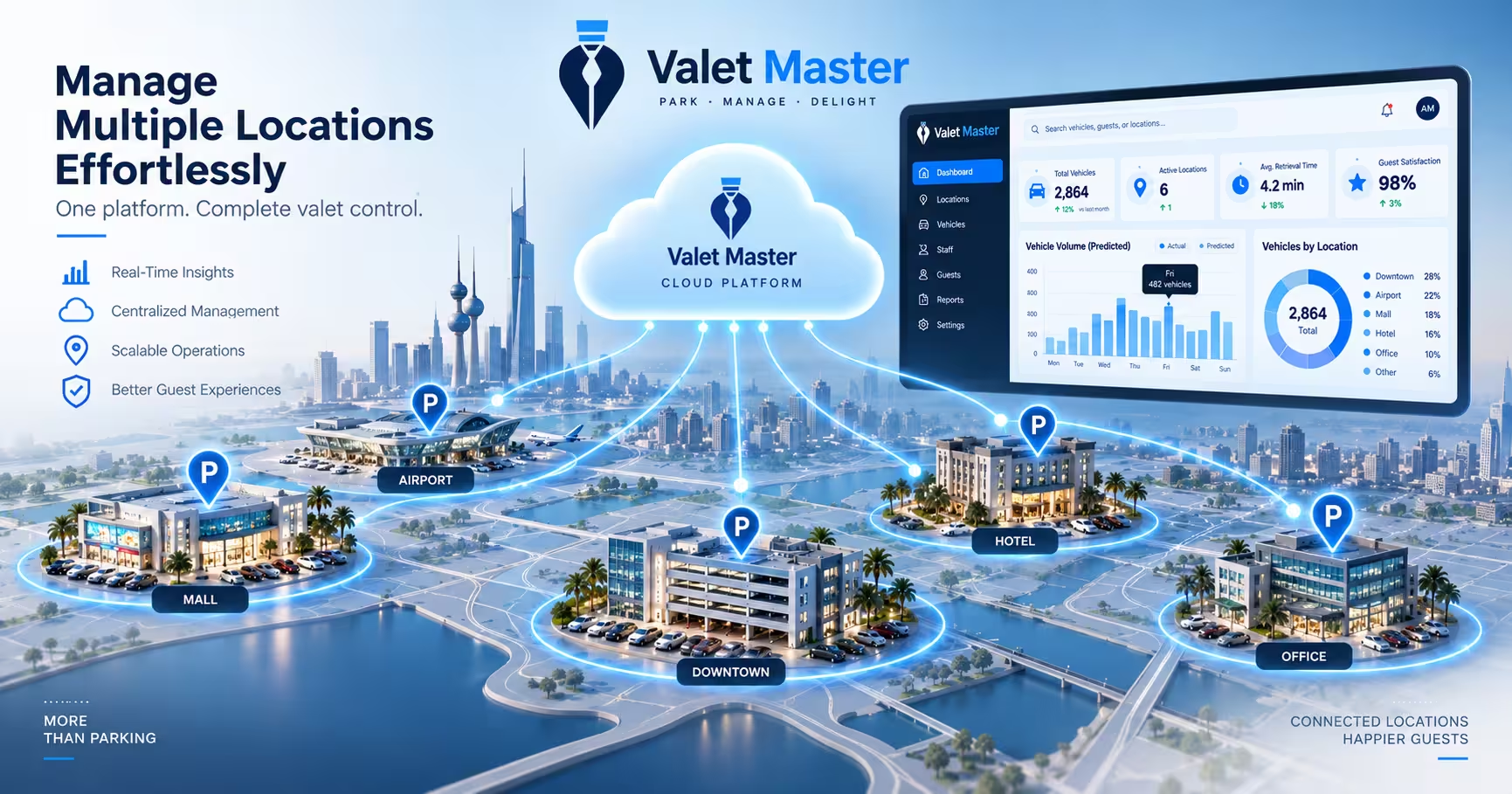
Overseeing valet across several properties with manual systems often requires extra supervisory time and travel to check on each site. Multi-branch management lets ownership monitor every location from one cloud dashboard, reducing the oversight costs that come with running disconnected operations.
Analysis from McKinsey & Company consistently shows that operations using real-time data to guide staffing and process decisions achieve meaningful cost reductions compared to those relying on manual planning—a principle that applies directly to service operations like valet.
Revenue Protection: The Cost of Frustrated Guests
Not every cost shows up as an expense. A slow or disorganized valet experience can cost a business repeat visits, positive reviews, and loyalty, particularly for hotels, restaurants, and malls that depend on guest satisfaction. Faster retrieval and a smoother experience protect that revenue, which is often the largest hidden benefit of all.
Where the Savings Add Up Most
- Reduced labor time spent searching for vehicles
- Smarter staffing based on real demand data
- Fewer lost-ticket incidents and dispute costs
- Lower liability exposure from damage claims
- Eliminated printing and manual reporting costs
- Cheaper oversight across multiple locations
See how these savings apply to your business type on the solutions page.
Final Thoughts
Digital valet systems reduce operational costs by removing the waste built into manual processes—wasted labor, avoidable disputes, printing costs, and guesswork-driven staffing. When those savings are added to the revenue protected by a better guest experience, the return on investment tends to be significantly larger than the software cost alone suggests.
Curious what the savings could look like for your operation? Request a free demo of Valet Master and explore the dashboard, digital ticketing, and live tracking features firsthand.