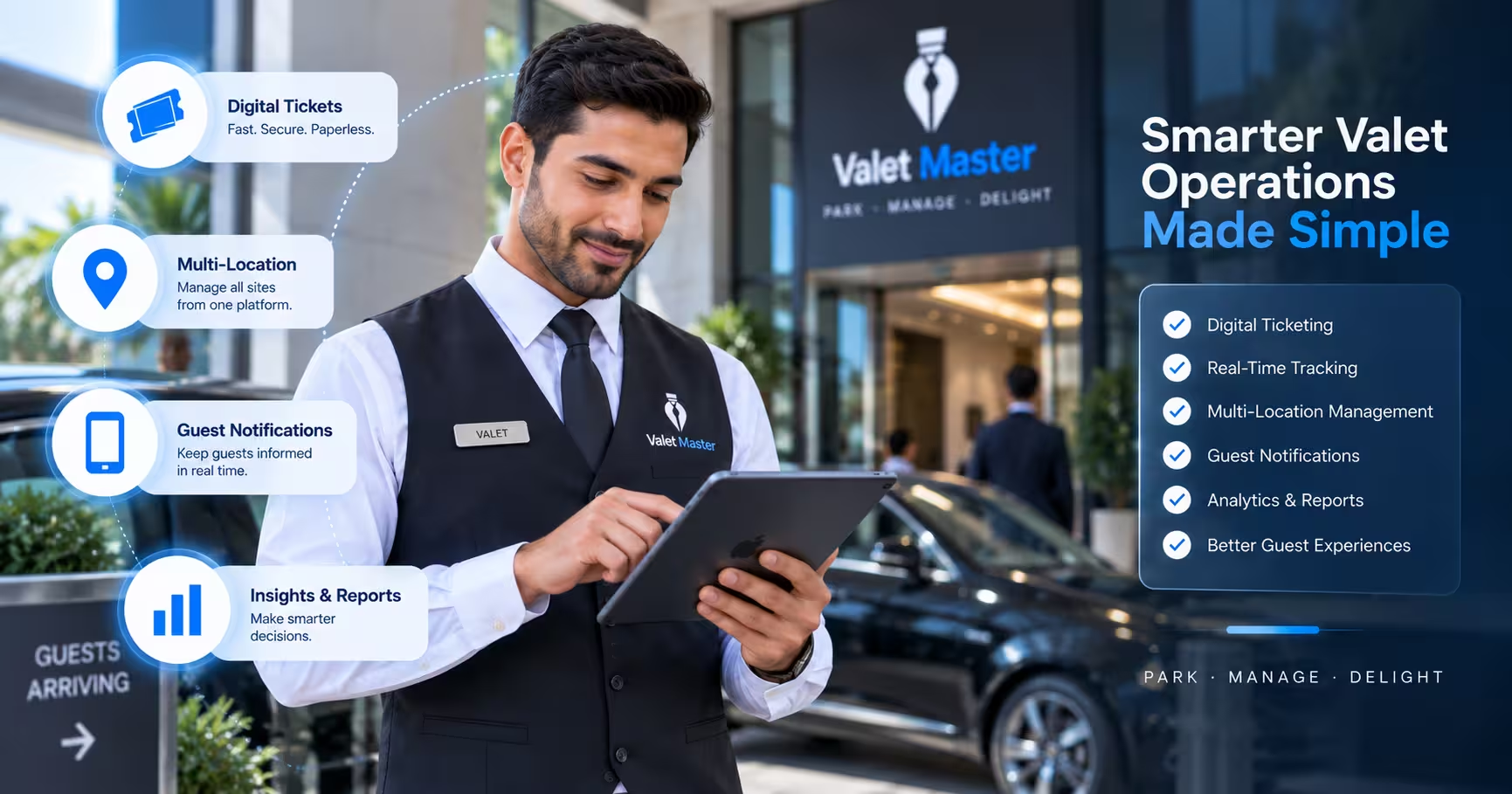
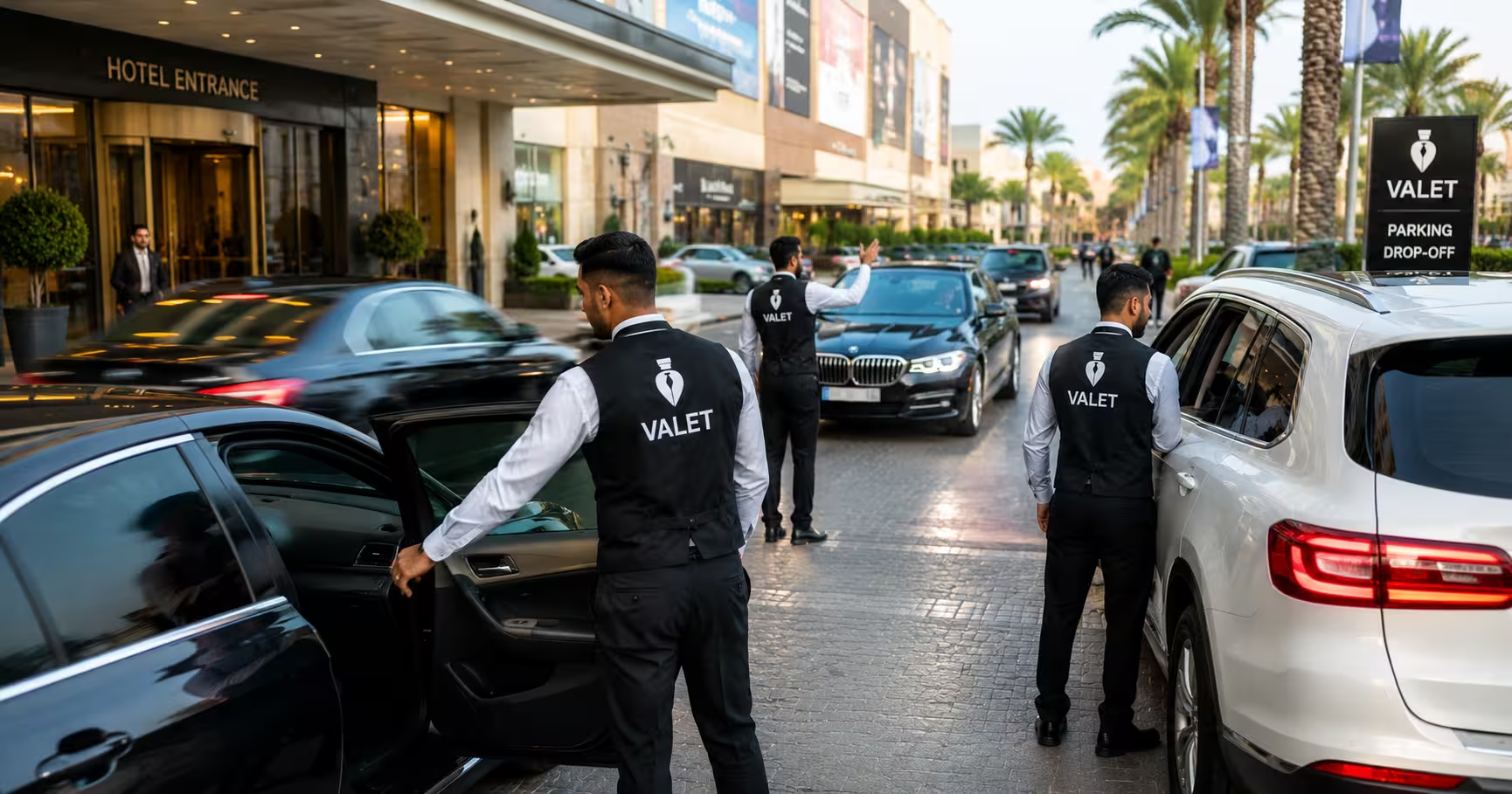
Every valet team wants to improve valet parking efficiency, but most operations don’t know exactly where their time is being lost. Slow check-ins, disorganized parking, and blind vehicle searches quietly add up, especially during peak hours when every extra minute is noticed by a waiting guest. The good news is that most of the ways to improve valet parking efficiency come down to a handful of specific, fixable changes.
Here are 7 practical ways to improve valet parking efficiency, whether you’re running a hotel, mall, hospital, restaurant, or residential valet operation.
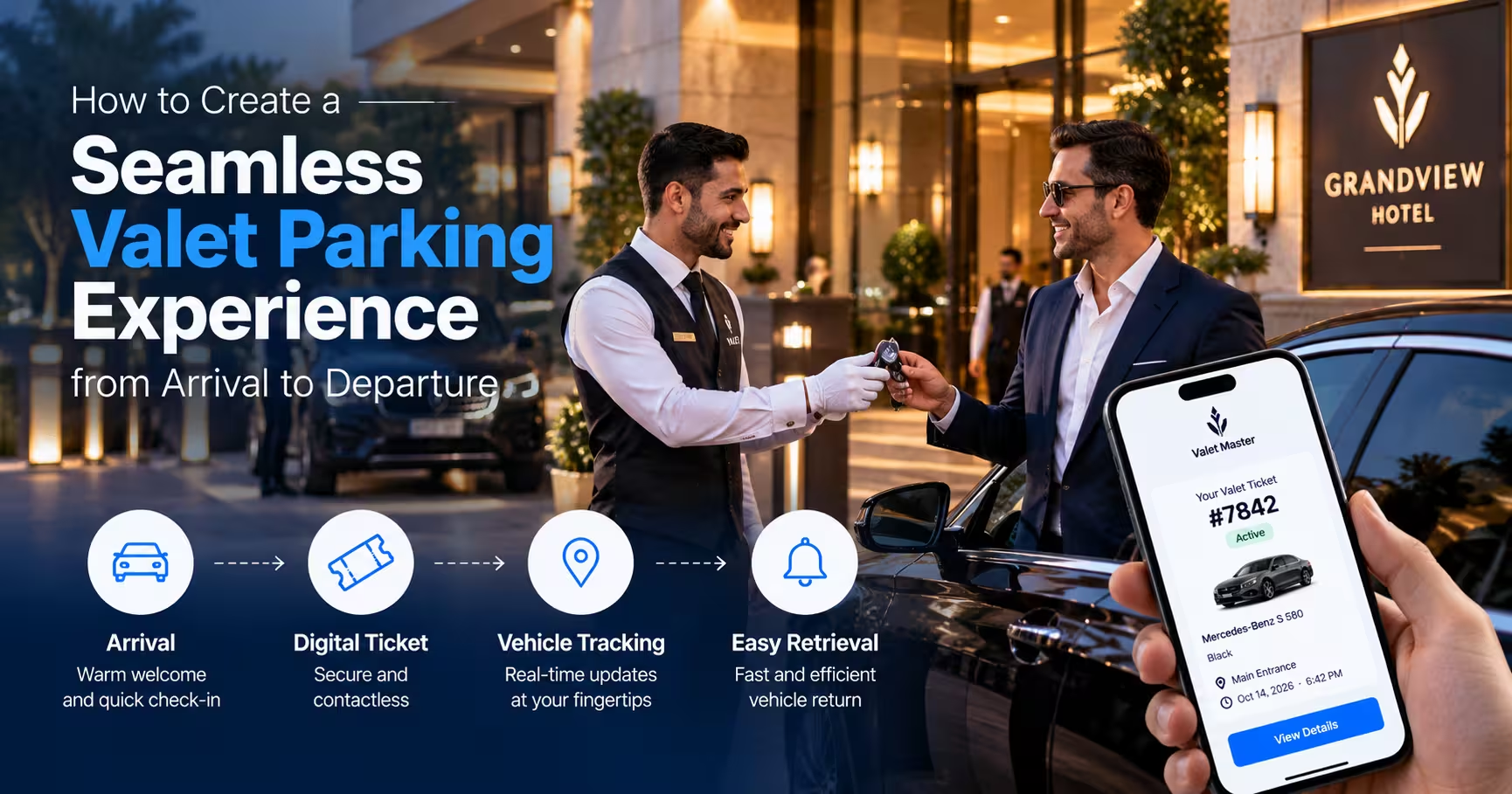
1. Replace Paper Tickets with Digital Ticketing
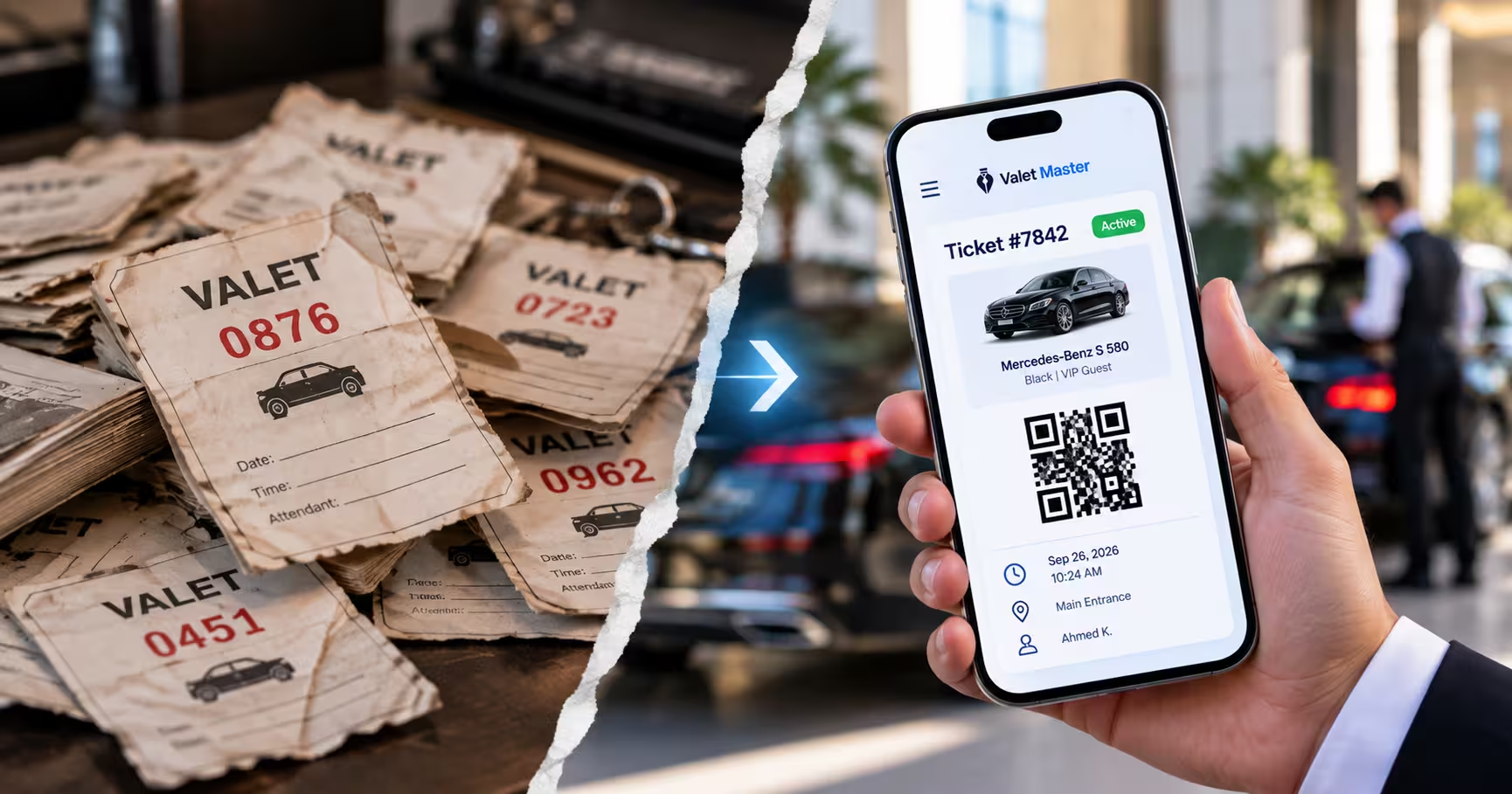
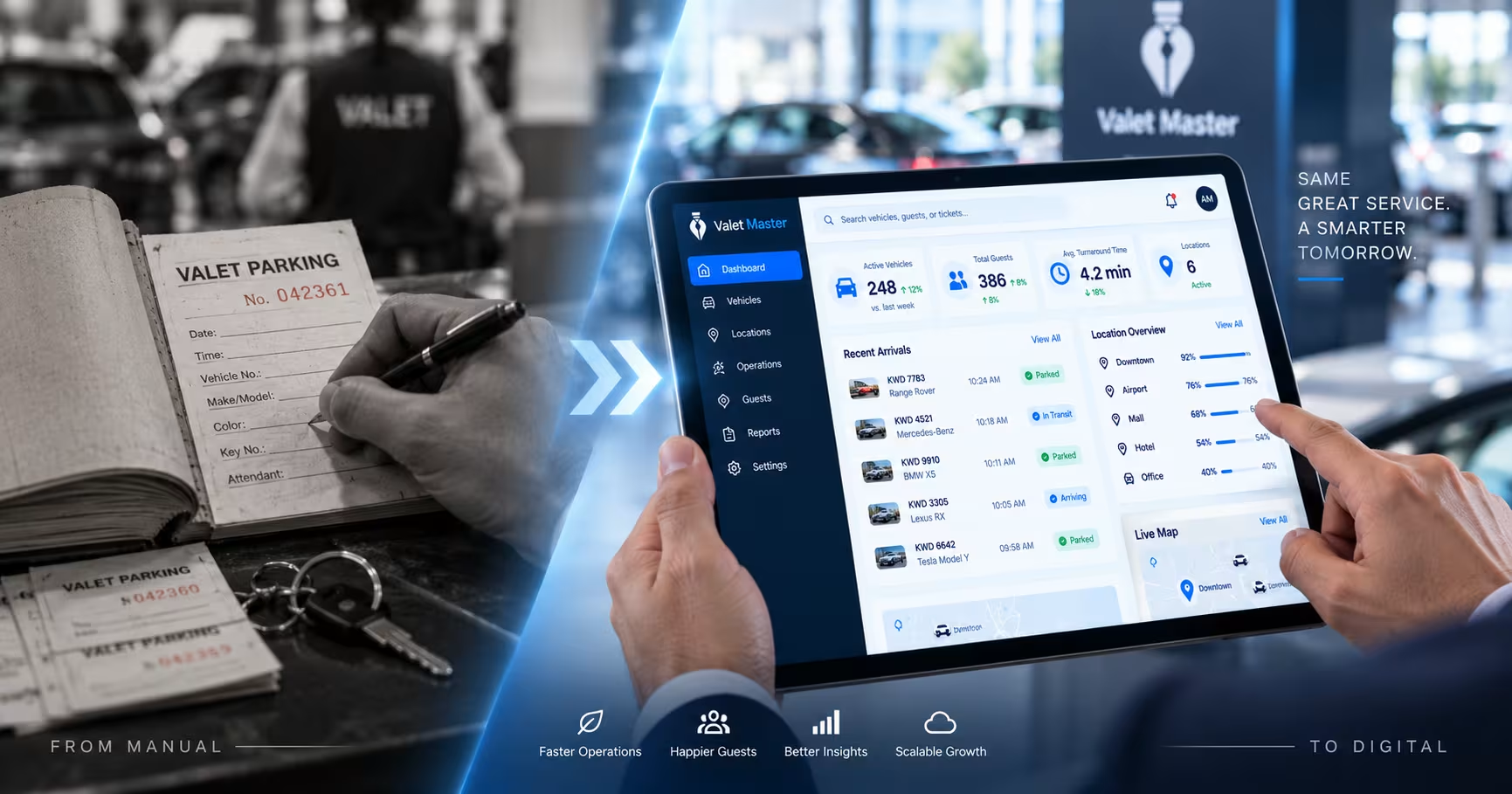
Paper tickets are one of the biggest silent drains on efficiency—they get lost, misread, and slow down both check-in and retrieval. Switching to digital ticketing with QR codes removes this bottleneck entirely and is often the single fastest way to improve valet parking efficiency.
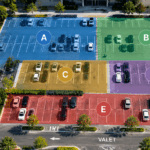
2. Organize the Lot with Structured Parking Zones
Without defined parking zones, attendants waste time deciding where to park and even more time trying to find a car later. Structured zones give every vehicle a known, trackable location from check-in onward.
3. Use Real-Time Vehicle Tracking
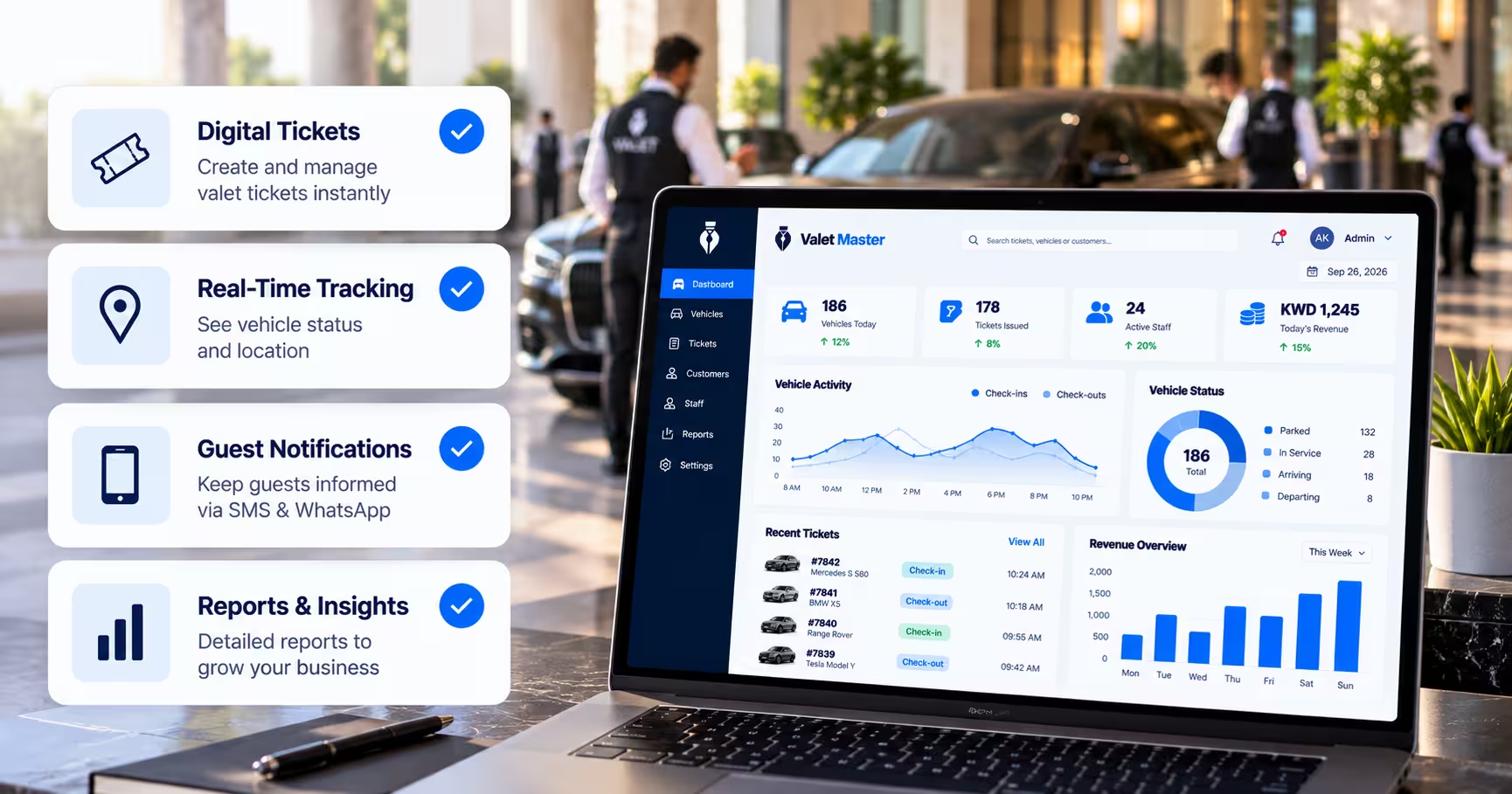
Blind searching is one of the biggest time sinks in valet operations. Real-time tracking lets attendants walk straight to a vehicle’s exact location instead of guessing, which alone can meaningfully improve valet parking efficiency during busy periods.
4. Equip Staff with a Mobile App
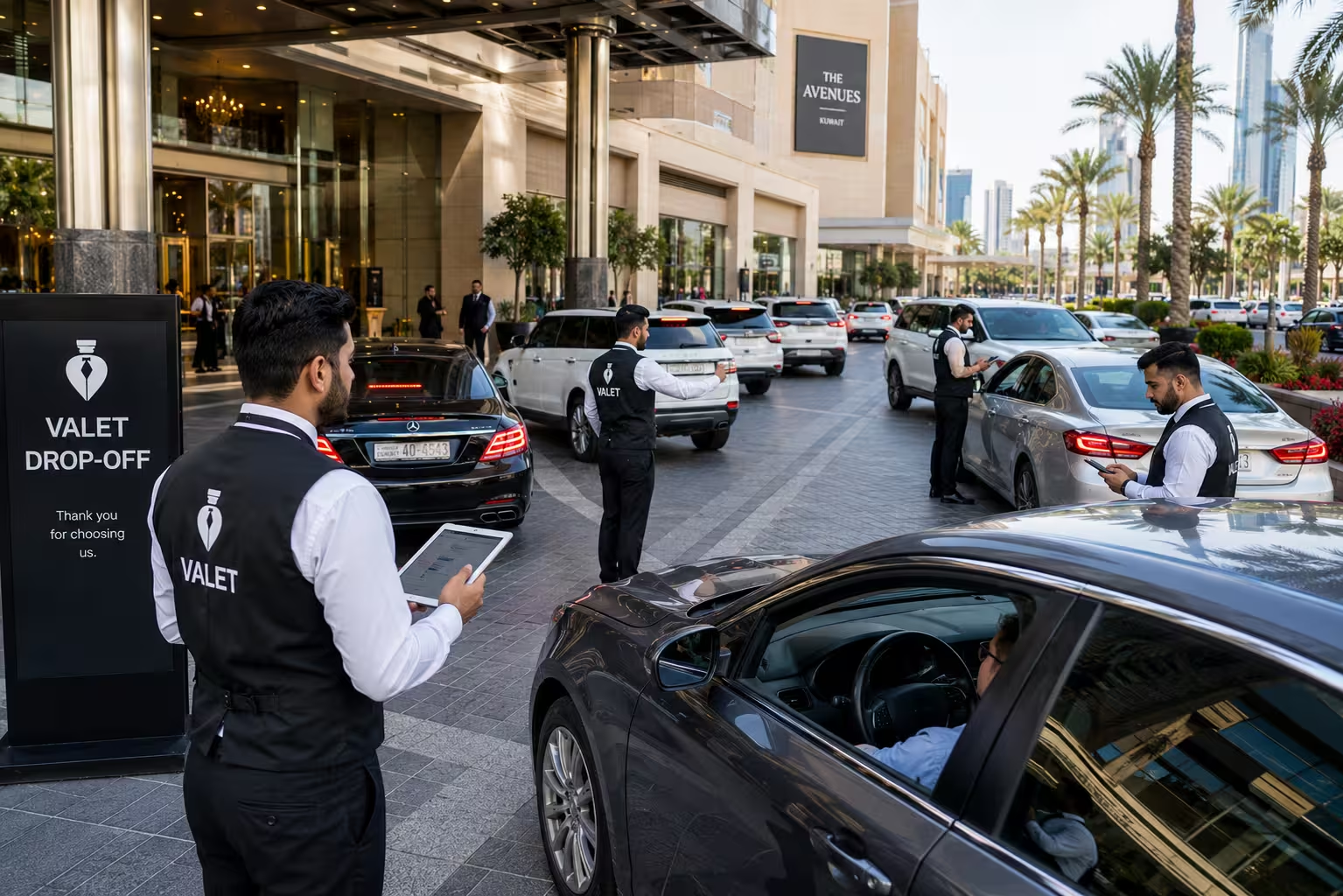
A mobile valet app puts check-in, ticketing, and retrieval status directly in an attendant’s hand, removing the need to walk back to a podium for every action. This alone can cut down significant wasted motion across a shift.
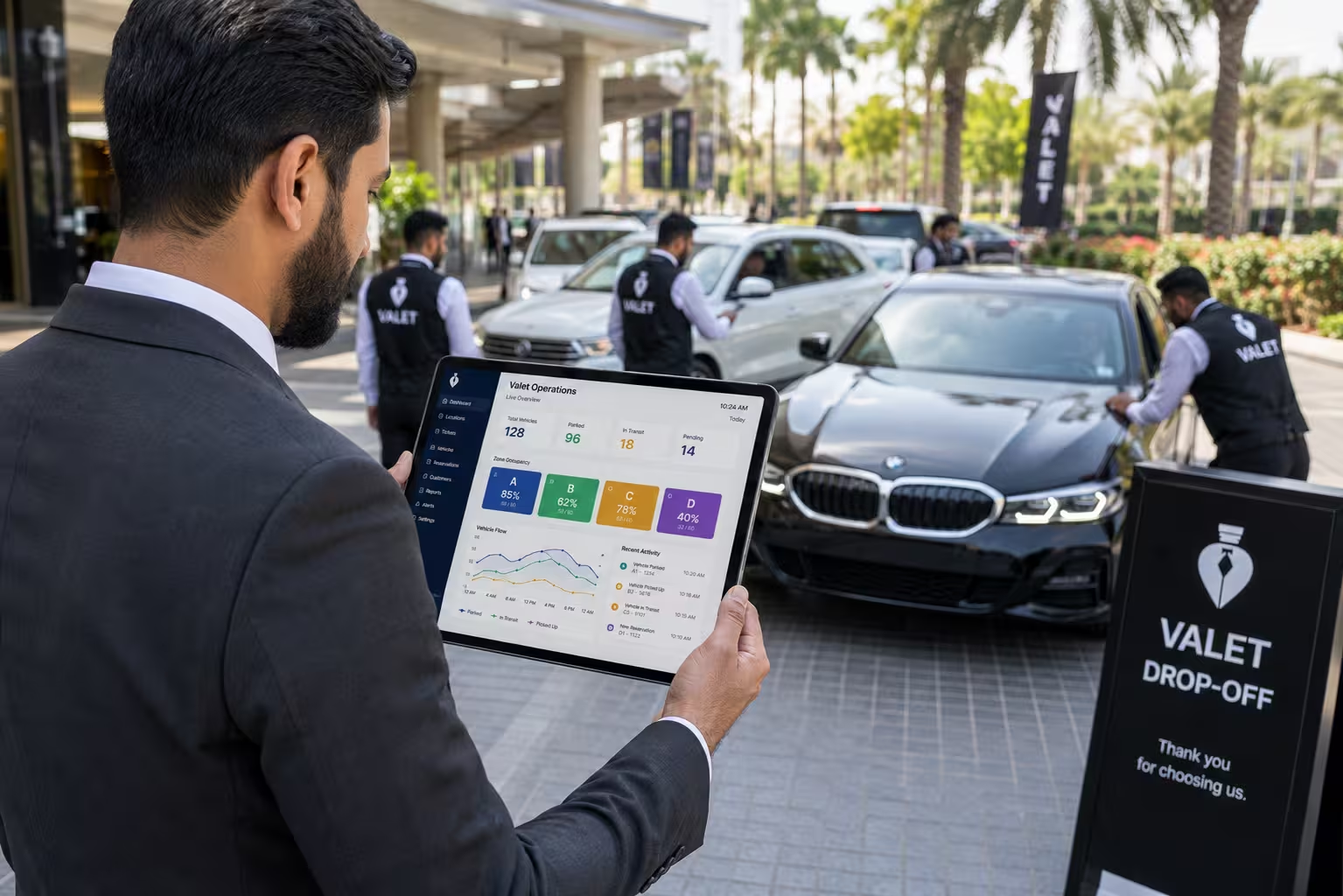
5. Monitor Live Operations to Catch Bottlenecks Early
Efficiency problems are easiest to fix before they compound. Live operations monitoring lets managers spot a slowdown forming in real time and redirect staff before it becomes a visible line or delay.
6. Use Data to Identify Where Time Is Actually Being Lost
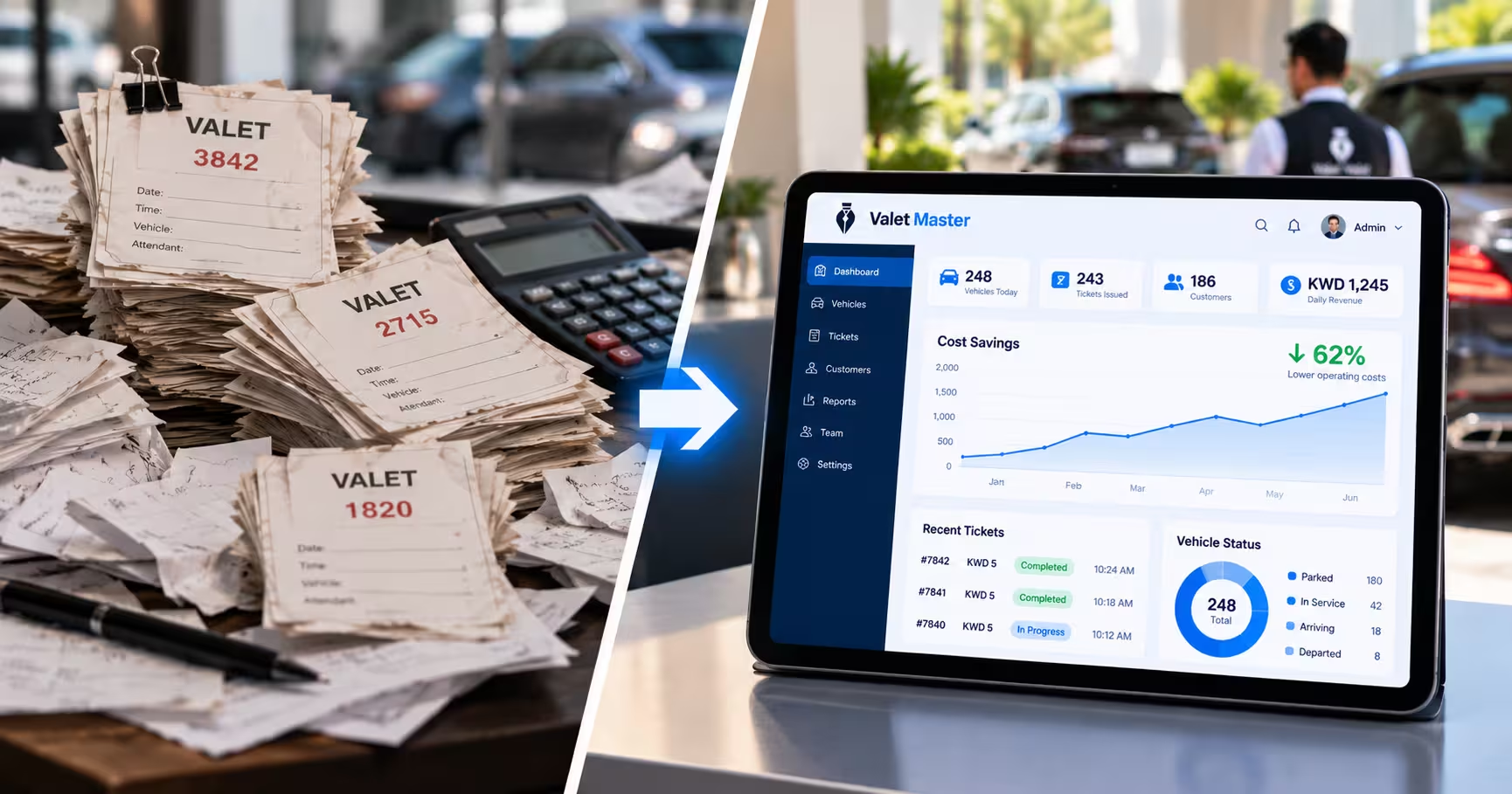
Guesswork isn’t a strategy. Reports and analytics on retrieval times, peak hours, and staff performance show exactly where inefficiency is happening, so improvements can be targeted instead of general.
7. Standardize Operations Across All Locations
For businesses running valet at more than one site, inconsistent processes between locations create inefficiency that’s hard to diagnose. Multi-branch management keeps every property running the same optimized process instead of each site figuring things out independently.
Findings from the British Parking Association consistently point to structured processes and real-time data as the most effective ways to reduce delays and improve throughput in parking operations of all kinds, including valet.
Why These Changes Compound
None of these 7 changes work in complete isolation—digital ticketing feeds into better tracking, tracking feeds into faster retrieval, and all of it feeds into the reporting that shows management where to focus next. Businesses that improve valet parking efficiency the most tend to be the ones that address several of these areas together rather than picking just one.
See how these improvements apply to your specific type of business on the solutions page.
Final Thoughts
Improving valet parking efficiency doesn’t require reinventing the entire operation—it usually comes down to removing the specific friction points that slow attendants down: paper tickets, disorganized zones, blind searching, and a lack of real-time data. Fixing those seven areas consistently leads to faster check-ins, quicker retrievals, and a noticeably smoother experience for both staff and guests.
Want to see how these efficiency improvements work in practice? Request a free demo of Valet Master and explore the dashboard, digital ticketing, and live tracking features firsthand.