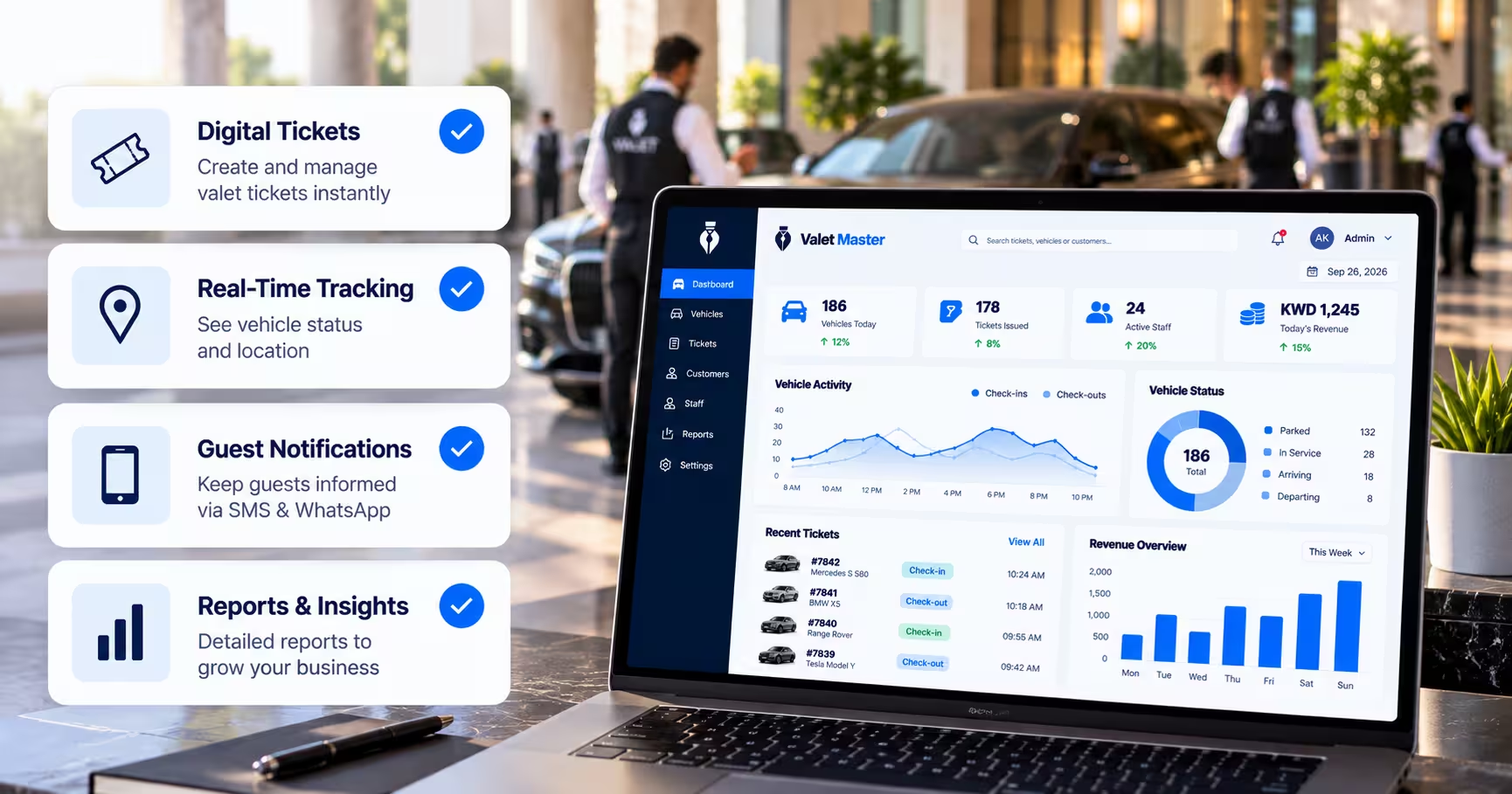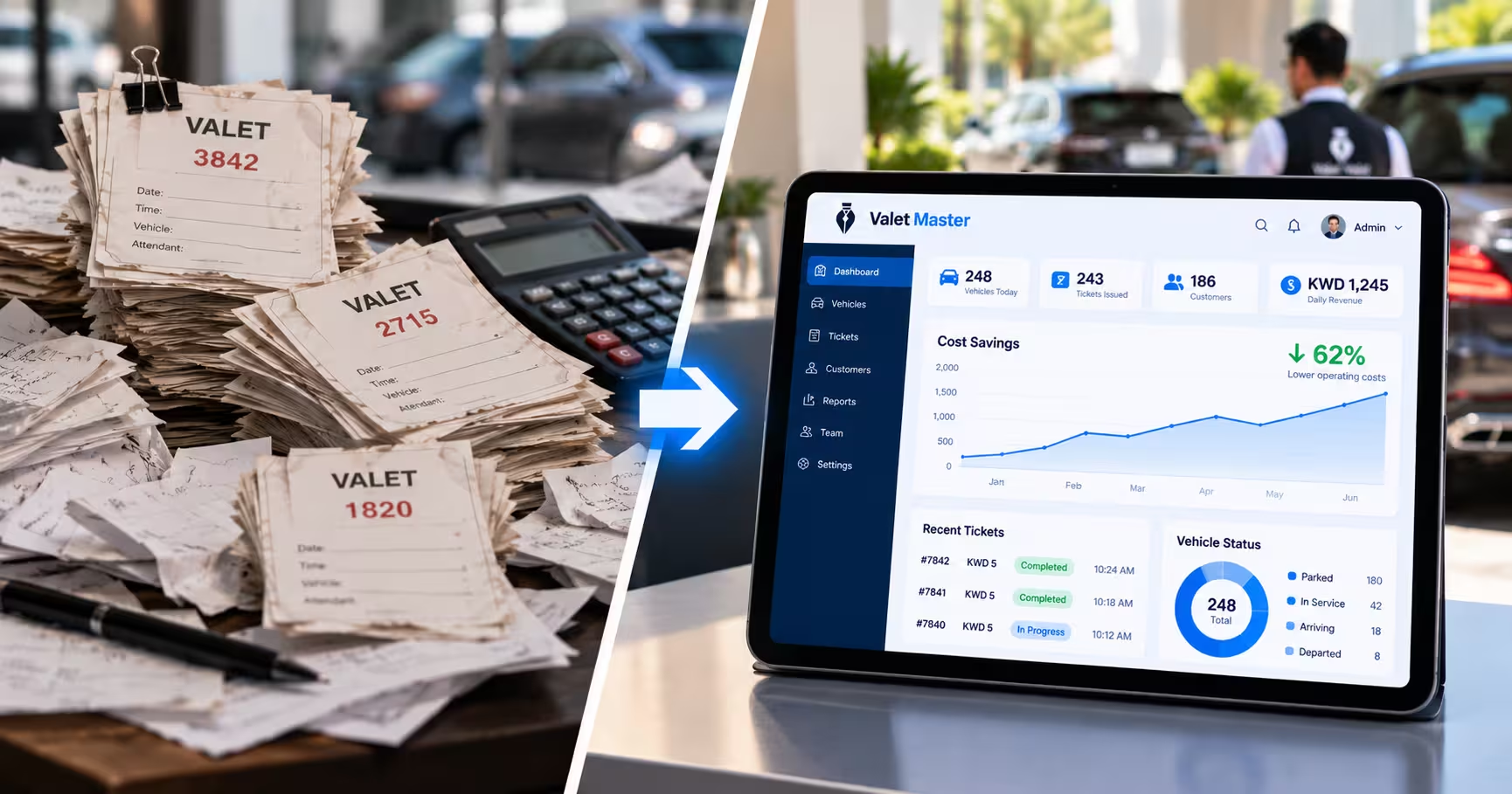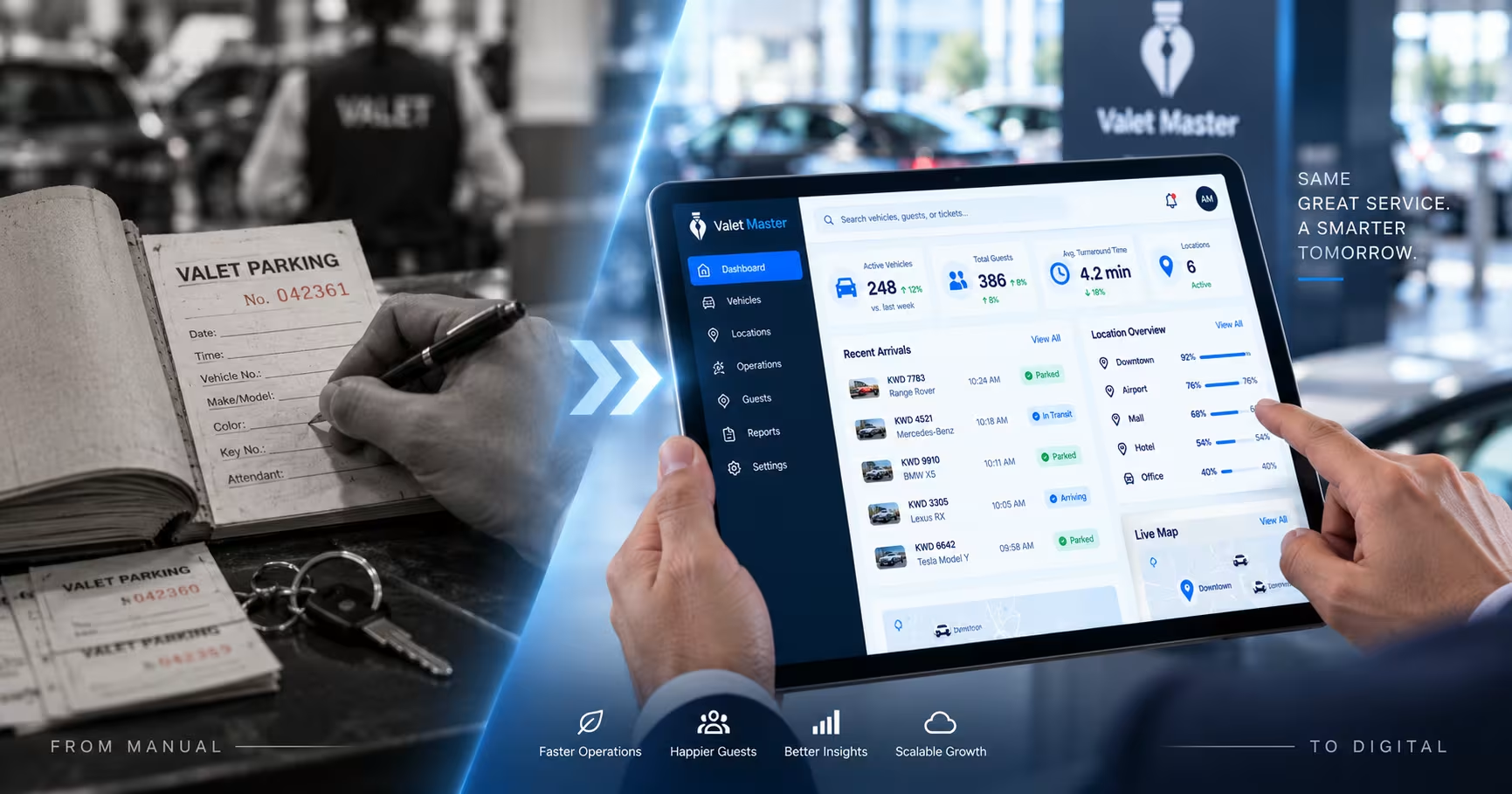
Data analytics is what separates valet operations that improve over time from ones that just keep repeating the same problems shift after shift. Without data, a manager can sense that retrieval feels slow on weekends or that one shift seems to struggle more than others, but they can’t actually prove it, measure it, or fix it with any precision. Data analytics turns those vague impressions into specific, actionable numbers that valet teams can use to genuinely improve.
Here’s how data analytics improves valet services in practice, from staffing decisions to guest experience.
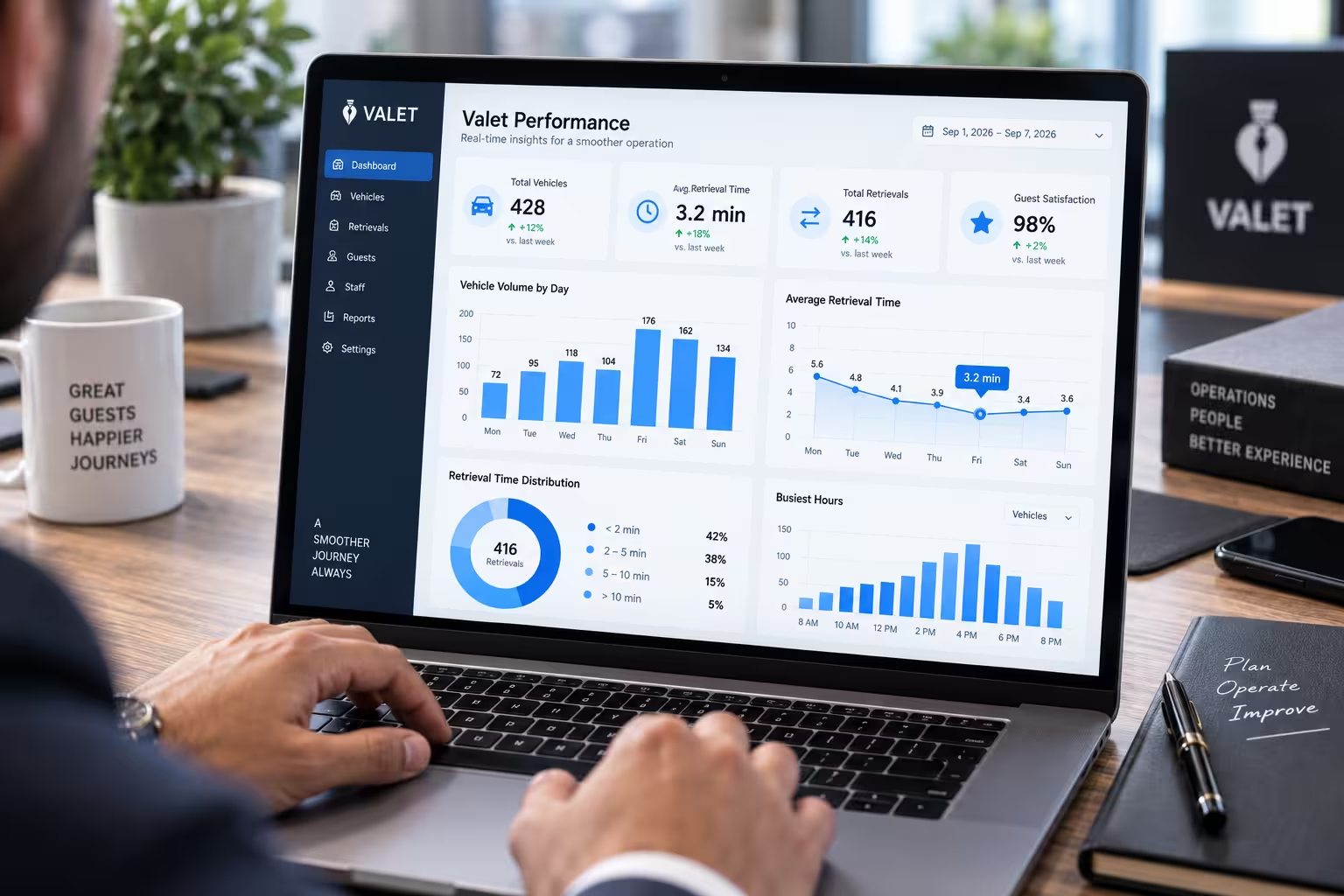
Why Valet Operations Need Data Analytics
Valet has traditionally been one of the least measured parts of hospitality and property operations—a paper ticket book doesn’t generate reports. Data analytics changes that by capturing every check-in, retrieval, and staff action as a data point, giving management the same level of operational insight they already expect from other parts of the business.
Tracking Retrieval Times with Data Analytics
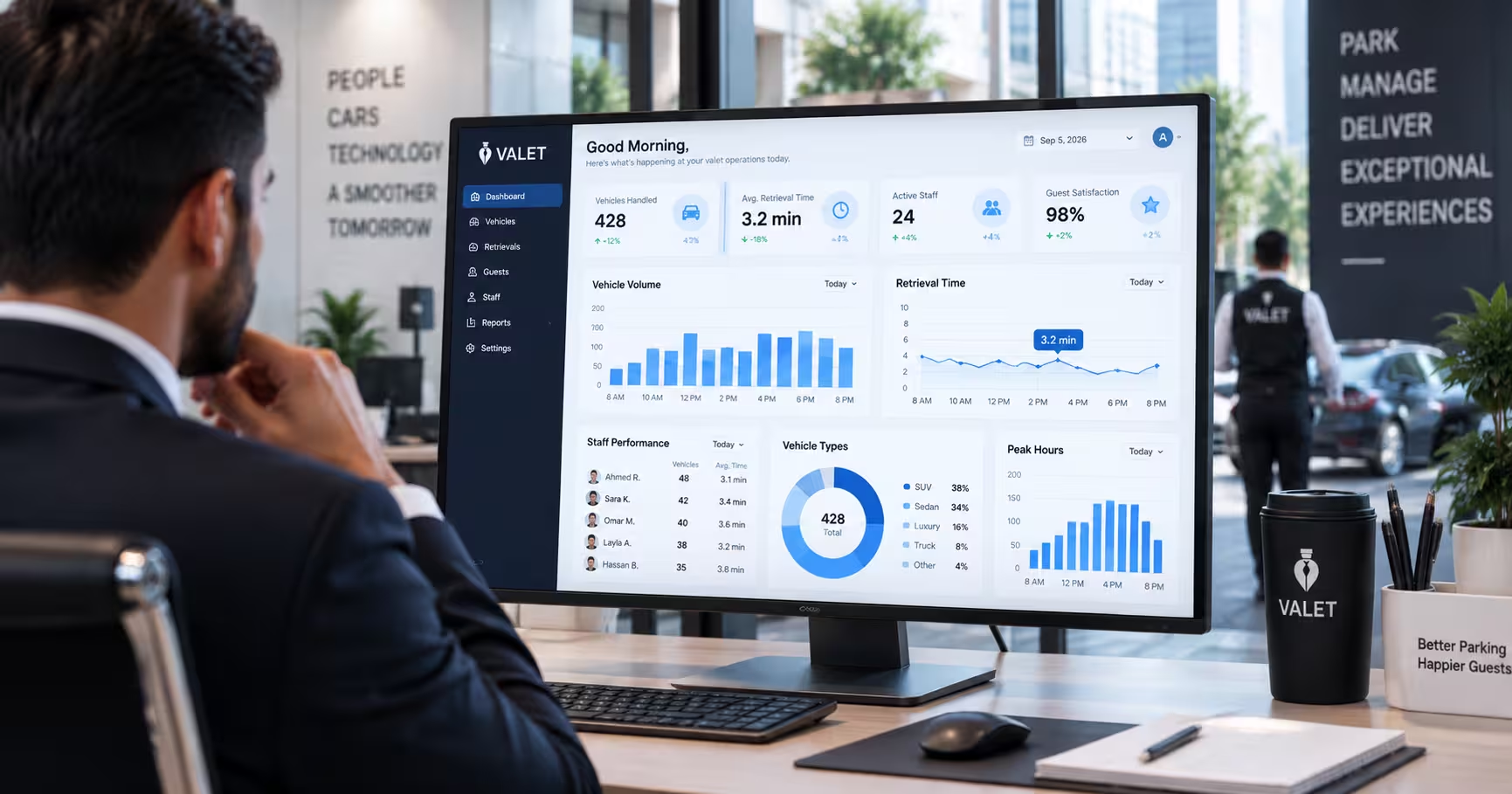
One of the clearest uses of data analytics is measuring average retrieval time—overall, by shift, by attendant, and by time of day. Rather than guessing which shifts run slower, reports and analytics show exactly where retrieval times spike and why.
Identifying Peak Hours Before They Cause Problems
Data analytics on historical volume patterns lets managers predict when a rush is likely to hit, based on real past data rather than instinct. This supports better staffing decisions ahead of live operations, rather than reacting once a bottleneck is already forming.
Measuring Individual Staff Performance Fairly
Without data, evaluating attendant performance often comes down to subjective impressions. Data analytics gives an objective, measurable view of individual check-in speed, retrieval time, and accuracy, making performance conversations and training decisions more fair and specific.
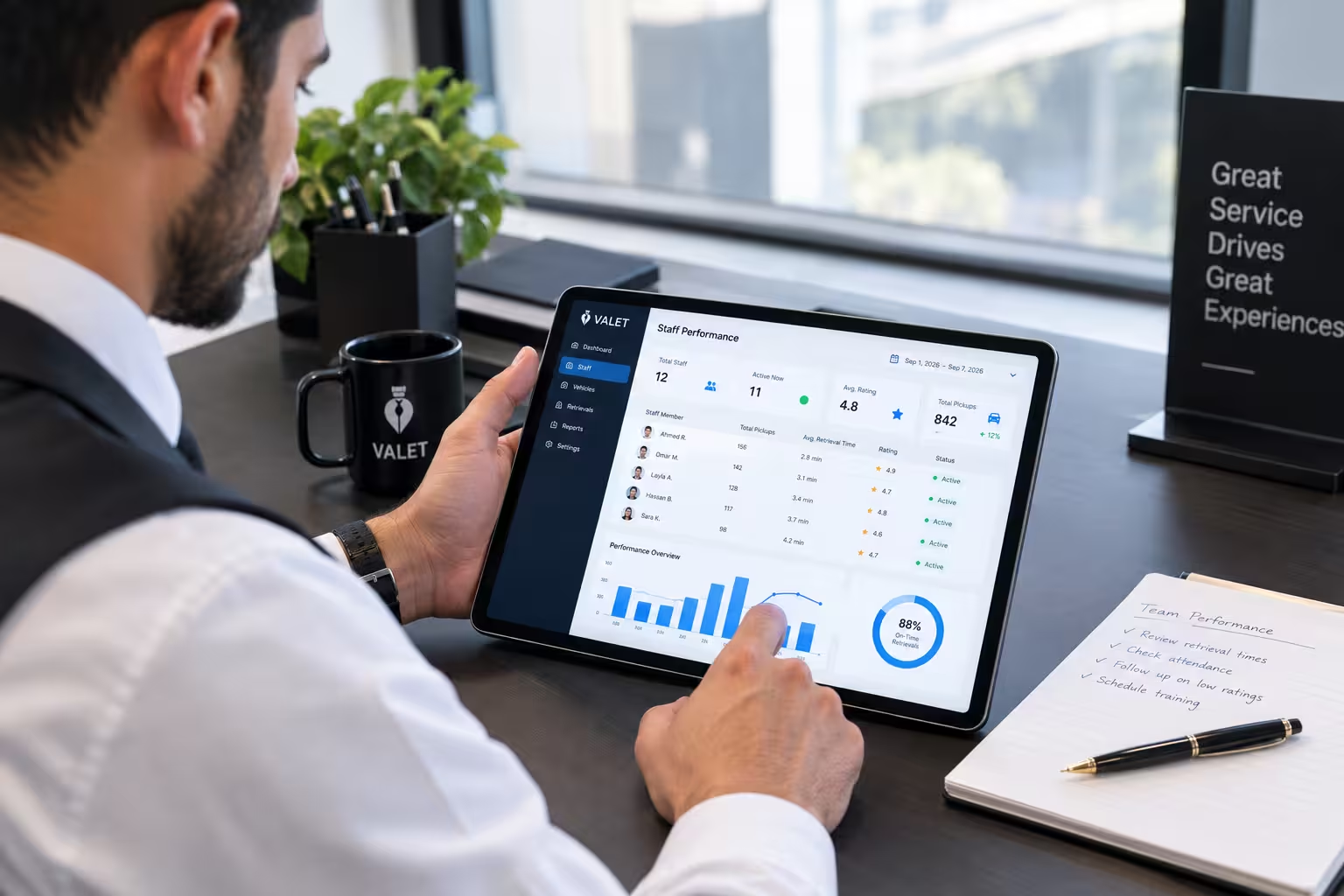
Improving Zone Layout with Usage Data
Data analytics on parking zone usage shows which zones fill up fastest and which sit underused, giving management the information to adjust zone layout or signage rather than leaving lot organization to guesswork.
Comparing Performance Across Multiple Locations
For businesses running valet at more than one site, data analytics makes it possible to directly compare performance across properties through multi-branch management, identifying which locations are excelling and which need operational attention.
Research summarized by McKinsey & Company consistently shows that businesses using operational data to guide staffing and process decisions outperform those relying primarily on manager intuition, a principle that applies directly to service operations like valet.
Using Data Analytics to Justify Staffing and Investment Decisions
Concrete data makes it far easier to justify decisions to ownership or upper management—whether that’s adding staff during a specific shift, extending valet hours, or investing in additional vehicle management tools. Numbers carry more weight than a manager’s general sense that “things feel busy.”
Spotting Recurring Issues Before They Become Complaints
Data analytics can reveal patterns that wouldn’t otherwise be obvious—a specific shift with consistently longer retrieval times or a particular zone that regularly causes delays. Catching these patterns in the data means they can be addressed before they show up repeatedly in guest complaints.
Final Thoughts
Data analytics turns valet from a service run on instinct into one run on evidence. Instead of guessing where inefficiencies exist, managers can see exactly where retrieval times spike, which shifts underperform, and which zones need attention—and make targeted improvements instead of general ones. For any valet operation serious about consistently getting better, data analytics is the foundation that makes it possible.
Want to see valet analytics in action? Request a free demo of Valet Master and explore the dashboard, digital ticketing, and live tracking features firsthand.