
Learning how to reduce vehicle retrieval time is one of the highest-leverage improvements any valet operation can make. Guests judge valet service almost entirely by two moments: how fast their car was checked in, and how fast it comes back. Of the two, retrieval time tends to leave the strongest impression, since it’s the last thing a guest experiences before forming their final opinion of the visit.
Here’s a practical breakdown of how to reduce vehicle retrieval time, step by step.

Why Vehicle Retrieval Time Matters So Much
Retrieval happens at the end of a visit, often when guests are already tired, in a hurry, or managing kids, luggage, or shopping bags. A slow retrieval doesn’t just cost a few extra minutes—it’s frequently the detail guests remember and mention afterward, which is exactly why learning how to reduce vehicle retrieval time has such an outsized impact on guest satisfaction.
1. Replace Manual Searching with Real-Time Tracking
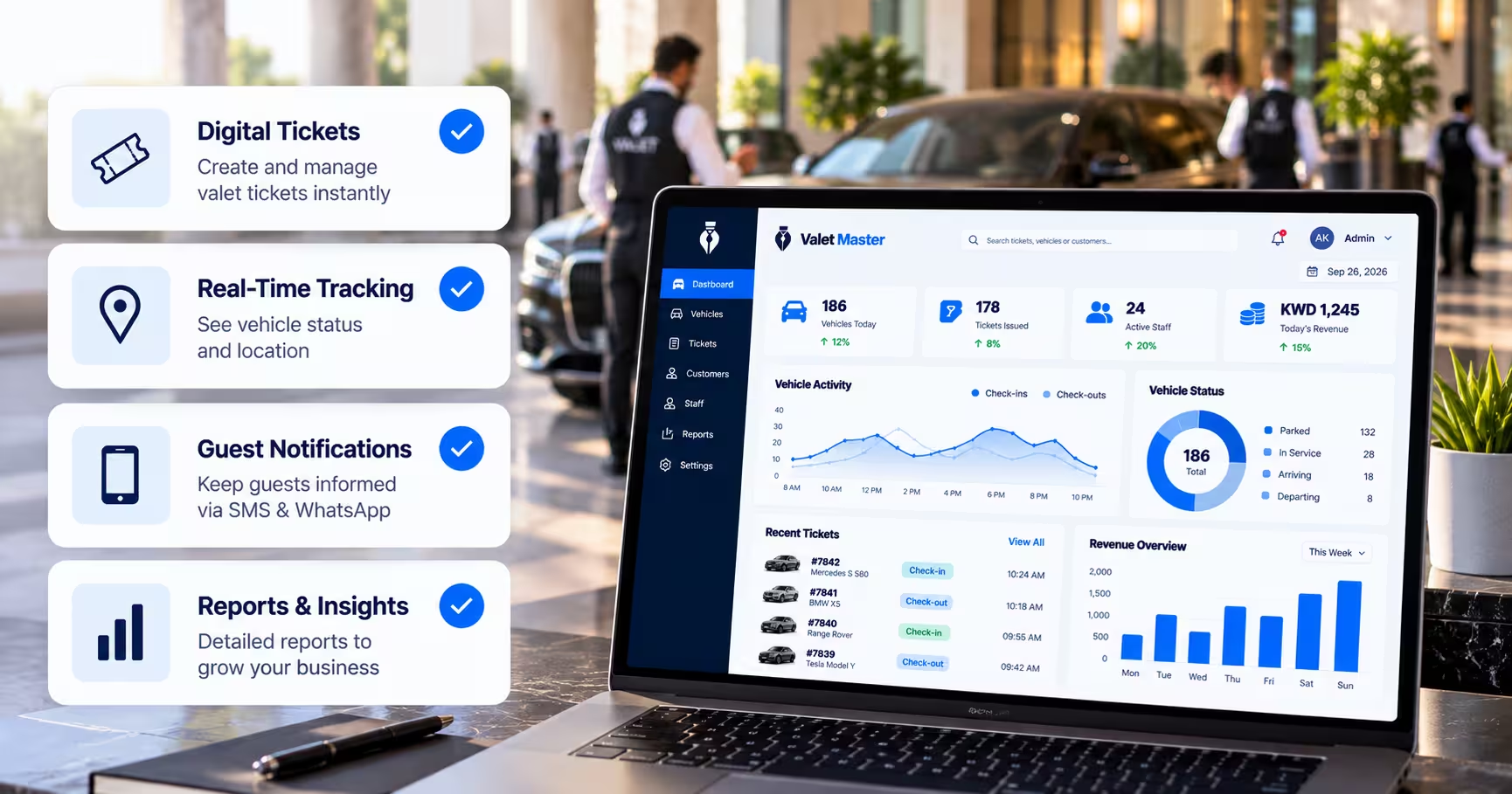
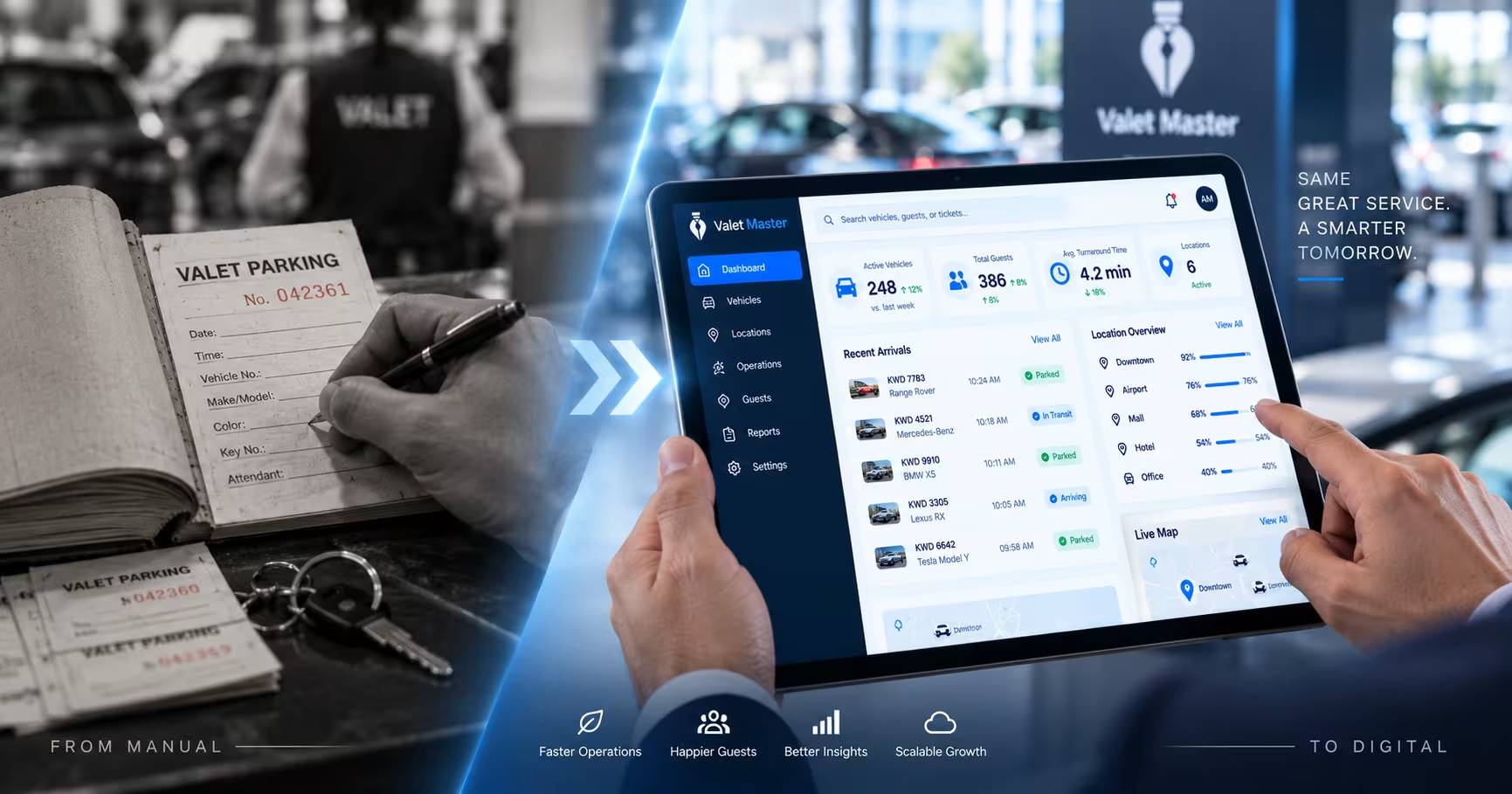
The single biggest cause of slow retrieval is attendants not knowing exactly where a car is parked. Real-time parking zone tracking removes this problem entirely, letting attendants walk directly to the correct spot instead of searching row by row.
2. Use Digital Tickets for Instant Verification
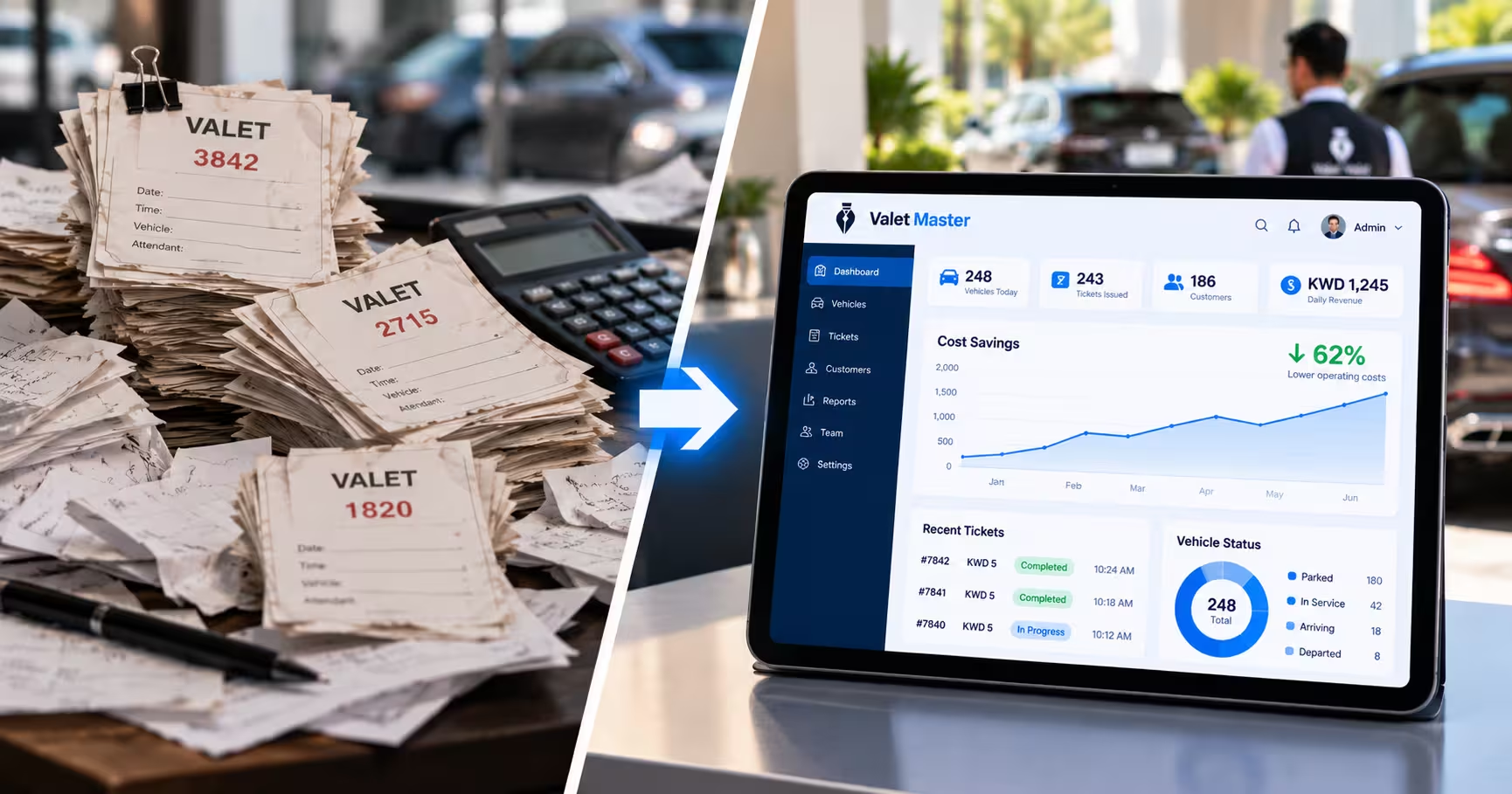
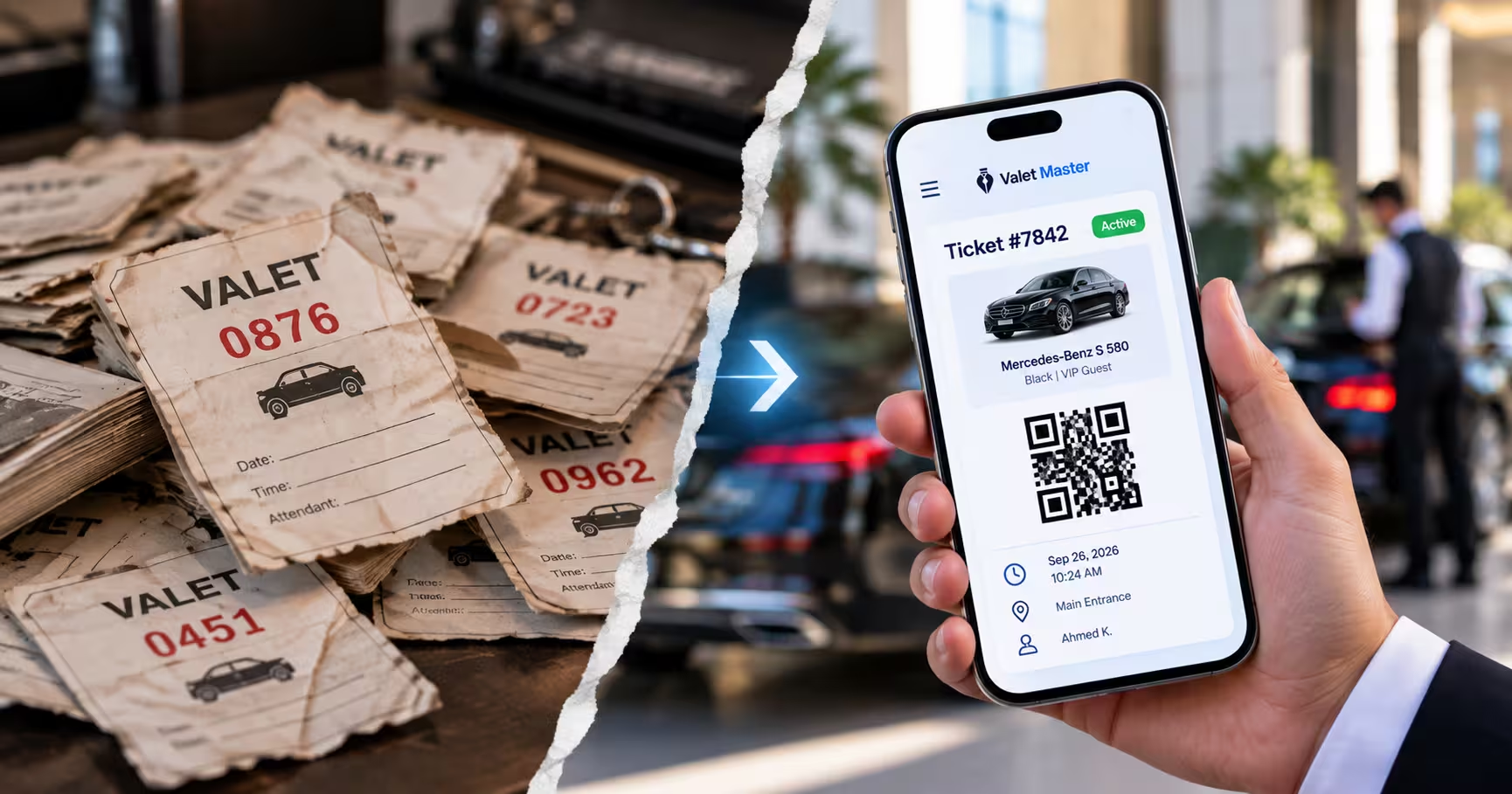
Paper tickets slow down retrieval when attendants have to decipher handwriting or cross-check a paper log. Digital ticketing with QR codes pulls up a vehicle’s record instantly, cutting the verification step down to seconds.
3. Equip Attendants with a Mobile App
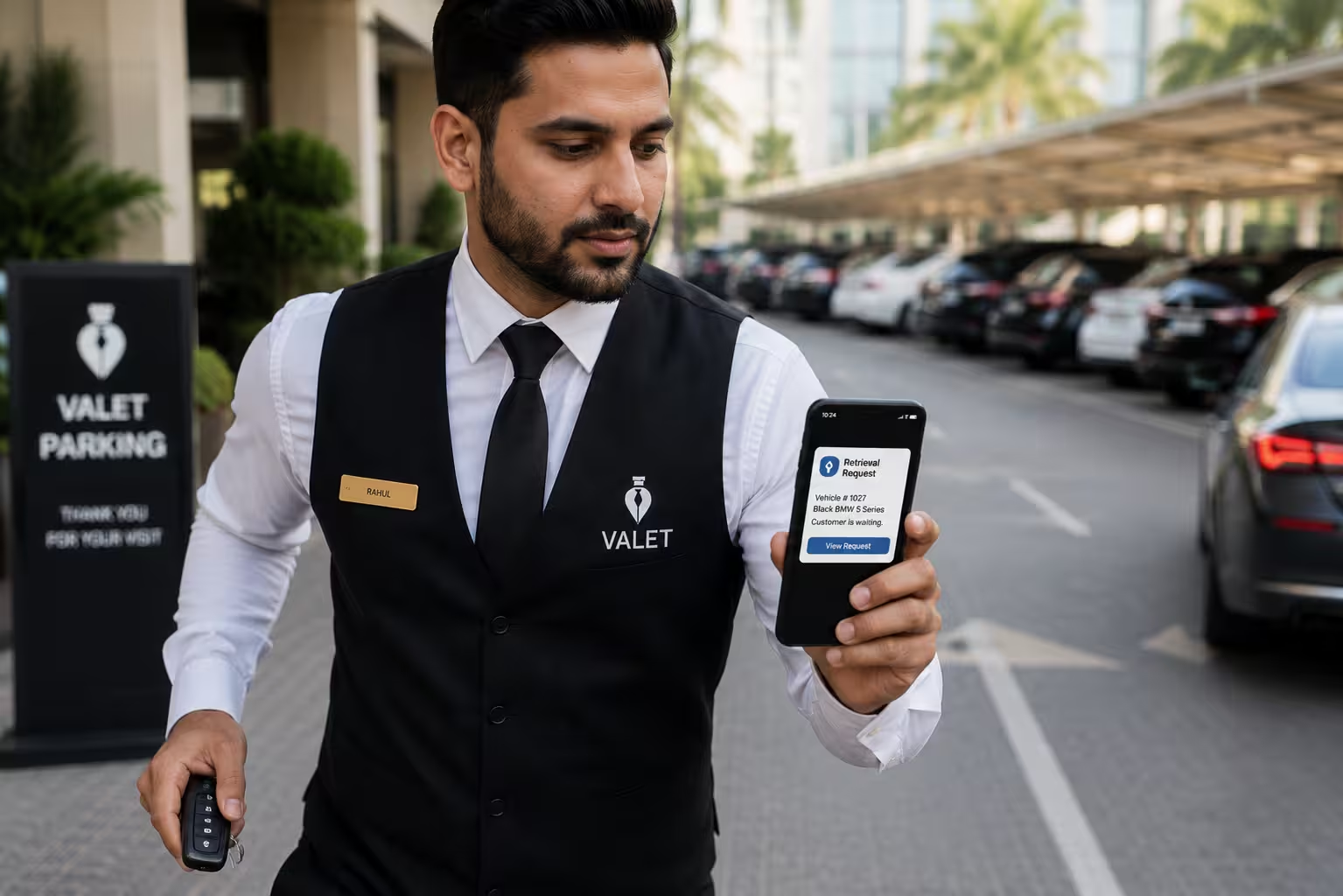
When retrieval requests come through a mobile app directly to an attendant’s phone, there’s no delay waiting for a radio call or a walk back to a podium. This is one of the most effective ways to reduce vehicle retrieval time during busy shifts.
4. Organize the Lot with Clear Parking Zones
Retrieval time depends heavily on how well a lot is organized in the first place. Structured, clearly defined zones prevent the kind of scattered parking that makes even tracked vehicles harder to reach quickly.
5. Monitor Live Operations During Peak Hours
Retrieval times tend to climb specifically during rush periods. Live operations monitoring lets managers see when volume is spiking and shift staff toward retrieval before wait times become noticeable.
6. Send Automated Notifications the Moment a Car Is Ready
Part of perceived retrieval time is communication, not just speed. Automated notifications that confirm a request was received — and again when the car is ready—make the actual wait feel shorter, even before the vehicle physically arrives.
7. Use Data to Identify Where Delays Are Happening
Not every delay has the same cause. Reports and analytics on retrieval times by shift, attendant, and time of day show exactly where the slowdowns are occurring, so fixes can be targeted rather than guessed at.
Research summarized by the International Parking & Mobility Institute consistently identifies vehicle location visibility and streamlined check-out processes as the two factors with the biggest measurable impact on reducing retrieval and pickup times across parking operations.
How Much Difference Does This Actually Make?
The combined effect of these changes tends to compound—tracking reduces search time, mobile apps remove communication delays, and organized zones prevent confusion in the first place. Businesses that implement several of these changes together typically see the most noticeable drop in average retrieval time, rather than businesses that make just one isolated fix.
Final Thoughts
Learning how to reduce vehicle retrieval time comes down to removing the specific bottlenecks that slow attendants down—blind searching, paper verification, poor communication, and lack of visibility during busy periods. Fixing these consistently leads to faster pickups, fewer frustrated guests, and a valet experience that ends on a noticeably better note.
Want to see how these improvements work in practice? Request a free demo of Valet Master and explore the dashboard, digital ticketing, and live tracking features firsthand.