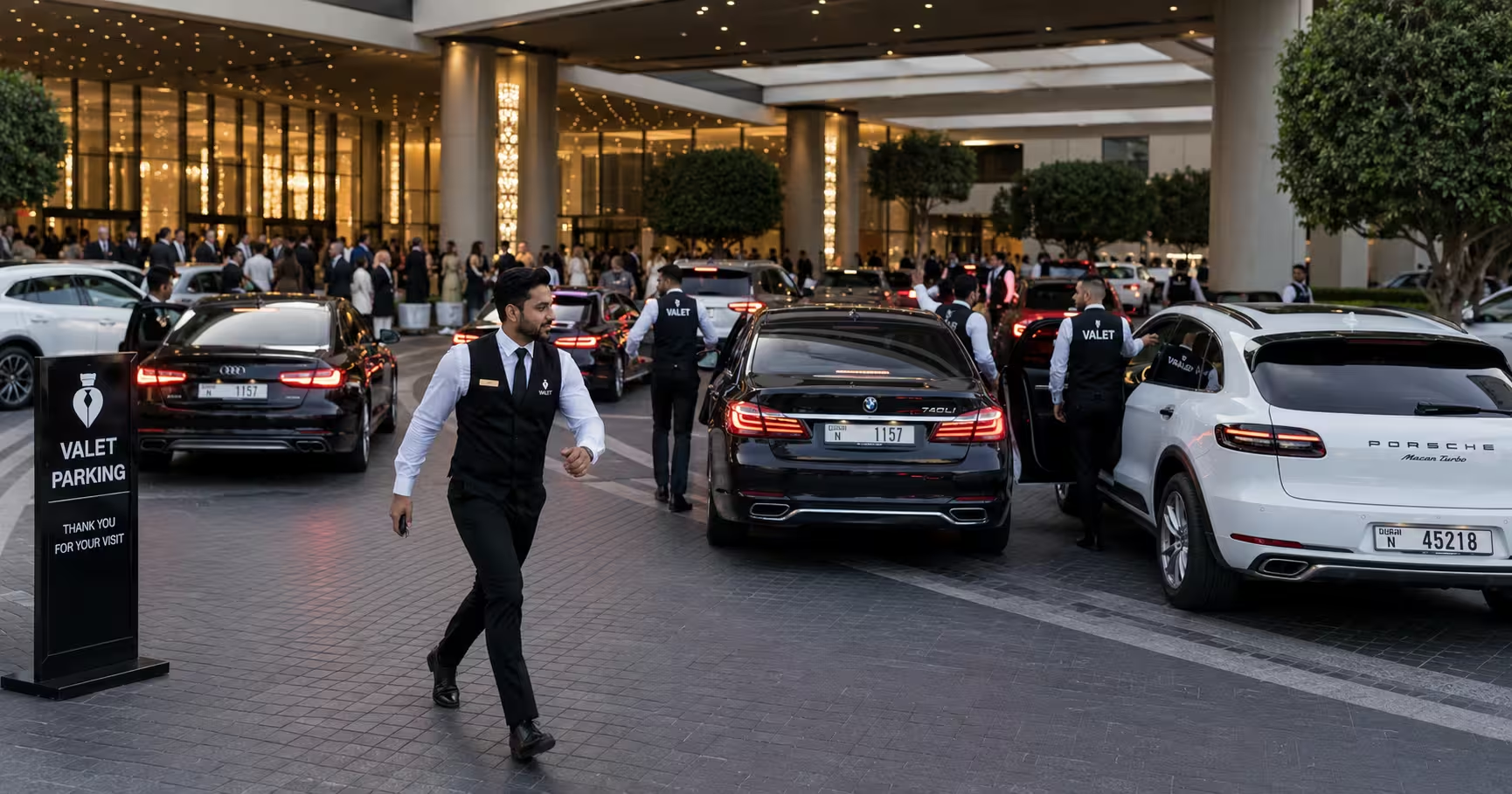
Managing high-volume valet operations pushes every weakness in a valet system to the surface. A process that works fine on a quiet Tuesday afternoon can completely fall apart during a packed Saturday night, a major event, or a holiday rush. Businesses that consistently run smooth high-volume valet operations aren’t lucky — they’ve built specific processes and tools designed to hold up under pressure, not just under normal conditions.
Here are the best practices that make the biggest difference when vehicle volume spikes.
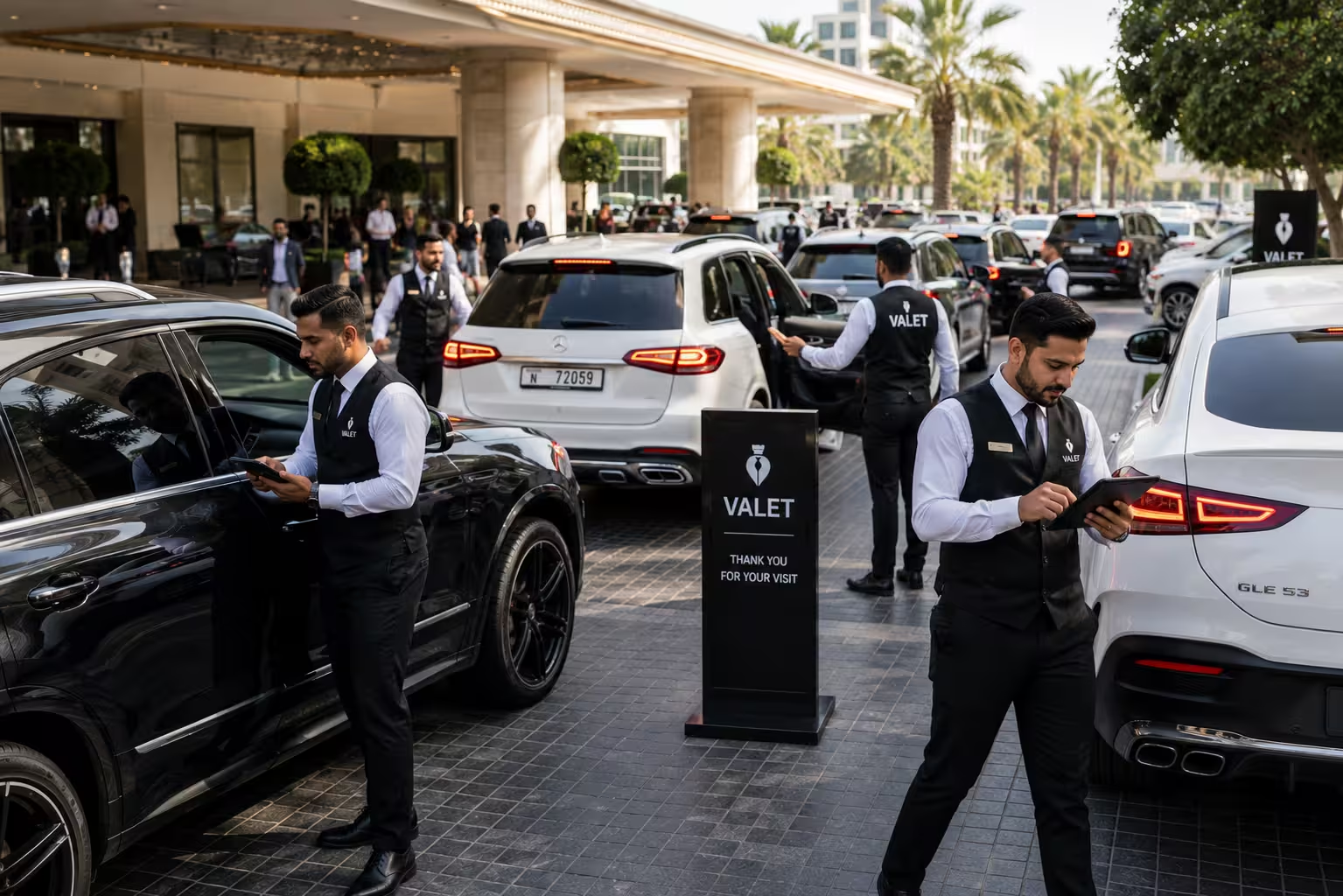
Why High-Volume Valet Operations Break Manual Systems
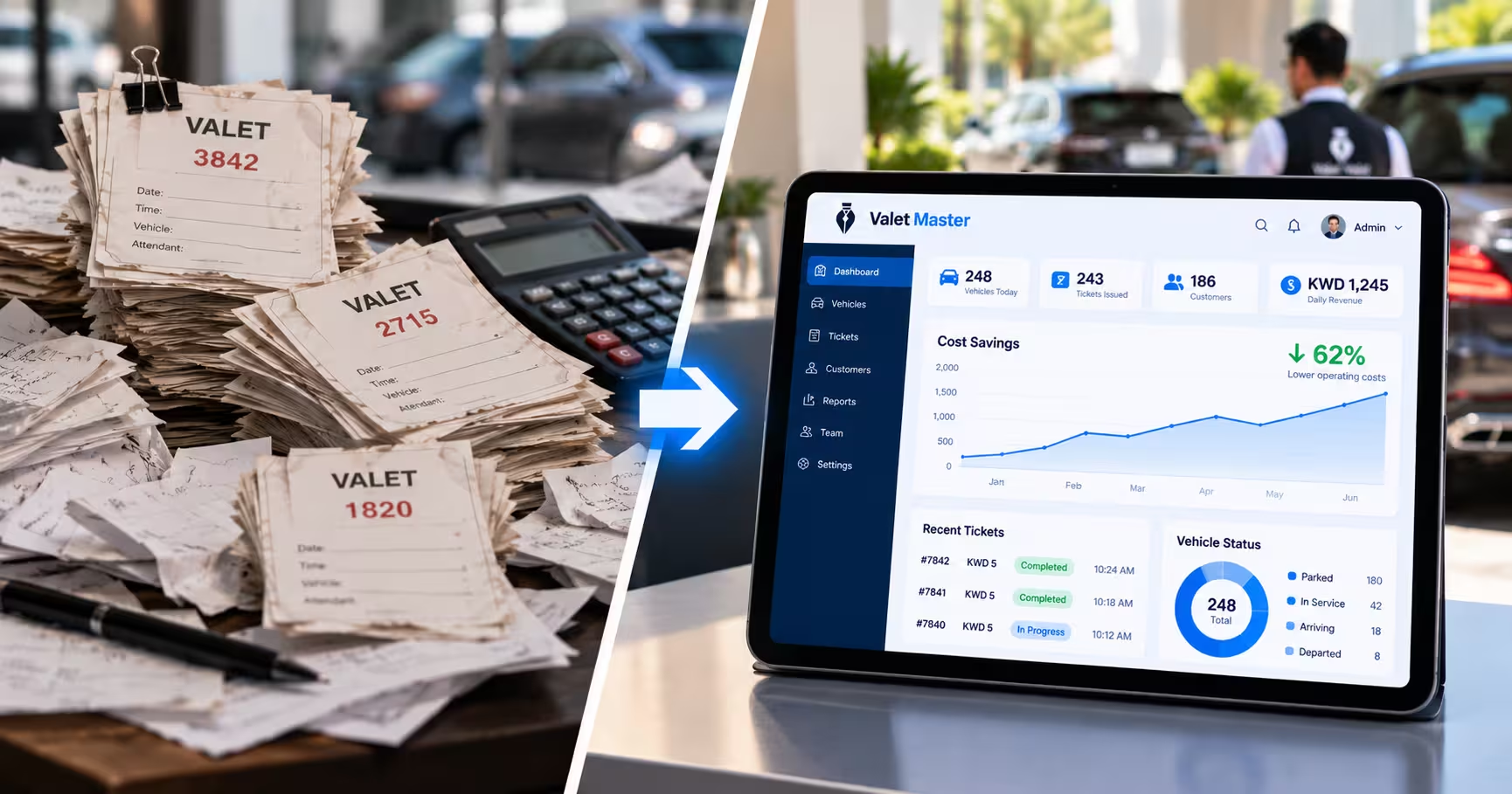
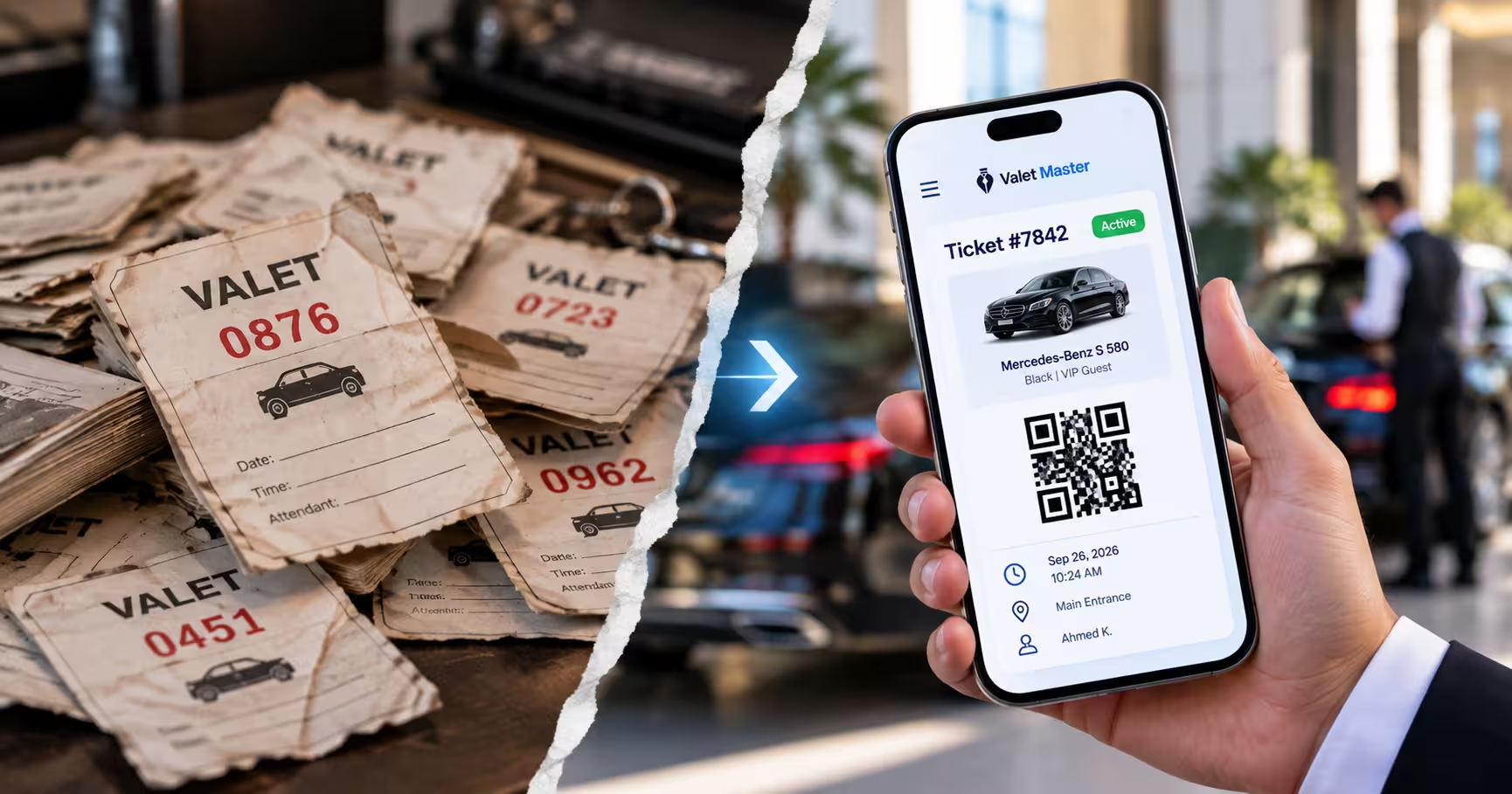
Paper tickets, radio coordination, and manual vehicle searches might hold up when volume is low, but high-volume valet operations expose their limits fast. Tickets get mixed up, attendants lose track of where cars are parked, and communication breaks down exactly when it’s needed most — during the busiest, highest-stakes moments of the shift.
Best Practice 1: Digitize Check-In Before Volume Peaks
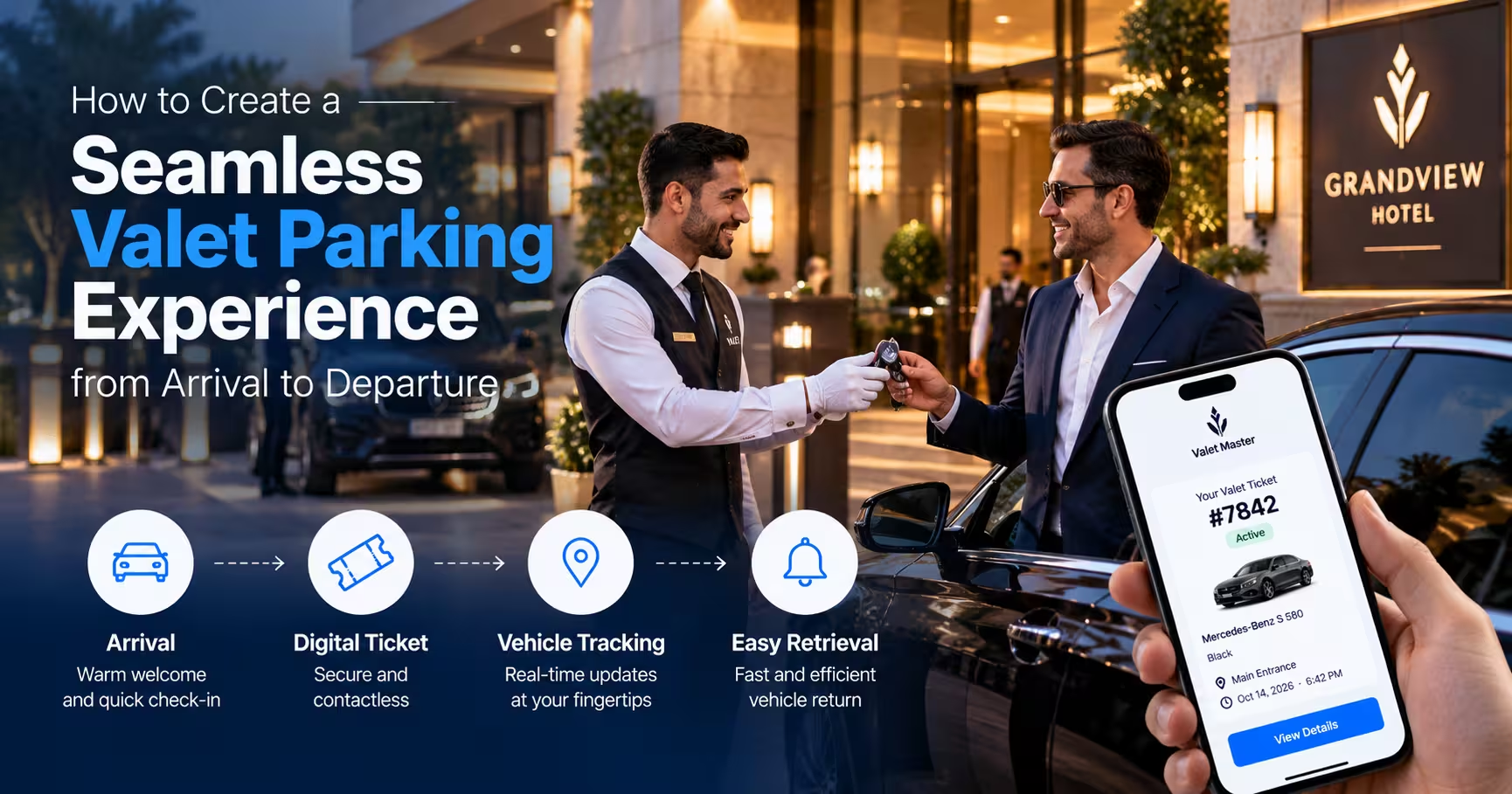
Fast, digital check-in through digital ticketing prevents a backlog from forming at the entrance in the first place. High-volume valet operations depend on keeping the front-of-house moving, since a slow check-in line is often the first visible sign of trouble to guests.
Best Practice 2: Use Real-Time Vehicle Tracking
Manual searching is simply not sustainable once volume climbs. Real-time parking zone tracking lets attendants retrieve vehicles quickly and predictably, even when dozens of cars are parked across a lot at once.
Best Practice 3: Equip the Full Team with Mobile Devices
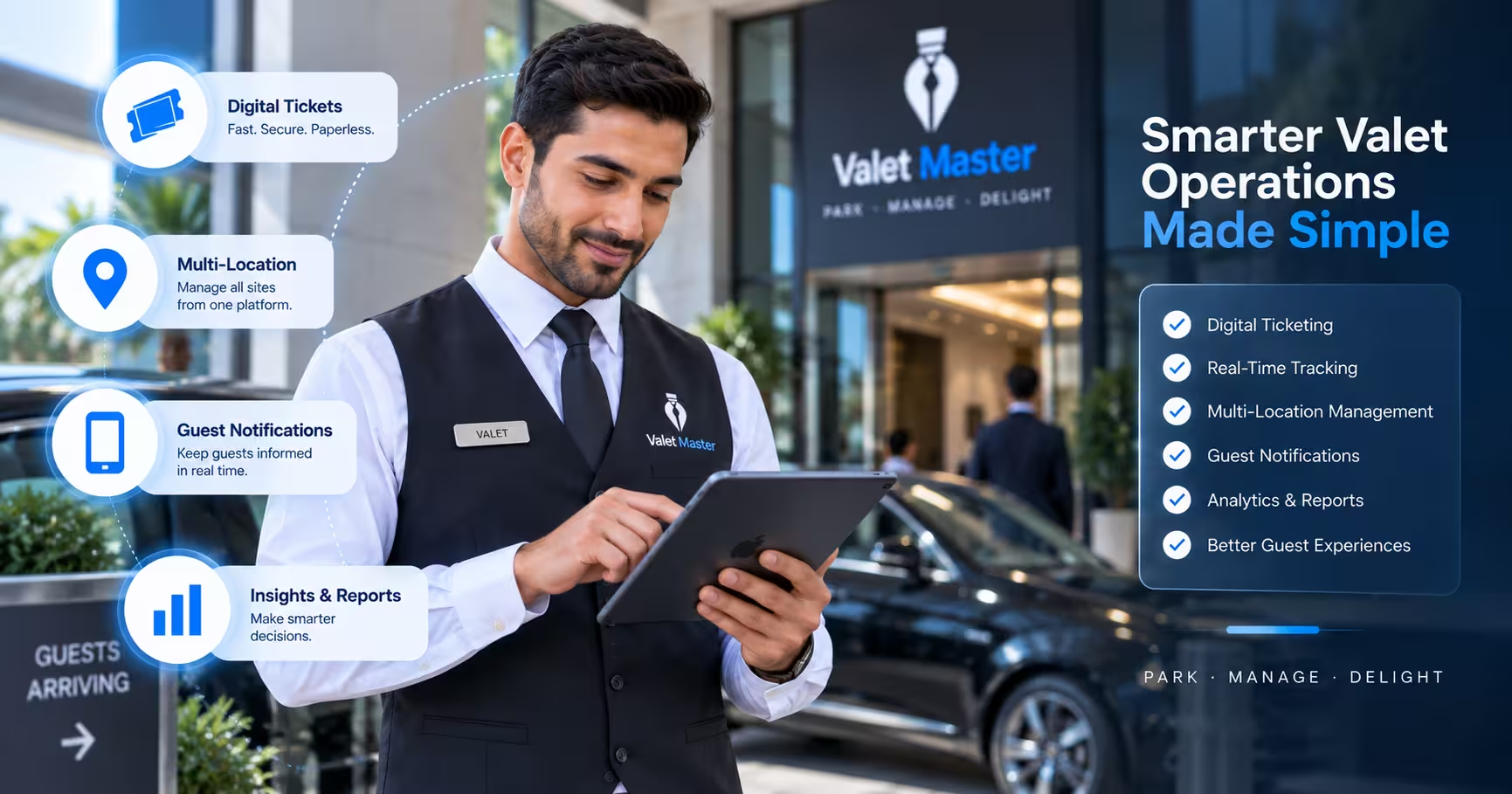
Coordination is critical in high-volume valet operations, and a shared mobile app keeps every attendant working from the same live information, avoiding the confusion that comes from relying on radios or verbal handoffs during a rush.
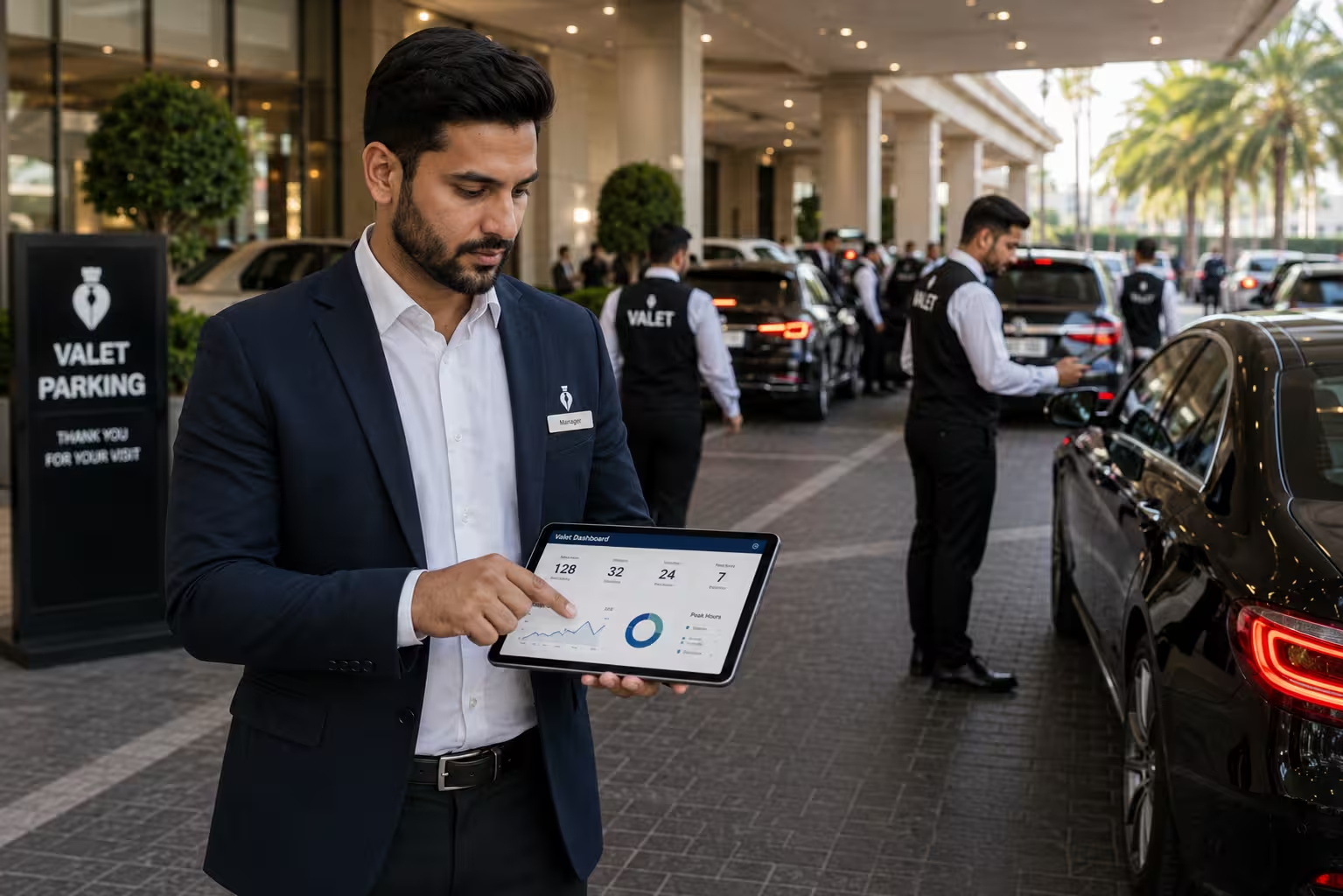
Best Practice 4: Monitor Live Operations Continuously During Peaks
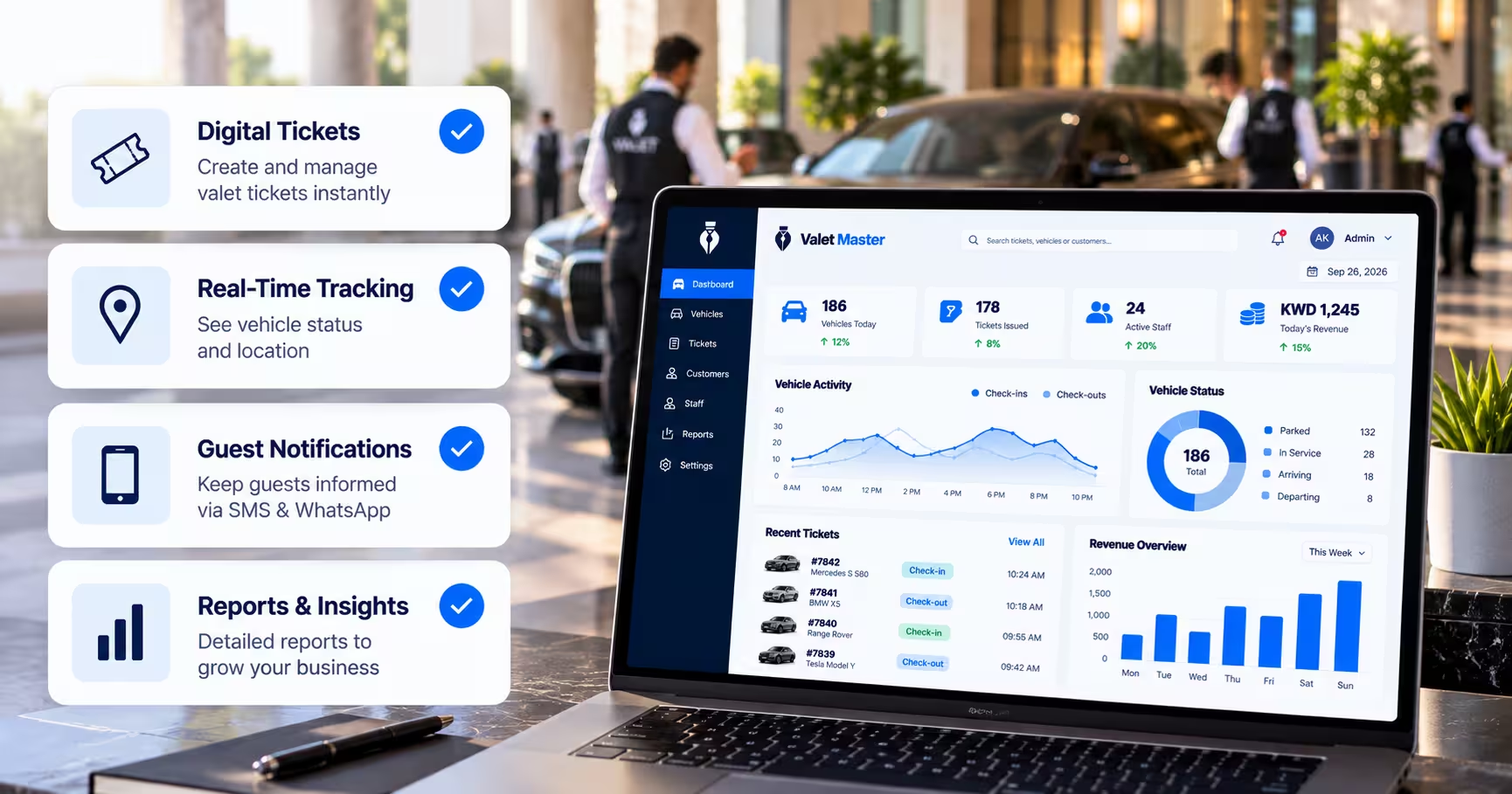
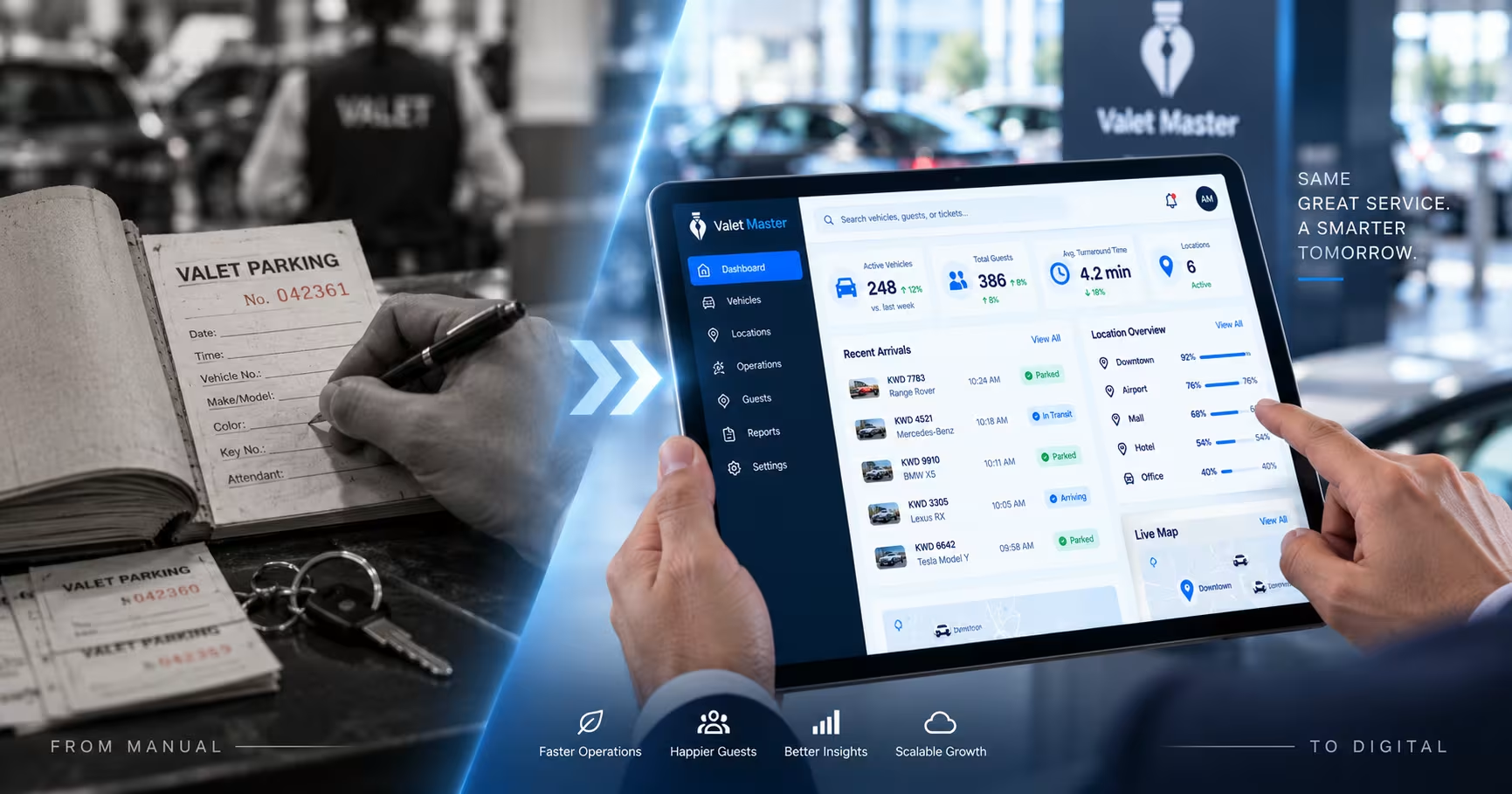
Managers need real-time visibility, not a summary after the fact. Live operations monitoring lets managers watch volume build in real time and reallocate staff before a bottleneck turns into a visible line of frustrated guests.
Best Practice 5: Pre-Plan Staffing Based on Historical Data
High-volume valet operations are rarely a surprise—most businesses know their busiest nights, seasons, or event dates well in advance. Reports and analytics on past volume patterns make it possible to staff appropriately ahead of time instead of reacting once a rush is already underway.
Best Practice 6: Keep Vehicle Records Accurate Under Pressure
High volume increases the chance of vehicle mix-ups or disputes. Digital vehicle management, with condition notes and photos logged at check-in, keeps records accurate even when attendants are moving quickly through dozens of vehicles.
Best Practice 7: Standardize Processes Across Every Shift and Location
Inconsistent processes between shifts or properties make high-volume periods harder to manage predictably. Multi-branch management ensures every location and shift follows the same standardized, tested process rather than improvising differently each time.
The International Parking & Mobility Institute notes that operations with standardized digital processes consistently handle peak-volume periods more predictably than those relying on manual or ad hoc methods, a pattern that applies directly to high-volume valet.
Best Practice 8: Communicate Proactively with Waiting Guests
Even with the fastest system, some wait is unavoidable during extreme peaks. Automated notifications confirming a retrieval request was received and updating guests when their car is ready make that wait feel far more manageable than silence.
Who Deals With High-Volume Valet Operations Most
- Hotels during weekend check-ins and events
- Shopping malls during sales and holiday seasons
- Restaurants during dinner rushes and private events
- Hospitals during shift changes and visiting hours
- Residential towers with high daily vehicle turnover
See how the platform supports each of these environments on the solutions page.
Final Thoughts
High-volume valet operations reveal exactly where a system is strong and where it’s held together with guesswork. The businesses that handle peak periods smoothly are the ones that digitize check-in, track vehicles in real time, equip staff with mobile tools, and use data to plan ahead rather than react. Getting these fundamentals right turns even the busiest shift into something manageable instead of chaotic.
Want to see how these practices work for your busiest periods? Request a free demo of Valet Master and explore the dashboard, digital ticketing, and live tracking features firsthand.